Key Highlights
- Mass Mobilization: JAAC leader Sardar Aman Khan has called for widespread demonstrations, seeking solidarity from civilian populations across the borders, including Srinagar.
- Humanitarian Crisis: A month-long military blockade has severely choked the supply lines for food and life-saving medicines.
- Crackdown on Dissent: Over 600 political activists and leaders have been detained, including prominent figure Shaukat Nawaz Mir.
- Election Boycott: Activists have announced a complete boycott of the July 27 regional elections, citing systemic vote manipulation and invasive drone surveillance by the Pakistani military.
- Global Outcry: International watchdogs, including Amnesty International, have condemned Pakistan’s heavy-handed tactics and the unlawful banning of civil rights groups.
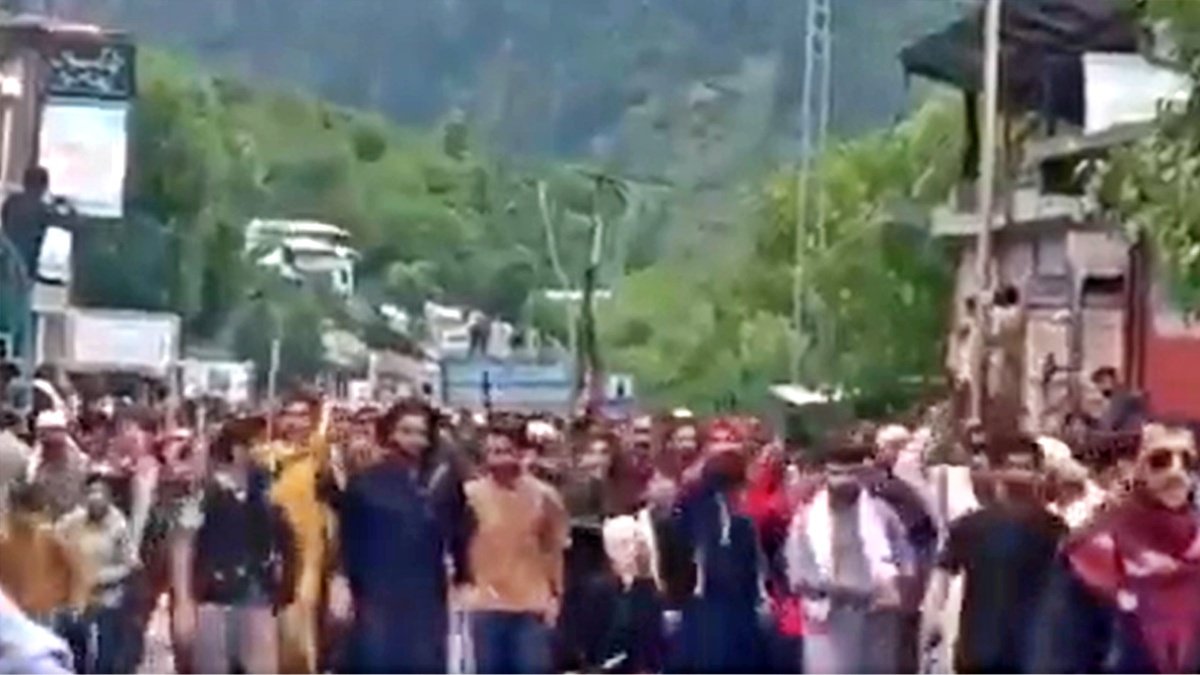
The Pakistani military has intensified its crackdown on peaceful civil demonstrations in Pakistan-occupied Kashmir (PoK), where citizens are demanding basic human rights and economic relief. In response to the escalating violence, Sardar Aman Khan, a prominent leader of the Jammu-Kashmir Joint Awami Action Committee (JAAC), released a critical video message mobilizing the public.
Khan appealed for a massive, unified protest against the administration’s oppressive policies. Notably, his message extended across the Line of Control, urging Indian citizens, particularly the people of Srinagar, to stand in solidarity with their movement.
According to local reports, the region has been under immense geopolitical pressure and severe military repression for nearly a month. Security forces have targeted ordinary citizens, who are merely demanding their basic rights, pushing local resentment to an all-time high.
“The local rulers and security forces are displaying hostility even towards the people’s act of breathing,” Khan stated, highlighting that vital supply routes for food and essential medicines have been completely blocked by authorities.
Political Suppression and Border Closures
The administrative chokehold intensified around June 30, when the JAAC strongly condemned the Pakistani authorities for forcibly blocking a political delegation of opposition leaders from entering PoK. Local leaders described the move as a blatant suppression of democratic dissent and political freedom.
To prevent these leaders from mobilizing the public, the regional administration systematically disrupted food distribution networks, leaving the general population facing acute shortages of daily necessities.
Timeline of Key Escalations
| Date | Event | Impact |
|---|---|---|
| June 30 | Opposition leaders barred from entering PoK | Total disruption of regional food supply lines |
| July 2 | Mass protests staged outside the UN office | Global demands for immediate humanitarian intervention |
| July 5 | ‘Solidarity Day’ transformed into ‘Day of Protest’ | Widespread public strikes and over 600 activist arrests |
| July 27 | Scheduled Regional Elections | Facing a total boycott from major civic groups |
Global Demands for UN Intervention
The worsening humanitarian crisis triggered international friction on July 2, when the National Anti-Terrorism Front India staged a fierce protest outside the United Nations (UN) office. Demonstrators demanded immediate global intervention to halt the human rights violations being perpetrated by Pakistani security forces.
Concurrently, Amnesty International issued a sharp condemnation of Islamabad’s deployment of oppressive administrative tactics and heavy weaponry ahead of the upcoming regional elections. Tensions escalated further after Pakistan officially categorized the JAAC, a mainstream civil rights alliance, as a “banned organization,” a move legal experts call a grave violation of fundamental human rights.
Mass Detentions and the Shift of ‘Solidarity Day’
Amjad Ayub Mirza, a prominent social activist from the region, expressed deep concern over the volatile security matrix. The situation deteriorated exponentially following the targeted arrest of Shaukat Nawaz Mir, a key organizer within the JAAC.
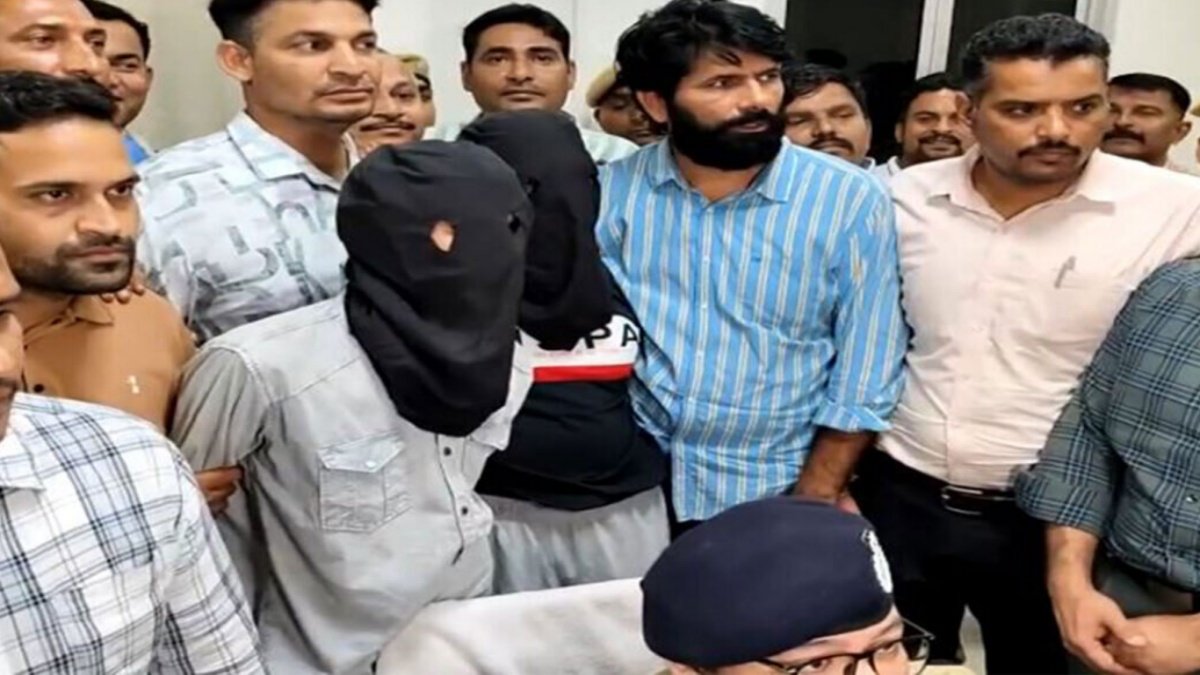
In a sweeping sweep to curb the civil uprising, security forces have arrested and imprisoned over 600 social activists and committee members. Consequently, July 5, a day Pakistan traditionally utilized to project diplomatic solidarity, has been reclaimed by locals as a coordinated “Day of Protest” against administrative atrocities.
The Root Cause: Institutional Manipulation
At the core of this massive civil uprising is a long-standing constitutional dispute regarding the 12 seats in the legislative assembly reserved strictly for refugees from Jammu and Kashmir. Local civic groups and political analysts allege that Islamabad systematically rigs regional elections to its advantage by manipulating these 12 seats.
Through this legislative mechanism, Pakistan has consistently installed puppet administrations that prioritize federal dictates over local welfare. Rejecting this institutional interference, regional activists have announced a total boycott of the July 27 regional elections. Furthermore, communities are actively protesting the Pakistani army’s deployment of low-altitude surveillance drones, which locals view as an invasive tool used to track and intimidate civil rights defenders.