Key Highlights
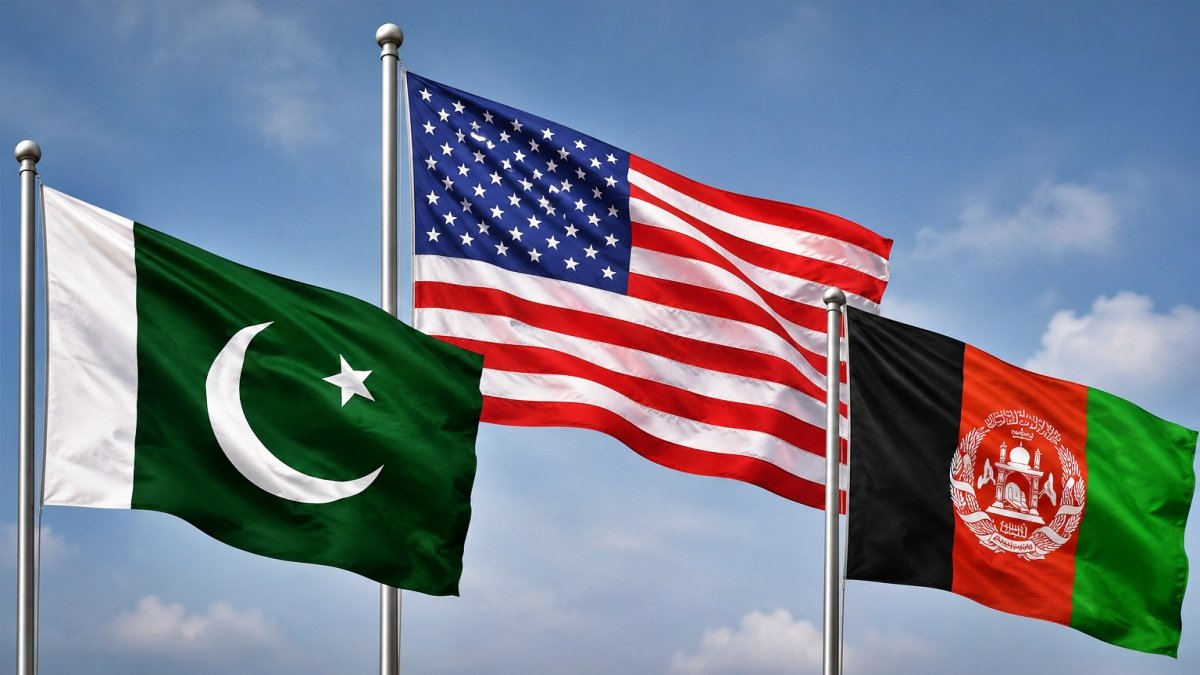
- Washington’s Support: The US State Department explicitly endorsed Pakistan’s right to protect its borders and citizens from cross-border militancy.
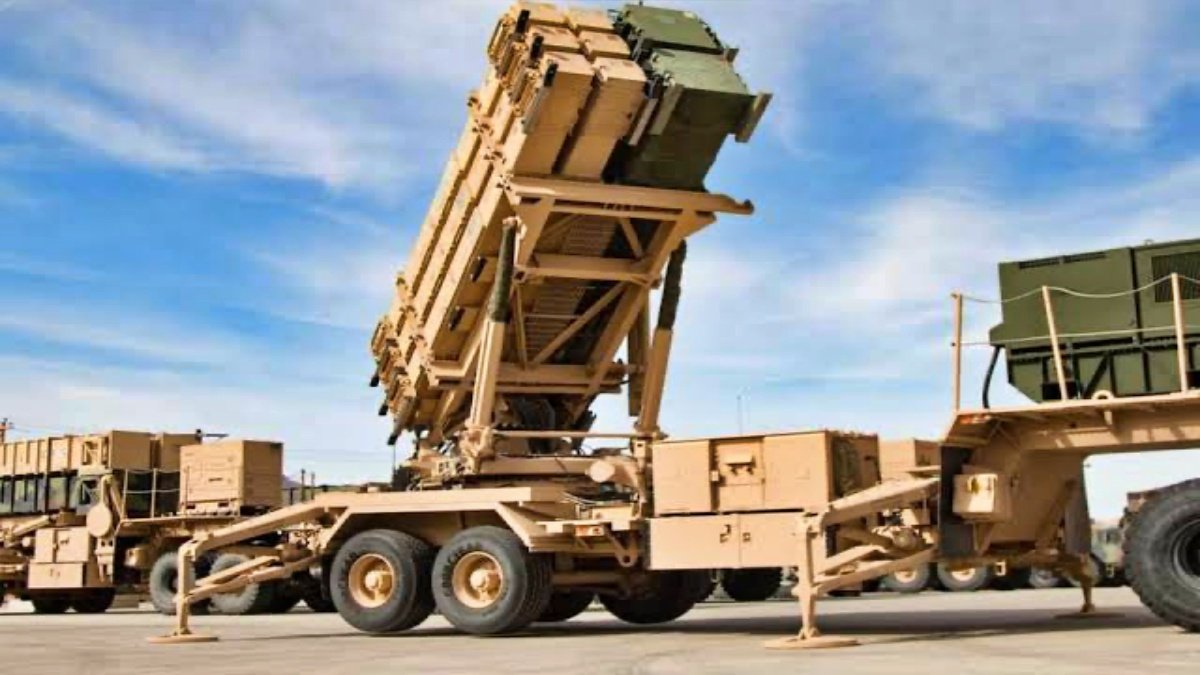
- June 27 Operations: Pakistan launched major airstrikes across Afghanistan’s Paktika, Nangarhar, and Khost provinces, targeting insurgent strongholds.
- Humanitarian Impact: A United Nations report detailed that at least 28 civilians were killed and 49 others injured, though Pakistan maintains it only targeted weapons caches.
- Taliban Retaliation: The Afghan government rejected the accusations, branding the strikes an act of aggression and launching retaliatory shelling along the border.
Amidst rapidly escalating military hostilities along the volatile frontier, the United States State Department has issued an official statement publicly siding with Pakistan. Washington confirmed its support for Islamabad’s recent cross-border air operations inside Afghanistan, asserting that the emulation of local terror groups has caused immense suffering to the Pakistani people, granting the nation an inherent right to self-defense.
This public backing introduces a critical international dimension to the ongoing conflict. Analysts suggest that the stance indicates Washington continues to view the Afghan Taliban regime as complicit in harboring militant networks. A driving factor behind this alignment is Pakistan’s long-standing status as a Major Non-NATO Ally of the United States, a designation that secures strategic priority in bilateral security frameworks.
Triggers and Casualties of the June 27 Airstrikes
The latest flashpoint in the conflict erupted on June 27, 2026, when the Pakistani military launched precision airstrikes targeting the Paktika, Nangarhar, and Khost provinces in eastern Afghanistan. According to official reports from the United Nations, the strikes resulted in severe civilian casualties, leaving at least 28 dead and approximately 49 others injured.
Islamabad defended the operation, claiming that its intelligence-led strikes exclusively destroyed weapons and ammunition stockpiles belonging to active insurgent cells. The primary catalyst for the military offensive was a deadly assault in Karachi, where three Pakistani soldiers were killed during an ambush on the Sindh Rangers regional headquarters. Pakistan blamed Jamaat-ul-Ahrar, a dangerous faction linked directly to the Tehrik-i-Taliban Pakistan (TTP), accusing Afghanistan of providing safe havens to the militants orchestrating violence across the border.
Geopolitical Alignments and Taliban Defiance
The alignment between Washington and Islamabad reflects broader shifts within American foreign policy following Donald Trump’s return to the White House. Strategic ties between the two nations have strengthened significantly, reinforced by Pakistan’s recent diplomatic role as a mediator attempting to navigate the volatile standoff between Iran and the US-Israel axis.
In sharp contrast, the Afghan Taliban government has categorically rejected Islamabad’s allegations. Kabul maintains that cross-border terrorism is a manifestation of Pakistan’s internal institutional failures, accusing its neighbor of externalizing blame to deflect from domestic security lapses. Following the airstrikes, the Afghan army launched retaliatory artillery strikes against Pakistani border positions, pushing the military standoff to historic highs as both sides brace for further escalation.