

































Key Highlights
- Protest Threat: MQM-P has warned it will launch an uncontrollable public protest movement across urban Sindh if its long-standing demands are ignored.
- The 2022 Accord: The dispute stems from an 18-point agreement signed on March 30, 2022, between MQM-P and the Pakistan Peoples Party, of which the alliance claims not a single point has been implemented.
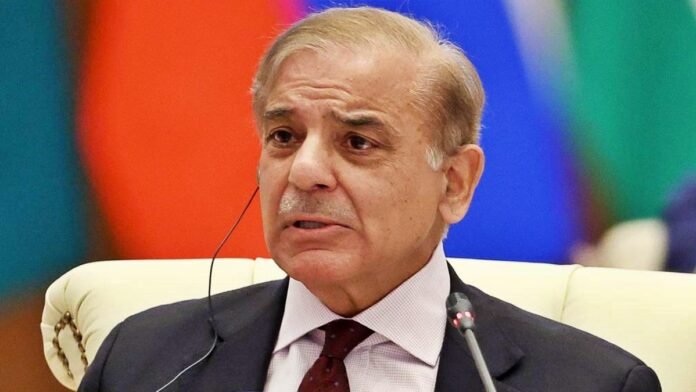
- PM as Guarantor: Senior leader Farooq Sattar emphasized that Prime Minister Shehbaz Sharif signed the pact as a witness and guarantor, placing the ultimate responsibility on the federal government.
- Core Demands: The party is demanding local government empowerment under Article 140A, an investigation into fake domiciles, and adjustments to the public job quota system.
- PPP Backlash: The Sindh provincial government has hit back, labeling MQM-P’s warnings as political blackmail and an attempt to bypass the public mandate.
The stability of Pakistan’s federal coalition government faces a severe test following an ultimatum from one of its primary allies. On Saturday, July 4, 2026, the Muttahida Qaumi Movement,Pakistan (MQM-P) directly challenged the administration of Prime Minister Shehbaz Sharif, stating that it would mobilize the public across Sindh if a foundational political agreement continues to be ignored.
The friction traces back to March 30, 2022, when MQM-P and the Pakistan Peoples Party (PPP) signed a comprehensive 18-point charter just before collaborating to oust the Pakistan Tehreek-e-Insaf (PTI) government. The agreement covered critical urban reforms, ranging from municipal governance structures and resource sharing to local policing systems and fair recruitment policies. According to MQM-P leaders, over four years have passed, yet the provincial and federal authorities have failed to execute even a single clause of the deal.
Farooq Sattar Issues “Final Warning”
Addressing a high-stakes press conference in Karachi, senior MQM-P leader Farooq Sattar described the situation as critical, framing his message as a definitive warning to the federal executive. Sattar clarified that MQM-P is not seeking additional ministries, administrative authority over Sindh’s natural resources, or a greater share in the provincial government. Instead, the party is demanding accountability for the political vows that formed the bedrock of the current alliance.
Sattar utilized a striking analogy, describing the agreement as a marriage between MQM-P and the PPP, with Prime Minister Shehbaz Sharif acting as the official witness and guarantor. Consequently, MQM-P maintains that the federal government cannot remain a passive bystander. The leadership warned that public deprivation and institutional neglect in Karachi and other urban centers have reached their limits, and the party is actively preparing communities for street-level agitation.
Constitutional Demands and Provincial Pushback
In its bid to force implementation, MQM-P has raised the possibility of invoking Article 149 of the Constitution, which permits the federal government to issue executive directives to provincial administrations under specific conditions. Key points of contention include the immediate devolution of financial and political powers to local bodies under Article 140A, a rigorous audit of allegedly fake domicile certificates used for state employment, and the total overhaul or abolishment of the existing government job quota system.
The ruling PPP in Sindh has reacted sharply to the threats. Sindh Information Minister Sharjeel Inam Memon publicly dismissed MQM-P’s press conference, classifying it as a calculated piece of political blackmail. Memon argued that the PPP holds a clear and legitimate democratic mandate in Sindh that cannot be altered or pressured by public ultimatums. He accused MQM-P of prioritizing political shortcuts over the democratic process, signaling an escalating war of words that could severely disrupt the fragile political consensus keeping the federal government afloat.