




























Key Points
- No Fixed Timeline: The U.S. administration is prioritizing the quality of a potential deal over a speedy resolution.
- Maritime Dominance: Increased naval operations in the Strait of Hormuz aim to secure global oil supplies and counter Iranian influence.
- Maximum Pressure: Economic sanctions and the termination of the 2015 nuclear deal are being used as primary leverage.
- Post-Soleimani Dynamics: The administration views the 2020 removal of Qasem Soleimani as a decisive shift in Iranian military effectiveness.
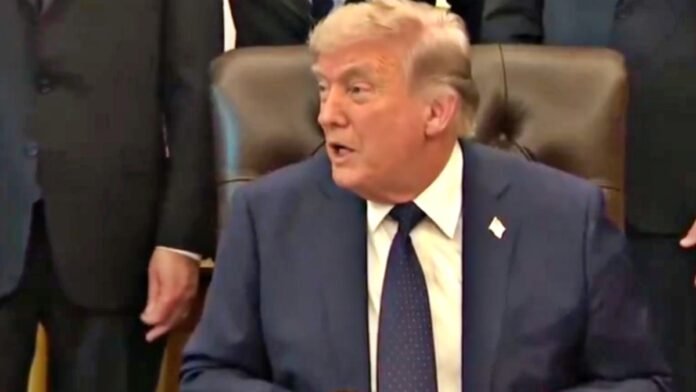
Speaking from the White House, President Donald Trump clarified that the United States is not bound by a specific calendar regarding ongoing tensions with Iran. While negotiations remain the preferred path, the President emphasized that the U.S. maintains a significant military advantage. This “wait and see” approach suggests that while the door to diplomacy is open, the threat of resumed military action remains a secondary option if an agreement cannot be reached. Notably, the President specified that the current strategy excludes the deployment of nuclear weapons, focusing instead on conventional deterrence and economic isolation.
Escalation in the Strait of Hormuz
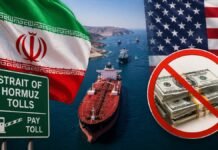
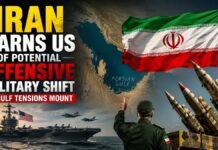
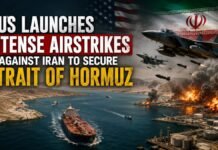
The U.S. military has significantly ramped up its presence in the Strait of Hormuz, a critical chokepoint for global energy markets. This intensification includes enhanced mine-clearing operations and the reported seizure of Iranian assets, including a tanker in the Indian Ocean. These actions follow a series of maritime skirmishes and accusations of Iranian interference with international cargo vessels.
The administration asserts that these operations have successfully degraded Iran’s naval and aerial capabilities. President Trump remarked that Iran’s internal leadership appears increasingly unstable, noting that domestic conflicts and a crippled economy have left its defense systems less effective than in previous years.
The Legacy of the JCPOA and Soleimani
A central pillar of the current U.S. policy remains the total rejection of the Obama-era Joint Comprehensive Plan of Action (JCPOA). President Trump reiterated his stance that the original deal was fundamentally flawed, claiming it provided a legal pathway for Iran to eventually acquire nuclear capabilities. By terminating the agreement, the administration aims to force a more comprehensive treaty that permanently blocks Iran’s path to a nuclear bomb.
The President also pointed to the assassination of General Qasem Soleimani as a pivotal moment in regional geopolitics. Describing the late commander as a “brilliant general,” Trump argued that his removal fundamentally altered Iran’s ability to project power, leading to the current state of diminished military coordination within the Islamic Revolutionary Guard Corps.
Economic Leverage and the Maritime Blockade
The U.S. strategy currently relies on the effectiveness of a “de facto” blockade. By controlling the flow of traffic through the Strait of Hormuz and maintaining rigorous sanctions, the U.S. has placed Iran in a precarious economic position. The President stated that the strait will essentially remain under U.S. oversight until a new deal is brokered, noting that the economic benefits of reopening the waterway to Iranian trade will only be granted once Tehran agrees to the administration’s terms.
Despite the continued lack of clarity regarding which faction of the Iranian leadership will ultimately come to the table, the U.S. remains committed to its policy of maximum pressure, viewing the current economic distress in Tehran as the most likely catalyst for a diplomatic breakthrough.