
































Key Updates
- Extension Granted: The April 22 deadline has been pushed back at the request of Pakistani leadership.
- Vance Trip Delayed: Vice President JD Vance’s visit to Islamabad is on hold until Tehran responds to U.S. terms.
- Naval Blockade: The U.S. Navy continues to intercept Iranian vessels in the Strait of Hormuz.
- Internal Division: Trump cited a “severely divided” Iranian government as the primary reason for the delay.
- New Sanctions: The U.S. Treasury recently targeted 14 entities linked to Iran’s missile and drone networks.
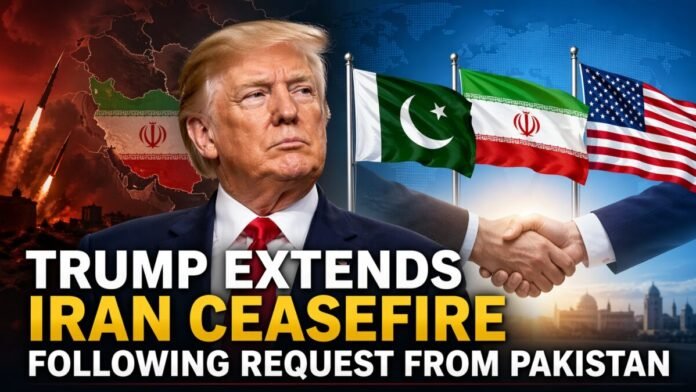
U.S. President Donald Trump announced on Wednesday that he has authorized an extension of the current ceasefire with Iran, effectively pausing combat operations that were scheduled to resume today. Posting on Truth Social, the President indicated that the move was a direct response to mediation efforts by Pakistan’s Army Chief, Asim Munir, and Prime Minister Shehbaz Sharif.
Trump stated that the extension is intended to give the Iranian leadership “additional time” to resolve internal disagreements and present a unified proposal for a permanent peace deal. He noted that the government in Tehran appears fractured, making it difficult for the U.S. to secure a reliable negotiating partner.
Naval Pressure and the Strait of Hormuz
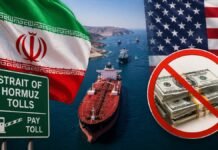
Despite the pause in active strikes, the President emphasized that the “maximum pressure” campaign is far from over. The U.S. Navy will maintain its blockade of the Strait of Hormuz, preventing Iranian ships from transporting crude oil or military hardware.
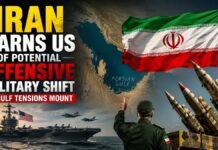
Iranian officials have reacted sharply to this dual-track approach. An advisor to the Speaker of the Iranian Parliament characterized the extension as a “tactic to buy time,” asserting that the continuing blockade is a form of undeclared warfare. Reports from the Tasnim News Agency suggest that the Revolutionary Guard (IRGC) remains ready to break the blockade by force if diplomatic efforts fail.
Diplomatic Setbacks in Islamabad
The ceasefire extension comes amid a significant setback in the diplomatic calendar. Vice President JD Vance was scheduled to lead a high-level delegation to Islamabad this week, alongside special envoys Jared Kushner and Steve Witkoff, to begin a second round of talks. However, the White House confirmed the trip has been postponed indefinitely.
Sources within the administration indicate the delay is due to a lack of a formal response from Tehran regarding the U.S. negotiating framework. While the White House remains open to resuming the trip at a moment’s notice, the “diplomatic process is in effect paused” until Iran commits to the table.
Context of the 2026 Conflict
The current truce follows a period of intense military escalation that began in late February 2026. Pakistan stepped in as a mediator, successfully brokering an initial two-week ceasefire on April 8.
While the extension provides a reprieve from total war, the situation remains precarious. The U.S. Treasury Department recently added to the tension by imposing new sanctions on 14 individuals and aircraft across Turkey, the UAE, and Iran, targeting the procurement of components for ballistic missiles. With the ceasefire now open-ended, the international community is watching closely to see if Tehran can consolidate its leadership enough to meet the American demands for a “unified proposal.”