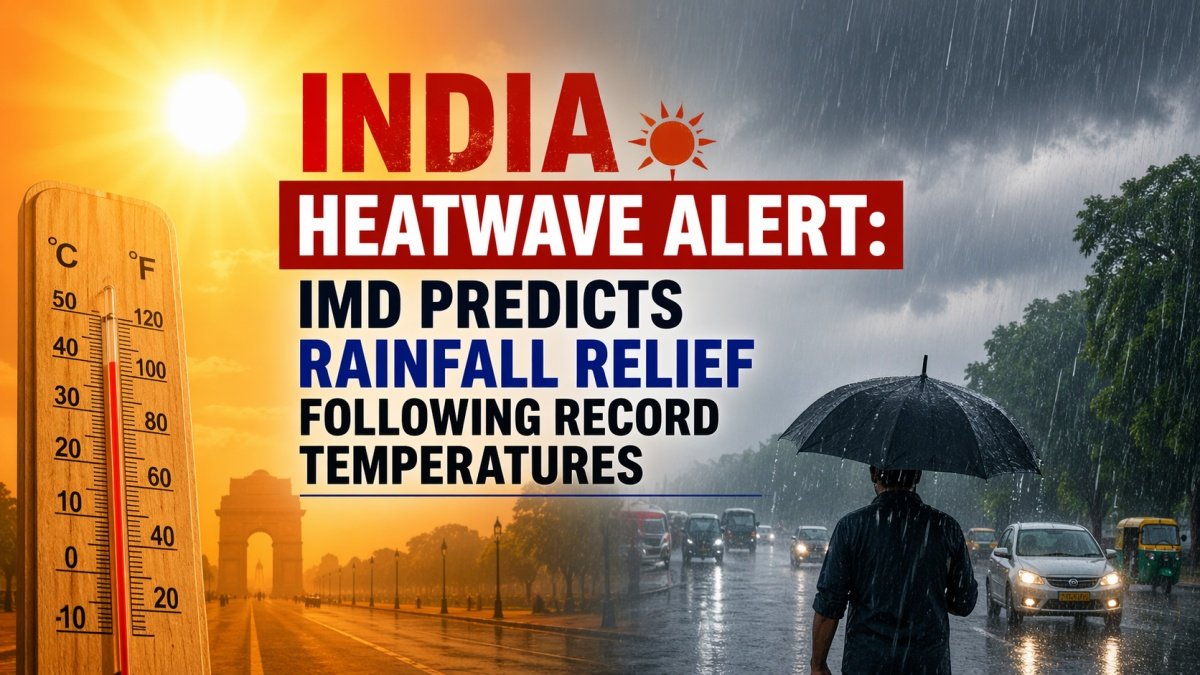
Key Points
- Peak Intensity: Temperatures in Rajasthan, Delhi, and Uttar Pradesh have reached 43,45°C, triggering widespread health alerts.
- Western Disturbance: A new weather system is expected to bring rain to the northern plains starting April 26.
- Hilly Regions: Snowfall and heavy rain are predicted for Himachal Pradesh and Uttarakhand, which will help cool neighboring states.
- Regional Variation: While South India begins its pre-monsoon showers, states like Bihar and Odisha continue to face severe, dry heat.
India is currently enduring one of the most intense heat spells of the 2026 summer season. A stagnant high-pressure system, often referred to as a heat dome, has settled over the Indo-Gangetic plains, causing temperatures to skyrocket well above seasonal norms. From the arid deserts of Rajasthan to the humid corridors of Odisha, the lack of cloud cover and the presence of dry westerly winds have brought daily life to a virtual standstill during peak afternoon hours.
However, the India Meteorological Department (IMD) has provided a glimmer of hope. Meteorologists are tracking the arrival of a significant Western Disturbance, a moisture-laden weather system originating from the Mediterranean region. This system is expected to interact with the heated plains of North India, leading to a shift in atmospheric pressure and the subsequent onset of thunderstorms, which could break the current heat cycle by early next week.
Regional Breakdown: Current Status and Forecasts
North India and Delhi-NCR
The national capital and surrounding regions have seen mercury levels hover around 43°C. The IMD predicts that today, April 24, and tomorrow may represent the peak of this heatwave. Starting the evening of April 26, cloud cover is expected to increase, with light to moderate rainfall likely by April 28. In Uttar Pradesh, particularly in the Bundelkhand and Purvanchal regions, temperatures have reached a staggering 45°C, but western districts are expected to see relief in the form of squalls and thunderstorms within the next 48 hours.
Western and Central India
Rajasthan remains the country’s furnace, with cities like Jaipur and Bikaner recording temperatures between 42°C and 44°C. While dust storms are possible in the coming days, significant cooling is not expected until the end of the month. Similarly, Madhya Pradesh is bracing for a further 2,3 degree rise in temperature before any moisture from the Western Disturbance reaches the central belt.
Eastern India: Continued Hardship for Bihar and Odisha
Unlike the northern plains, the eastern states of Bihar, Jharkhand, and Odisha are unlikely to see immediate relief. The heatwave in these regions is characterized by high humidity, which increases the “real feel” temperature significantly. While parts of Jharkhand may see isolated hailstorms between April 26 and 29, Bihar remains under a severe heatwave alert with minimal chances of significant precipitation in the immediate future.
Hill States and the Northeast
The Western Disturbance will have its most profound impact on the Himalayan states. Jammu & Kashmir, Himachal Pradesh, and Uttarakhand have received warnings for thunderstorms and isolated snowfall in higher reaches. This activity is expected to act as a natural coolant for the plains below. In the Northeast, pre-monsoon activity is at its peak, with Assam and Meghalaya facing the risk of heavy rainfall and gusty winds reaching speeds of 60,70 km/h.
Looking Ahead: The Pre-Monsoon Transition
As South India enters its pre-monsoon phase with steady showers in Kerala and Karnataka, the rest of the country remains in a volatile transition period. The IMD continues to advise citizens to remain hydrated and avoid outdoor activities during the window of 11:00 AM to 4:00 PM. The upcoming rainfall, while temporary, is seen as a critical reprieve that may stabilize power demand and provide much-needed moisture for agriculture before the official monsoon arrival later this year.