

































Key Diplomatic Developments
- Envoy Called In: Foreign Secretary Vikram Misri summoned Iranian Ambassador Mohammad Fathali to express “deep concern” over the hostile boarding of the Epaminondas.
- Safety Mandate: New Delhi has informed Tehran that the safety of Indian seafarers and cargo is a “non-negotiable” priority for the government.
- Stranded Vessels: The Ministry of External Affairs (MEA) confirmed that 14 India-bound vessels currently remain stranded in the Persian Gulf due to Iranian military activity.
- Strategic Pressure: India is coordinating with regional partners, including Saudi Arabia, to safeguard energy supplies passing through the world’s most vital maritime chokepoint.
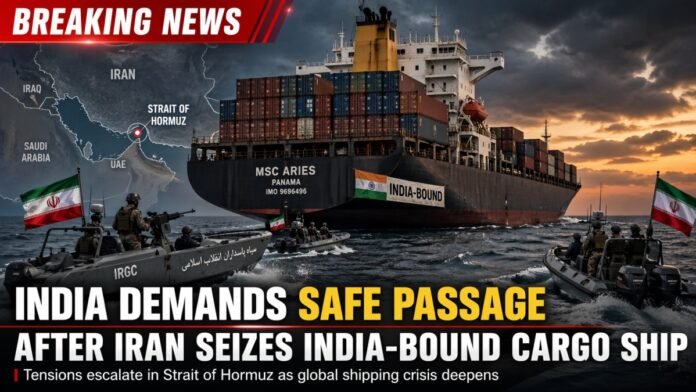
The Government of India has intensified its diplomatic efforts to secure the release of India-bound commercial traffic after the Islamic Revolutionary Guard Corps Navy (IRGC-N) seized two vessels, including the Liberia-flagged Epaminondas, which was destined for Gujarat’s Mundra Port. In a formal meeting at Jawaharlal Nehru Bhawan, Foreign Secretary Vikram Misri reminded Ambassador Mohammad Fathali that India expects a return to the previously established protocols of safe passage.
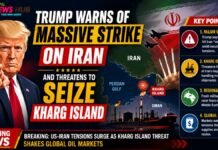
The MEA has avoided using the aggressive term “summoned,” opting instead to say the Ambassador was “called in,” a move that maintains diplomatic channels while signaling significant displeasure. India’s stance is rooted in the fact that these seizures occurred despite a unilateral ceasefire extension announced by U.S. President Donald Trump, which Iran has largely ignored due to the ongoing American naval blockade of its ports.
Maritime Trade and Energy Security at Stake
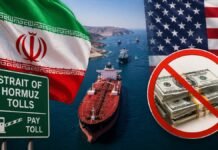
The Strait of Hormuz is the primary artery for India’s energy imports, with approximately one-fifth of global oil trade passing through the narrow corridor. During a weekly media briefing, MEA spokesperson Randhir Jaiswal highlighted the growing volatility, noting that while some vessels have successfully transited, 14 others are currently trapped in the western Persian Gulf.
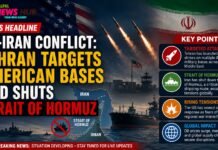
The diplomatic standoff is complicated by Iran’s claim that it is enforcing “strict military control” over the strait in response to U.S. “piracy.” However, India has made it clear that neutral commercial shipping, particularly those vessels servicing the Indian economy, should not be caught in the crossfire of the U.S.–Iran conflict.
Regional Coordination for Supply Stability
As part of a broader strategy to mitigate the crisis, National Security Advisor Ajit Doval recently visited Saudi Arabia to discuss the security of the maritime corridor. India is pushing for a multilateral assurance that commercial traffic will not be disrupted by the IRGC-N’s aggressive patrolling.
The situation remains critical as the Epaminondas, owned by a Greek shipping firm but carrying vital cargo for Indian industries, remains under Iranian custody. New Delhi continues to monitor the safety of the 21 crew members on board while demanding that Tehran resume the facilitation of India-bound ships across the strait without further delay.