Key Points
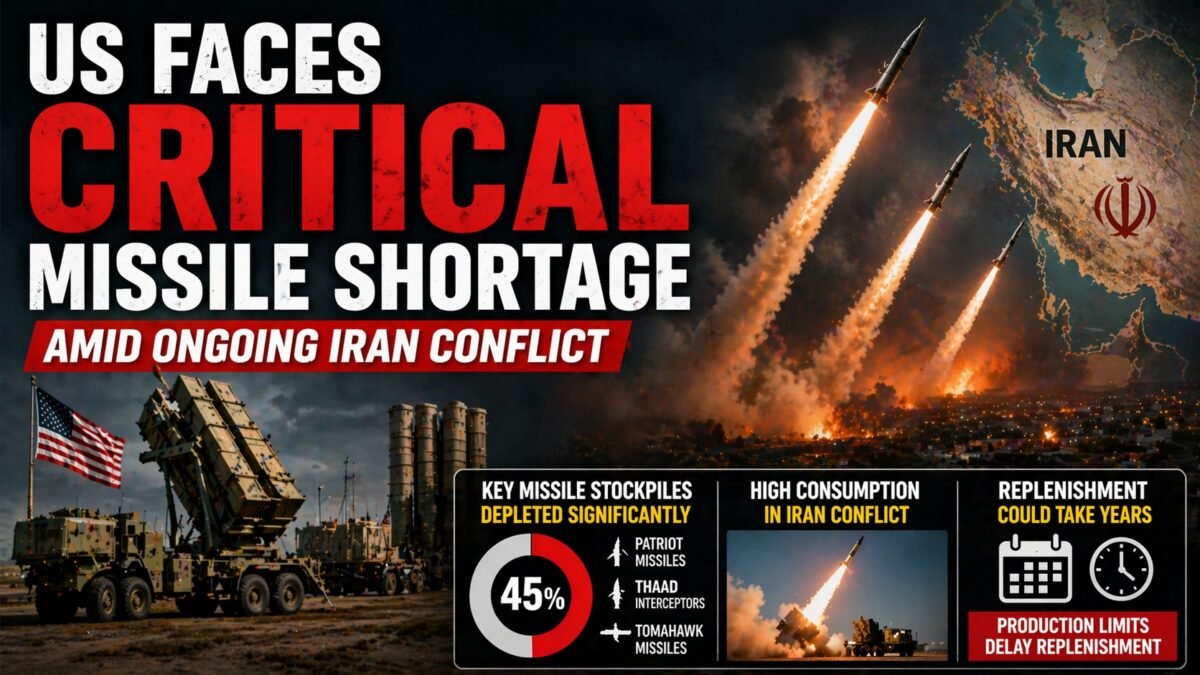
- Stockpile Crisis: U.S. precision-strike missile inventory has plummeted by nearly 50 percent since the conflict began in February 2026.
- Budget Surge: A historic $1.5 trillion defense budget is proposed for 2027, including $30 billion specifically for munitions.
- Asymmetric Strain: Half of the available Patriot and THAAD interceptors have been expended to counter low-cost Iranian drone swarms.
- Naval Expansion: The Navy is requesting 785 Tomahawk cruise missiles, up from just 55 last year, the largest shipbuilding push since 1962.
- Drone Warfare Priority: $74 billion is earmarked for drone technology, with an additional $21 billion for counter-drone defense systems.
As the military engagement between the United States and Iran enters its seventh week, the Pentagon is facing an unprecedented logistical crisis. Top defense officials have acknowledged that the high-intensity nature of the conflict has strained U.S. resource capacity to its limit. Recent data indicate that the military has already expended 45 percent of its precision-strike missile arsenal, leaving the total inventory at a critically low level.
The rapid rate of consumption has raised concerns among military experts regarding the U.S. ability to sustain a prolonged engagement. Officials from the Department of Defense noted that while the military remains combat-ready, the current trajectory of ordnance expenditure is outpacing domestic production capabilities.
The Cost of Air Defense
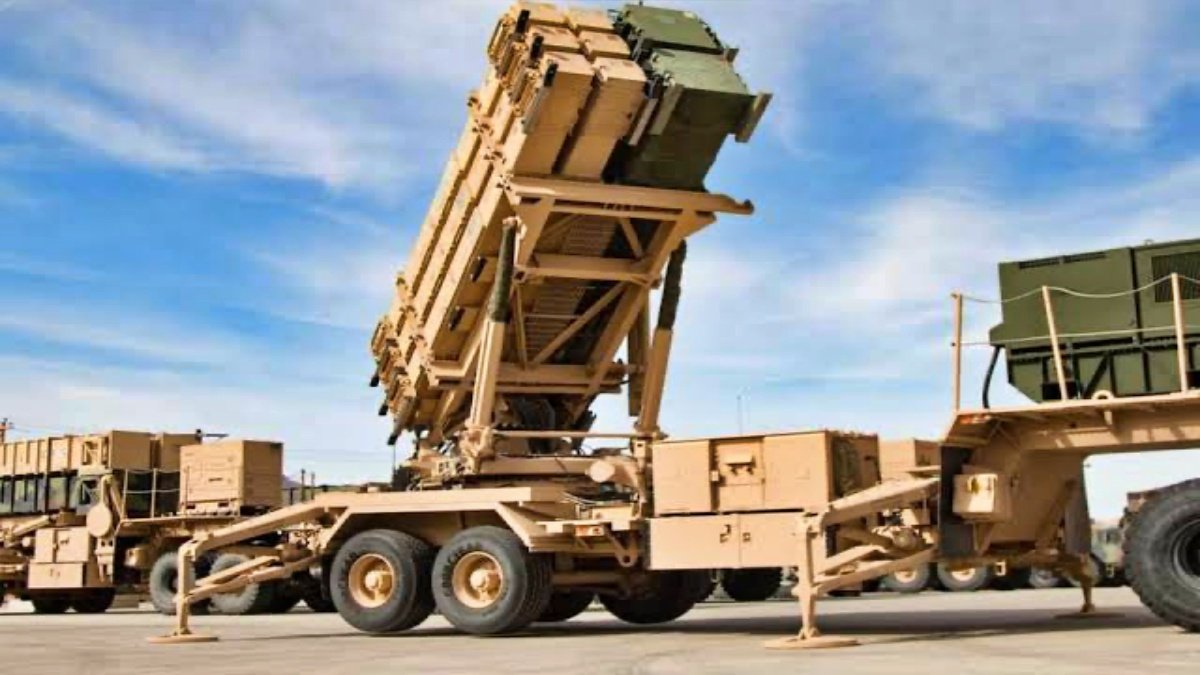
One of the most significant drains on resources has been the defense against Iranian unmanned aerial vehicles (UAVs). The U.S. has relied heavily on the Patriot and THAAD (Terminal High Altitude Area Defense) systems to intercept these threats. While effective, the cost asymmetry is stark; expensive interceptors designed for ballistic missiles are being used to neutralize inexpensive drones.
Currently, half of the U.S. inventory for these interceptors has been depleted. The THAAD system, which specializes in medium-range ballistic threats, and the Patriot system, used for short-range aircraft and missiles, are both seeing operational stress that was not fully anticipated in pre-war planning.
A Historic $1.5 Trillion Response
To address these vulnerabilities, the Pentagon has unveiled a massive 2027 defense budget proposal totaling $1.5 trillion. This plan, which is now considered an urgent necessity rather than a strategic guideline, includes over $30 billion for the immediate procurement of critical munitions and interceptors.
The budget also signals a paradigm shift toward robotic warfare. For the first time in history, the U.S. plans to invest $74 billion in modern military drones and $21 billion in counter-drone systems. This investment reflects the hard lessons learned over the last seven weeks, specifically the need for a more cost-effective way to manage swarming aerial threats.
Manpower and Naval Dominance
The proposed budget also looks to expand the physical size of the Armed Forces. The Pentagon is seeking to recruit 44,500 additional troops, marking a 2 percent increase in total force capacity to manage the multi-front challenges in West Asia.
On the maritime front, the budget includes the most significant shipbuilding request since 1962. A key component of this naval expansion is the dramatic increase in Tomahawk cruise missile procurement. The Navy aims to jump from 55 units last year to 785 missiles this year, a nearly 1,400 percent increase intended to restock the “maximum pressure” blockade currently in place in the Strait of Hormuz.
Operational Challenges and Future Outlook
Despite the scale of the request, Jules Hurst III, an official at the U.S. Department of Defense, clarified that these figures do not yet include the daily operational expenses of the current conflict. The focus is purely on long-term structural replenishment.
Experts warn that even with immediate funding, the industrial base may struggle to keep up. Long-range cruise missiles, such as the Tomahawk, cannot be manufactured at the same speed at which they are being fired. As the ceasefire extension negotiated by Pakistan provides a temporary pause in aerial strikes, the U.S. is racing to ensure its “empty magazines” do not become a strategic liability if the conflict resumes.