Key Highlights
- Historic Return: This marks the first visit to China by a U.S. president in nearly nine years, following the 2025 trade truce.
- Geopolitical Focus: Discussions will center on the 2026 Iran war, the Strait of Hormuz blockade, and nuclear arms control.
- Economic Interests: A delegation of top American CEOs, including leaders from Boeing and Mastercard, will join the visit to secure deals in agriculture and aerospace.
- Technology & AI: Both nations aim to establish new safeguards and dialogue frameworks for rapidly evolving AI technologies.
- Indo-Pacific Security: The U.S. will address concerns regarding regional military escalations while maintaining its existing stance on Taiwan.
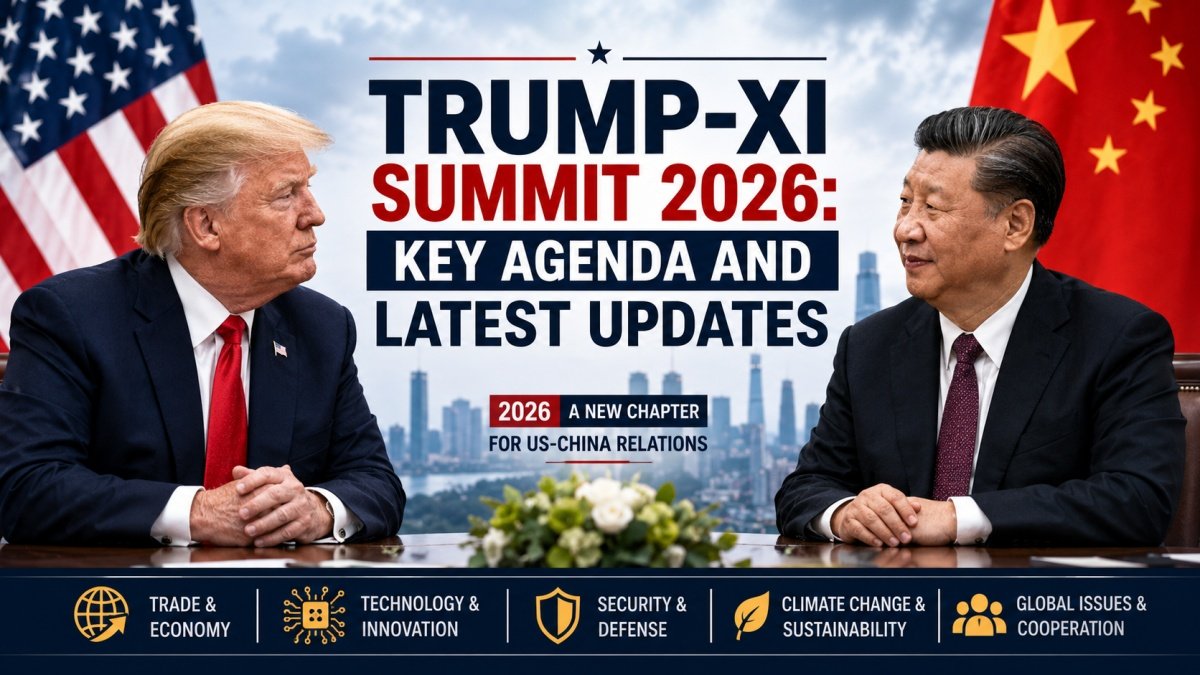
U.S. President Donald Trump is scheduled to arrive in Beijing on the evening of May 13, 2026, marking a historic return to the Chinese capital for the first time since 2017. This visit, originally planned for early April, was postponed due to the strategic complexities of the 2026 Iran war. The White House has emphasized that this summit is a substantive policy mission designed to rebalance the economic relationship between the world’s two largest powers. Beyond ceremonial gestures, the two leaders are expected to engage in rigorous negotiations to ensure global stability during a period of intense regional conflict.
Addressing the Global Energy Crisis and Iran
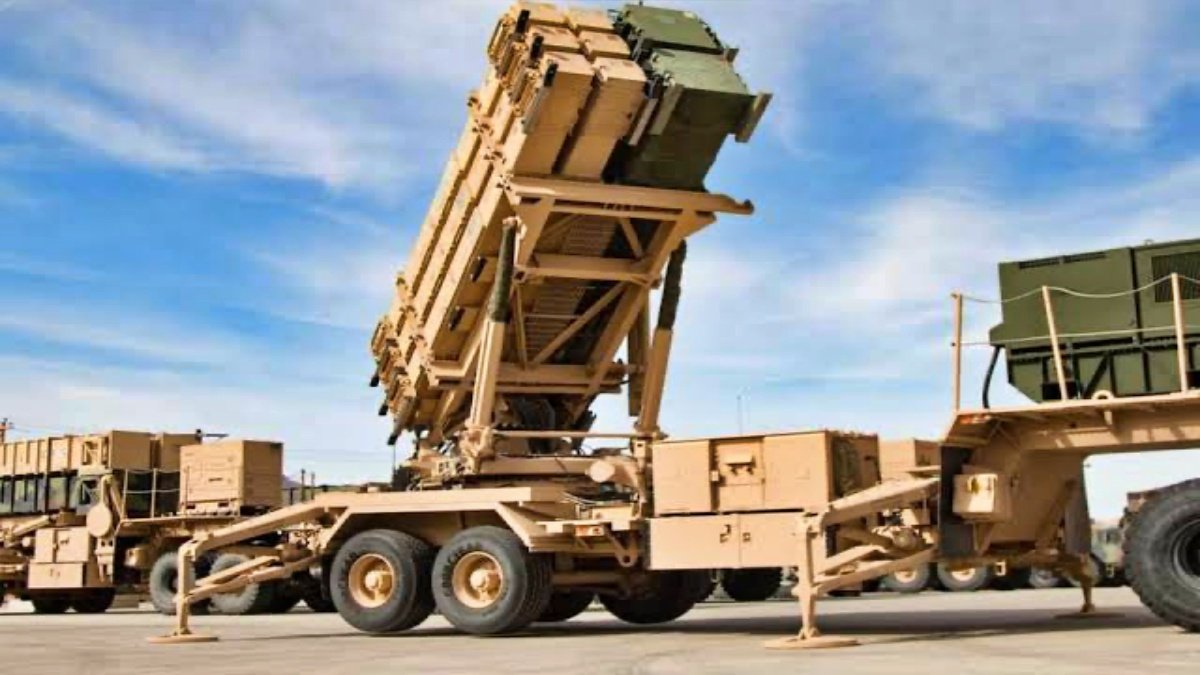
The Trump administration is expected to apply significant diplomatic pressure on Beijing regarding its deepening ties with Tehran. As the Strait of Hormuz remains a flashpoint for global energy security, the U.S. remains concerned about Chinese oil purchases and the export of dual-use goods to Iran. While the U.S. has recently imposed stringent sanctions on several Chinese intelligence and satellite firms, Beijing has provided high-level assurances that it will not supply lethal weapons, specifically surface-to-air missiles, to the Iranian regime. These discussions come as the U.S. seeks to bolster national security while navigating the economic ripples of the Middle East conflict.
Trade Truce and Economic Agreements
A primary goal for the U.S. delegation is to extend or formalize the trade truce established during the Busan Summit in October 2025. To support this effort, a high-profile group of American CEOs will accompany the President. These business leaders, representing the aerospace, energy, and agriculture sectors, aim to finalize agreements that protect the interests of American workers and farmers. While some analysts suggest China may use the current U.S. focus on the Middle East as leverage, the White House has clarified that it remains committed to its Indo-Pacific security objectives and has not altered its diplomatic policy regarding the sensitive issue of Taiwan.
The Frontier of AI and Cybersecurity
With the rapid evolution of advanced AI models, technology has moved to the forefront of the bilateral agenda. The summit will feature dedicated sessions on AI technology and cybersecurity, as both nations recognize the need for enhanced dialogue to prevent unintended escalations. The U.S. has clearly articulated its concerns about the expanding capabilities of new AI systems, seeking to establish a framework that ensures technological competition does not compromise global safety.
President Trump’s Itinerary in Beijing
The official visit begins on the evening of May 13 and will conclude on the afternoon of May 15. The scheduled itinerary is packed with high-level engagements:
- May 14 (Morning): A formal welcome ceremony followed by the first round of bilateral meetings with President Xi Jinping.
- May 14 (Afternoon/Evening): A visit to the historic Temple of Heaven, followed by a grand state banquet hosted by the Chinese government.
- May 15 (Morning): A private tea meeting and a working lunch between the two leaders to finalize joint statements.
- May 15 (Afternoon): President Trump departs for the United States, with First Lady Melania Trump expected to participate in several cultural exchange events throughout the trip.
With the eyes of the world on Beijing, this summit represents a pivotal moment for 2026, offering a rare opportunity to move from a cycle of retaliation toward a more stable and predictable international order.