Key Points
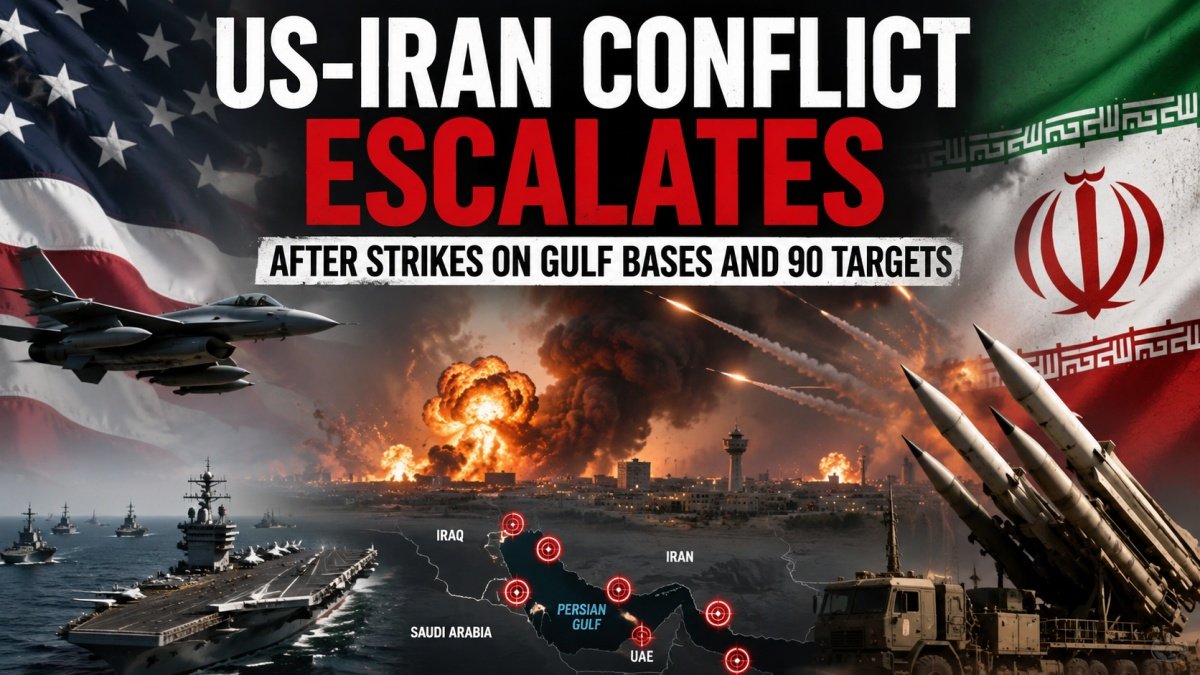
- Iran’s IRGC claimed Responsibility for strikes on Camp Arifjan and Ali Al Salem in Kuwait, alongside Juffair and Sheikh Isa bases in Bahrain.
- US Central Command (CENTCOM) targeted 90 Iranian military sites, disabling air defenses and drone storage to protect commercial shipping routes.
- US President Donald Trump announced the ceasefire is over, warning of a severe “20-for-1” retaliation policy against future provocations.
- Iranian officials remain defiant, declaring that movement through the critical Strait of Hormuz will now occur strictly under Iranian terms.
The volatile security architecture of the Middle East has entered a dangerous new phase, making a return to the prior status quo highly unlikely. In a major escalation, Iran’s Islamic Revolutionary Guard Corps, or IRGC, officially announced a coordinated offensive utilizing ballistic missiles and suicide drones against heavily fortified US military installations across Kuwait and Bahrain.
The IRGC explicitly categorized the multi-front strike as the “first phase of a punitive retaliatory action,” designed to avenge recent heavy American precision bombing campaigns on Iranian soil.
Precision Strikes and Target Infrastructure
According to state media broadcasts from Tehran, Iranian aerospace and naval units targeted Camp Arifjan and the Ali Al Salem Air Base in Kuwait, which serve as vital operational hubs for Western personnel. Simultaneously, missiles were directed at the Juffair and Sheikh Isa military bases in Bahrain, the host nation for the US Navy’s 5th Fleet headquarters. While Kuwaiti defense forces confirmed they actively engaged and intercepted multiple incoming aerial threats, the massive barrages have triggered emergency sirens and widespread security alerts throughout the Gulf Arab states.
The Iranian counter-offensive followed a massive, premeditated air campaign orchestrated by US Central Command, or CENTCOM. Operating under executive orders, American stealth fighters and naval assets successfully neutralized approximately 90 strategic military installations along the Iranian coastline. This operation marks the second consecutive night of intense bombing, closely following a previous wave that destroyed 80 targets, including more than 60 IRGC fast-attack naval vessels.
According to a formal intelligence update from CENTCOM, the secondary wave of precision strikes successfully dismantled:
- Early-warning radar arrays and coastal surveillance centers
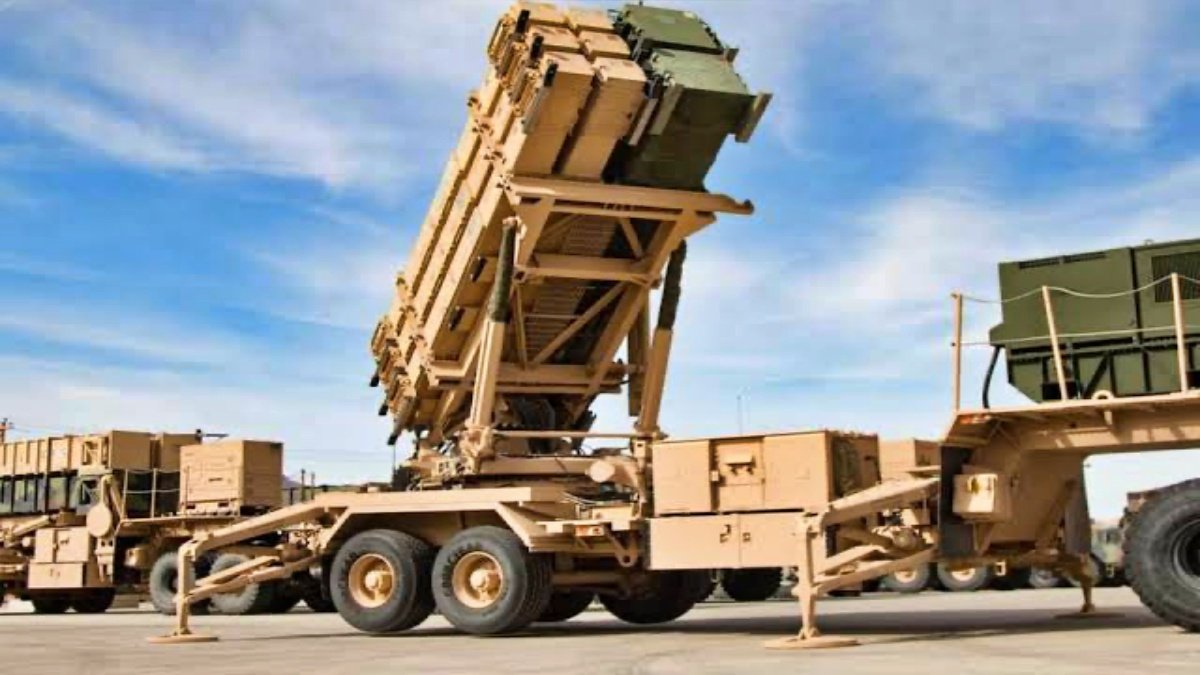
- Advanced surface-to-air missile batteries and air defense networks
- Deeply buried drone and ballistic missile storage depots
- Command infrastructure and military logistics hubs feeding regional networks
The Battle for the Strait of Hormuz
The catalyst for this direct kinetic warfare centers entirely around control of the Strait of Hormuz, a vital maritime corridor through which roughly 20% of the world’s global oil supply passes daily. Hostilities originally re-ignited earlier in the week when Iranian forces intercepted and attacked three commercial merchant tankers off the coast of Oman, asserting that all international shipping lines must navigate the waterway exclusively under the coordination of Tehran’s maritime authorities.
The United States military responded rapidly by deploying assets to break what it termed an illegal blockade, resulting in direct combat engagement. International energy markets are already fluctuating rapidly, with rising fuel costs and shifting logistics routes threatening broader global economic stability.
Trump’s ’20-for-1′ Doctrine
Speaking to reporters while returning from a NATO summit, US President Donald Trump adopted an uncompromising posture, declaring the three-month-old ceasefire with Iran completely dead. Trump introduced a strict new military doctrine, vowing that the United States will now respond to any hostile Iranian provocation at a highly asymmetric ratio.
“Every time they attack us, we will strike back 20 times harder,” Trump warned, adding that continued maritime disruptions would prompt the US military to seize total operational control over Iran’s domestic oil and gas production facilities.
In response, Iranian Parliament Speaker Mohammad Bagher Ghalibaf issued a defiant counter-warning across social media. Ghalibaf emphasized that any subsequent American incursions would be met with a crushing, absolute military reply, reiterating that safe passage through the Strait of Hormuz will henceforth exist solely under strict Iranian arrangements, independent of Western threats.