































Key Highlights
- Provocative Rhetoric: Defense Minister Khawaja Asif called Israel “cancerous” and a “source of instability,” drawing international scrutiny.
- Israeli Rebuke: Prime Minister Benjamin Netanyahu’s office questioned Pakistan’s credibility as a neutral mediator in the Islamabad peace talks.
- Mediation at Risk: The controversy coincides with high-level negotiations in Islamabad involving U.S. and Iranian delegations.
- Lebanon Exclusion: Israel reiterated that Lebanon remains outside the current ceasefire scope, continuing operations against Hezbollah.
- Diplomatic Fallout: Analysts suggest the outburst could weaken Pakistan’s standing with the U.S. delegation led by JD Vance.
A diplomatic firestorm has erupted on the sidelines of the historic Islamabad peace talks, as Pakistan, the host and self-styled mediator, faces a severe backlash from Israel. The dispute was triggered by incendiary remarks from Pakistan’s Defense Minister, Khawaja Asif, who described Israel as “cancerous” and a “curse upon humanity.” These comments come at a delicate moment when regional powers are attempting to solidify a fragile truce between the United States and Iran.
Speaking during a press briefing, Asif leveled heavy accusations against the Israeli government, asserting that its military actions in Gaza, Lebanon, and Iran are the primary drivers of regional chaos. He argued that a nation founded under such controversial circumstances has evolved into a global threat to peace. The timing of the statement has stunned international observers, as Pakistan is currently portraying itself as a balanced intermediary capable of bridging the gap between Washington and Tehran.
Jerusalem Issues a Scathing Response
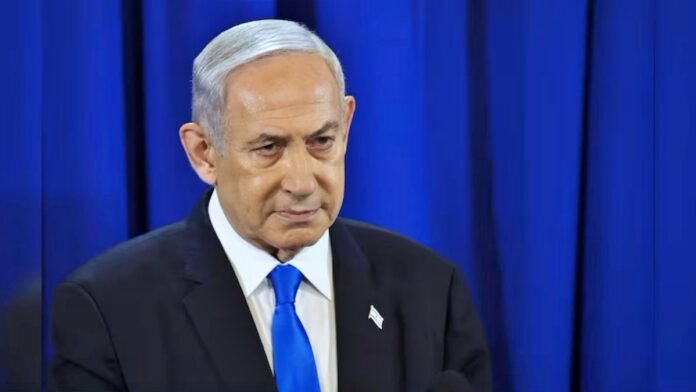
The office of Israeli Prime Minister Benjamin Netanyahu was swift to respond, issuing a formal condemnation that questions the very foundation of Pakistan’s diplomatic efforts. The statement from Jerusalem argued that it is “completely unacceptable” for a country to advocate for the destruction of a sovereign state while simultaneously claiming to be an impartial peacemaker.
Israeli officials indicated that Asif’s rhetoric has effectively stripped Pakistan of its “credible mediator” status. “A nation that adopts such a hostile and biased stance against a key regional player cannot realistically facilitate a fair dialogue,” the Israeli statement read. This development has cast a long shadow over the negotiations in Islamabad, where Pakistan has been desperate to prove its diplomatic utility to the incoming American delegation.
Regional Tensions and the Lebanon Factor
The controversy is further complicated by the situation in Lebanon. Even as the U.S. and Iran discuss a potential long-term peace framework, Israel has maintained a firm stance that Lebanon is excluded from the current ceasefire arrangements. Israeli military operations against Hezbollah infrastructure have continued unabated, a point of contention that Iranian President Masoud Pezeshkian has already labeled a “blatant violation.”
With Pakistan’s defense leadership now openly attacking Israel, the likelihood of a broader regional escalation appears increasingly slim. While Islamabad views the current peace talks as a landmark diplomatic triumph, the escalating war of words with Israel may alienate Western partners and complicate the efforts of U.S. mediators who are seeking a comprehensive solution to the five-year conflict. As the summit enters its most critical phase, the focus has shifted from the negotiation table to the growing rift between the mediator and the region’s most formidable military power.