
































Key Updates
- OFAC Warning: The U.S. Office of Foreign Assets Control has officially prohibited all payment methods for transit, including digital assets, barter, and embassy transfers.
- Proposal Rejected: President Trump recently dismissed Iran’s latest 14-point peace proposal, stating the regime has not yet “paid a big enough price” for its actions.
- Revenue Collection: Iranian officials confirmed the first deposit of maritime “toll” revenue into their Central Bank in late April 2026.
- Naval Blockade: A U.S. naval blockade remains active despite the April 8 ceasefire, with 45 commercial ships already ordered to turn around by Central Command.
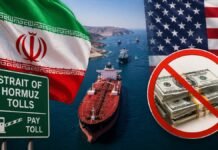
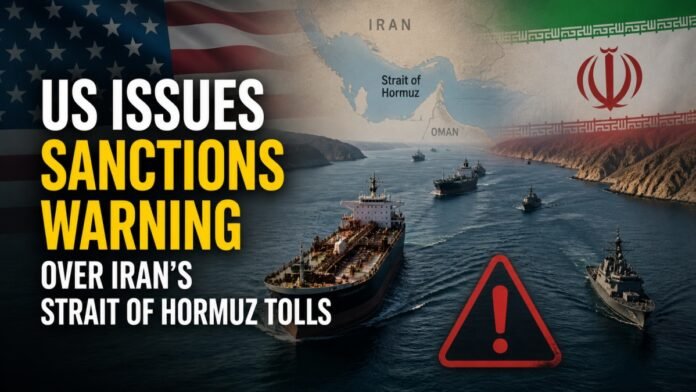
In a significant escalation of economic pressure, the U.S. Department of the Treasury’s Office of Foreign Assets Control (OFAC) has issued a global alert targeting Iran’s attempts to monetize the Strait of Hormuz. The administration’s latest move is a direct response to what officials call a “tollbooth” arrangement, where Iran offers safe passage to vessels that detour through its territorial waters in exchange for fees.
The OFAC alert clarifies that any payment made to Iranian government entities, or the Islamic Revolutionary Guard Corps (IRGC), carries severe sanctions risks. This warning applies not only to U.S. citizens but also to non-U.S. individuals and corporations. Under the threat of secondary sanctions, foreign financial institutions involved in these transactions could lose all access to the U.S. financial system, effectively isolating them from global trade.
Standoff Deepens as Trump Dismisses Peace Overtures
The sanctions warning coincides with a hardening stance from the White House. President Donald Trump recently rejected a new 14-point peace proposal delivered by Tehran via mediators in Pakistan. The proposal reportedly included the withdrawal of U.S. forces and the lifting of the current naval blockade in exchange for opening the strait.
“I’ll let you know about it later,” Trump told reporters before boarding Air Force One, though he later signaled skepticism on social media, suggesting that the Iranian leadership is “disjointed” and has not yet made sufficient concessions. The administration remains firm that no deal will be reached until Iran agrees to a permanent, verifiable end to its nuclear weapons program, a goal Trump cited when initial strikes were launched in February, 2026.
The Economic Reality of the Strait of Hormuz
Despite a fragile ceasefire that has been in effect since April 8, 2026, Iran has moved forward with its plan to tax international shipping. Hamidreza Haji Babaei, Deputy Speaker of the Iranian Parliament, confirmed that the first revenues from these transit fees have already been deposited into the Central Bank. According to Iranian state media, the fees are calculated based on the type of cargo and the perceived risk level of the vessel.
The U.S. has countered this by maintaining a strict naval blockade since April 13, intended to starve the Iranian economy of oil revenue. While Iran insists its nuclear program is peaceful and its maritime fees are legitimate, international maritime bodies have warned that there is no legal basis for a nation to impose discriminatory tolls on international straits.
Comprehensive Monitoring of Global Payments
U.S. officials are now monitoring an unprecedented range of payment channels to ensure compliance. OFAC has specified that the prohibition extends beyond standard cash transfers to include,
- Digital assets and cryptocurrency.
- Informal barter and commodity swaps.
- Donations to state-aligned charities like the Iranian Red Crescent.
- Fees are paid directly at Iranian embassies or consulates.
As the conflict nears its third month, the shipping industry remains caught in a dilemma, paying the Iranian regime risks devastating U.S. sanctions, while refusing to pay leaves vessels vulnerable to interference in one of the world’s most critical energy corridors.