Key Highlights
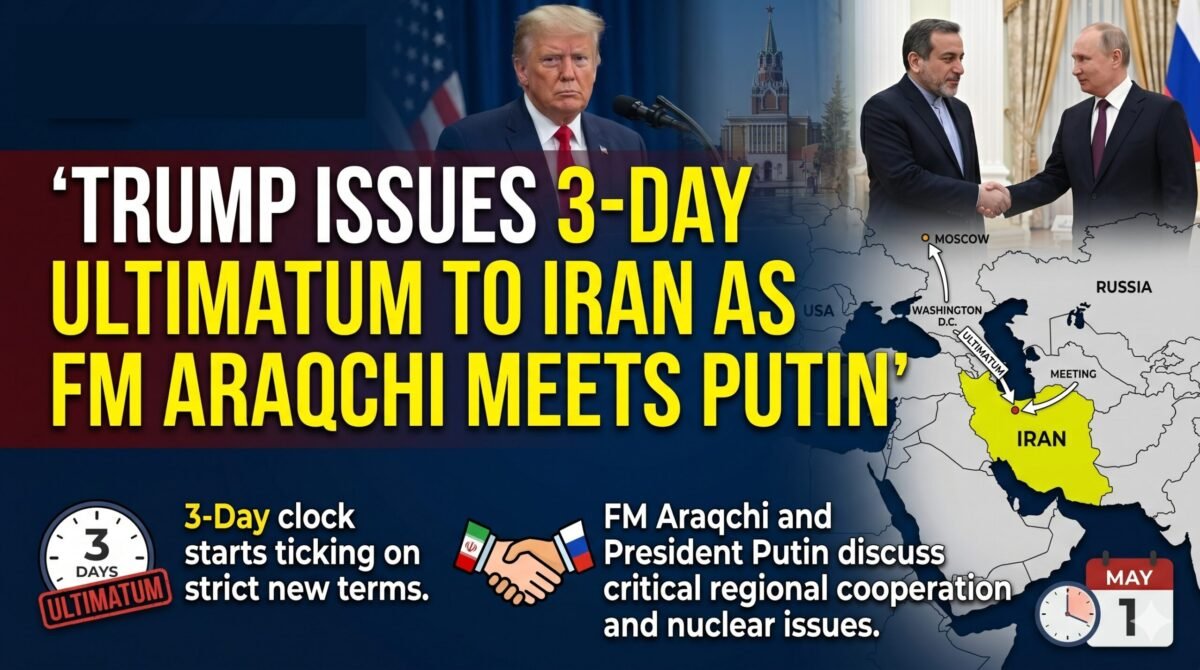
- Trump’s Deadline: Iran has been granted a three-day window to reach a final agreement or face the destruction of its oil pipelines.
- Diplomatic Offensive: FM Abbas Araqchi is in Russia today for a critical meeting with Vladimir Putin after high-level talks in Pakistan and Oman.
- Hormuz Standoff: Iran offers to reopen the Strait of Hormuz in exchange for lifted sanctions, but continues to refuse negotiations on its nuclear program.
- Energy Crisis: The blockade has crippled fuel supplies in Pakistan, Nepal, and Bangladesh, with global oil markets bracing for further volatility.
- India at Risk: While India’s reserves have held steady so far, experts warn that the 72-hour ultimatum could trigger a localized supply shock.
The Middle East conflict, which ignited on February 28, 2026, has entered its most perilous phase yet. Following reports of Iranian Foreign Minister Abbas Araqchi’s arrival in St. Petersburg to meet Russian President Vladimir Putin, the White House has shifted from diplomatic pressure to an explicit military threat. President Donald Trump, reacting to the growing Moscow-Tehran axis, has issued a direct ultimatum: Iran has three days to accept a comprehensive deal or risk its remaining oil infrastructure being “systematically dismantled.”
The threat specifically targets Iran’s vital oil pipelines, a move designed to permanently paralyze the nation’s export capabilities. In a characteristically blunt statement, President Trump noted that he would bypass traditional diplomatic channels, preferring to communicate “directly via telephone” to resolve the stalemate.
The Russian Connection and the “Oman Channel”
FM Araqchi’s visit to Russia is the final leg of a whirlwind diplomatic tour that included stops in Pakistan and Oman. In Muscat, Araqchi reportedly utilized the long-standing “Oman Channel” to relay a proposal to Washington. The core of Iran’s current position involves a trade-off; Tehran is willing to reopen the strategic Strait of Hormuz and extend the current fragile ceasefire in exchange for the total removal of maritime blockades and existing sanctions.
However, a significant hurdle remains: Iran has made it clear that its nuclear program is non-negotiable. Tehran’s stance is that nuclear discussions will not resume until the U.S. demonstrates good faith by reopening trade routes and restoring Iran’s access to global financial markets.
Global Economic Fallout and the South Asian Crisis
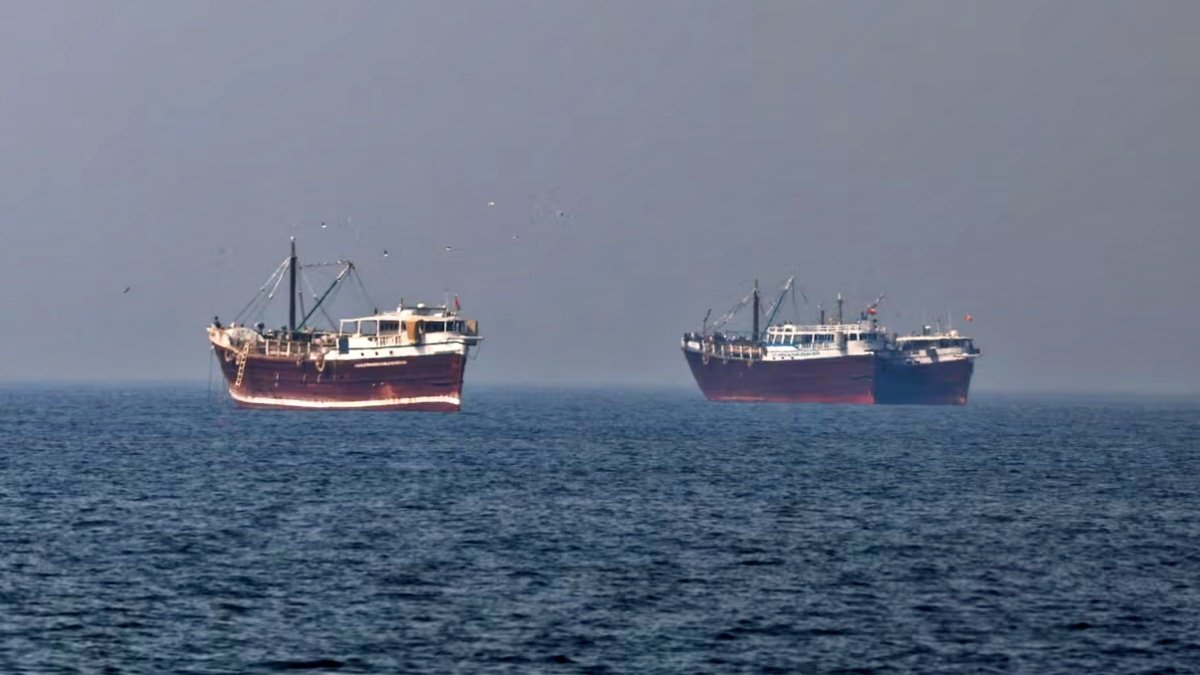
The blockade of the Strait of Hormuz, through which approximately 25 percent of the world’s seaborne oil passes, has triggered the most severe energy crisis since the 1970s. The impact is being felt acutely across South Asia:
- Pakistan and Bangladesh: Both nations are reporting critical shortages of natural gas and petrol, leading to widespread industrial shutdowns.
- Nepal: Fuel rationing has been introduced in Kathmandu as supply lines from the Gulf remain severed.
- India: While New Delhi has utilized its strategic petroleum reserves to mitigate the initial shock, the prospect of an expanded war targeting pipelines has sent Brent crude futures toward the $100 mark, threatening domestic inflation.
Operation Epic Fury and the Path to Peace
The current war, dubbed “Operation Epic Fury” by U.S. forces, has upended regional dynamics since the initial strikes in late February. The killing of top Iranian leadership and the subsequent retaliatory strikes on Gulf oil tankers have left the global economy on edge.
As the 72-hour clock begins to tick, the meeting in St. Petersburg takes on a new level of urgency. If Putin and Araqchi can forge a security guarantee that satisfies both Tehran’s sovereignty and the U.S. demand for regional stability, a catastrophe might be averted. If not, the world may witness the “consequences far beyond imagination” that the White House has promised, potentially altering the energy map of the Middle East forever.