Key Highlights
- Ceasefire Window: All military operations are suspended from May 9 through May 11, 2026.
- Prisoner Exchange: Both nations have agreed to release 1,000 prisoners of war each.
- Diplomatic Breakthrough: The deal was brokered directly by President Trump via Truth Social.
- Victory Day Context: The pause coincides with the historic anniversary of the Second World War victory.
- Global Security: The move is hailed as a potential “beginning of the end” for the four-year conflict.
The conflict between Russia and Ukraine, which has ravaged the region since February 2022, has reached a significant diplomatic milestone. US President Donald Trump announced a comprehensive three-day ceasefire starting today, May 9, 2026. This suspension of all “kinetic activity” is designed to provide a humanitarian window and a platform for deeper peace negotiations, marking the most substantial pause in hostilities since the war’s inception.
President Trump shared the details of the agreement through a high-profile post on Truth Social, where he expressed gratitude to Russian President Vladimir Putin and Ukrainian President Volodymyr Zelenskyy for their cooperation. The President noted that this breakthrough follows months of intensive diplomatic pressure and direct personal appeals to both leaders.
Victory Day Celebrations and Prisoner Exchange
The timing of the ceasefire is deeply symbolic, aligning with Victory Day, a holiday marking the 1945 defeat of Nazi Germany. While Moscow traditionally holds large-scale military parades on May 9, President Trump highlighted that the day holds profound meaning for Ukraine as well, given its pivotal role in the Allied victory during the Second World War.
A central pillar of this agreement is a massive humanitarian exchange. Both Moscow and Kyiv have confirmed a “1,000 for 1,000” prisoner swap, a scale previously unseen in this conflict. Ukrainian President Zelenskyy welcomed the step, emphasizing that the return of Ukrainian personnel is a primary humanitarian priority, while the Kremlin confirmed its acceptance of the Trump-led initiative.
Broader Geopolitical Context: The Iran Ultimatum
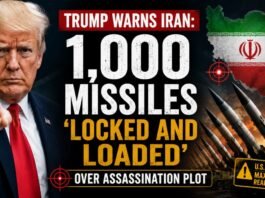
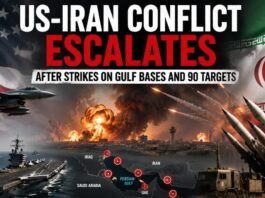
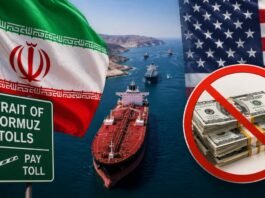
The successful mediation in Eastern Europe comes at a time of heightened tension in the Middle East. Following the recent suspension of “Project Freedom,” a US military operation intended to escort commercial shipping through the Strait of Hormuz, President Trump has pivoted his attention toward Tehran.
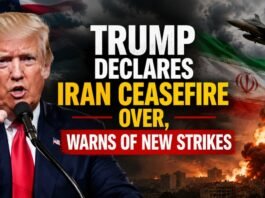
After Saudi Arabia reportedly denied the US military access to its bases for the operation, the President issued a stern ultimatum to the Iranian leadership: “Make a deal or be prepared for massive bombardment.” This “deal or strike” posture underscores a dual-track foreign policy, where the administration seeks to resolve the European conflict while simultaneously escalating pressure on Iran to finalize a new nuclear and security framework.
Path Toward Permanent Peace
While the current ceasefire is limited to three days, global leaders are optimistic that this brief respite could evolve into a lasting resolution. With hundreds of thousands of lives lost over the past four years, the international community views this Trump-mediated truce as a vital first step toward a permanent end to the largest military conflict in Europe since the mid-20th century. Financial markets have already shown signs of recovery at the news, reflecting a cautious hope that the “beginning of the end” is finally at hand.