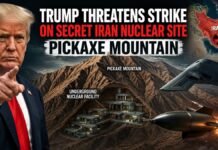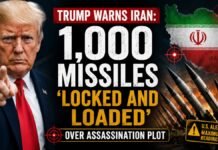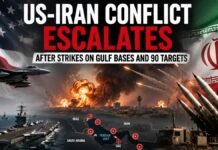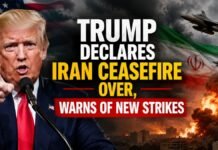

































Key Highlights
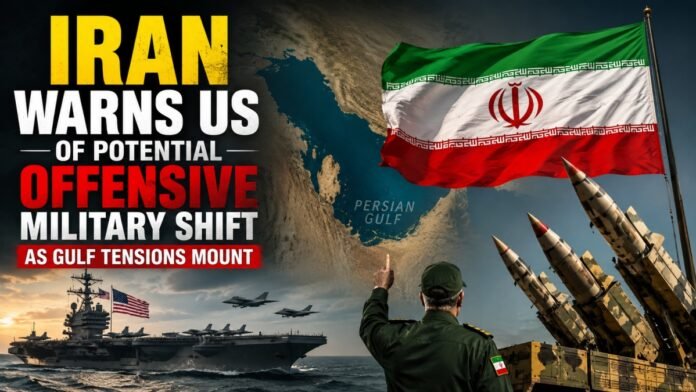
- Strategic Shift: Senior IRGC commanders warn that future Iranian military action could become offensive, promising a “strategic surprise” for adversaries.
- Infrastructure Threats: Tehran indicates that regional energy grids, power stations, and communications networks could face retaliatory targeting.
- Maritime Flashpoint: Fortifications have increased along the Strait of Hormuz and Kharg Island amid heightened disputes over naval sovereignty.
- Regional Risk: US forward operating bases in Bahrain and Kuwait remain on high alert as diplomatic negotiations via Oman stall.
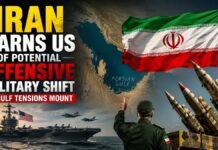
In a notable departure from its traditional posture of declared deterrence, the Islamic Revolutionary Guard Corps (IRGC) has indicated that its future military doctrine could transition to offensive operations. Brigadier General Yadollah Javani cautioned that any foreign military incursions or ground actions would be met with an immediate, multi-tiered response rather than limited defensive maneuvers.
Javani stated that adversaries must prepare for an imminent “strategic surprise,” leaving the specific timing and nature of potential offensive actions undisclosed. The warning comes amid heightened friction between Washington and Tehran, raising concerns among maritime transit operators and regional defense planners.
Infrastructure and Regional Assets in the Crosshairs
Adding to the strategic warning, IRGC spokesman Hossein Mohebbi highlighted the vulnerability of regional infrastructure. Mohebbi noted that any targeting of Iranian domestic facilities would prompt immediate retaliation against critical systems operated by the US and its regional allies.
Potential target profiles highlighted by Iranian defense officials include power generation facilities, regional energy distribution corridors, and digital infrastructure networks. Analysts view this rhetoric as a clear effort to raise the economic and operational costs of any prospective allied military campaign.
Standoff in the Strait of Hormuz
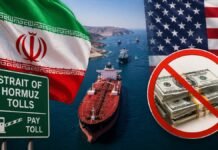
The maritime corridor through the Strait of Hormuz, a critical chokepoint responsible for transporting roughly one-fifth of the world’s petroleum supply, remains the primary focal point of the dispute. Following contentious political rhetoric regarding sovereignty over the waterway, Tehran has deployed rapid-response naval assets, anti-ship missile batteries, and reinforced coastal positions.
Particular operational focus has been directed at Kharg Island, the primary terminal facilitating the vast majority of Iranian crude oil exports. Iranian military leadership reiterated that any landing operations on Iranian-held islands would trigger immediate kinetic counterstrikes.
Diplomatic Efforts Stall Amid Base Vulnerabilities
The escalating rhetoric coincides with the nearing expiration of previously established bilateral understandings between Washington and Tehran. Simultaneously, diplomatic channels hosted in Muscat, Oman, have struggled to bridge complex legal, regulatory, and security divides over maritime navigation rights.
With formal negotiations facing persistent deadlocks, regional security assessments indicate growing exposure for US military installations across the Gulf, including naval facilities in Bahrain and forward operating posts in Kuwait. Iranian officials maintain that unrestricted navigation throughout the Strait of Hormuz will remain contingent on US strategic de-escalation in regional waters.