


























Key Points
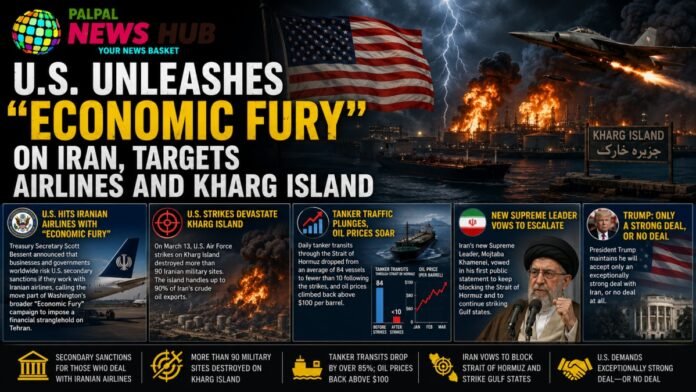
- Treasury Secretary Scott Bessent announced that businesses and governments worldwide risk U.S. secondary sanctions if they work with Iranian airlines, calling the move part of Washington’s broader “Economic Fury” campaign to impose a financial stranglehold on Tehran.
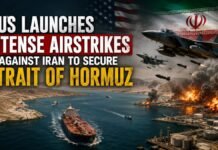
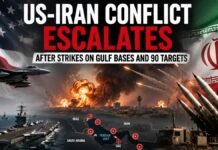
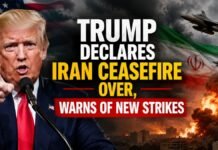
- On March 13, U.S. Air Force strikes on Kharg Island destroyed more than 90 Iranian military sites. The island handles up to 90% of Iran’s crude oil exports.
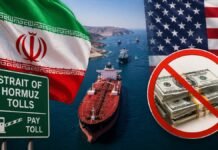
- Daily tanker transits through the Strait of Hormuz dropped from an average of 84 vessels to fewer than 10 following the strikes, and oil prices climbed back above $100 per barrel.
- Iran’s new Supreme Leader, Mojtaba Khamenei, vowed in his first public statement to keep blocking the Strait of Hormuz and to continue striking Gulf states.
- Trump maintains he will accept only an exceptionally strong deal with Iran, or no deal at all.
In a post on X, Bessent warned that foreign governments must ensure companies in their jurisdictions do not provide services to Iranian aircraft, including the provision of jet fuel, catering, and other support, or risk exposure to U.S. sanctions.
The Treasury Department framed the move as part of a “financial stranglehold” strategy, with Bessent stating the department “will not hesitate to act against any third parties that facilitate or conduct business with Iranian entities.” The warning came just as Iran resumed commercial flights from Tehran’s international airport for the first time since the war began, with routes to Istanbul, Muscat, Medina, Iraq, and Qatar.
Separately, Bessent confirmed that the U.S. will not renew any waiver allowing the purchase of Iranian oil currently at sea, closing a loophole that had previously allowed some transactions to continue.
Kharg Island: Targeting Iran’s Economic Lifeline
Kharg Island, a small coral island roughly 21 miles off the Iranian coast in the northern Persian Gulf, handles approximately 90% of Iran’s crude oil exports and has become a central flashpoint in the conflict.
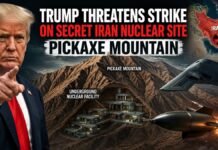
U.S. Central Command stated that the precision strikes on March 13 destroyed naval mine storage facilities and missile storage bunkers among 90 military targets, while deliberately preserving the oil and gas infrastructure. Trump followed up with a stark warning, stating that the oil infrastructure itself could be struck next if Iran continued blocking the Strait of Hormuz.
Trump also told the Financial Times that the U.S. was considering seizing the island entirely, saying, “Maybe we take Kharg Island, maybe we don’t. We have a lot of options.”
The Strategy: Economic Collapse Over Military Conquest
Bessent delivered a blunt warning to Tehran’s ruling elite earlier in the campaign, stating: “The central bank is broke and printing money. Hyperinflation is next,” and warning Iranian leaders that the U.S. Treasury “knows that like rats on a sinking ship,” they are moving funds, adding, “We will track them and you.”
The broader strategy emerging from the Pentagon and the White House signals a deliberate shift toward economic strangulation over direct military escalation, squeezing Iran’s revenue, currency, and access to global financial systems simultaneously.
Mojtaba Khamenei Fires Back
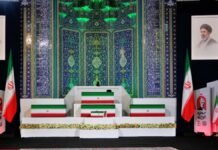
Iran’s new Supreme Leader, Mojtaba Khamenei, issued a combative first public statement, vowing to keep blocking the Strait of Hormuz and threatening to strike U.S. allies’ oil facilities if any Iranian infrastructure is damaged. In a message broadcast on state television, he described the conflict as a time of “economic and cultural Jihad,” accusing the United States and Israel of jointly attempting to sow discord and destabilize the Islamic Republic.
Despite the defiant rhetoric, Trump indicated that Tehran appeared ready to make a deal to end the conflict, though the terms on the table were not yet acceptable to Washington. Trump continues to insist there will be either an exceptionally strong agreement with Iran or no agreement at all, and has called on Gulf nations to join the Abraham Accords as part of a broader regional peace framework.