
































Key Highlights
- Strategic Success: US military operations have destroyed multiple “long-sought-after” objectives across Iran.
- Political Shift: President Trump claims the US is now dealing with an entirely new leadership group in Tehran.
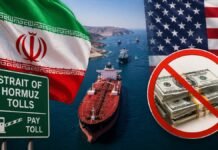
- Economic Warfare: The Strait of Hormuz remains a critical chokehold, with 20% of global energy supplies currently obstructed.
- Tehran’s Rebuttal: Iranian Speaker Mohammad Bagher Ghalibaf mocked the US claims, labeling them as a “setup for profit, taking” in global markets.
- Humanitarian Toll: The conflict, now in its fifth week, has resulted in approximately 3,461 deaths and thousands of injuries.
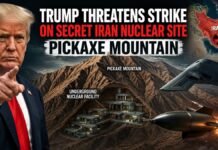
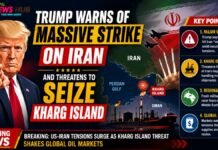
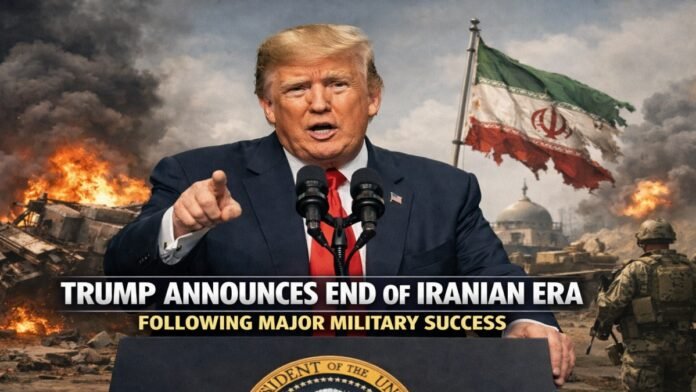
President Donald Trump has officially signaled a major escalation and purported turning point in the month-long conflict with Iran. In a statement posted to Truth Social, the President celebrated the precision of the US military, noting that “exceptional” forces had neutralized targets that the Pentagon has tracked for years.
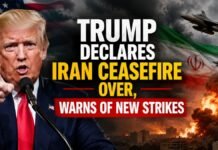
While speaking with reporters aboard Air Force One, Trump went further, claiming that the political landscape of Iran has been permanently altered. “We’ve experienced regime change,” Trump remarked, suggesting that the assassination of top Iranian leadership on February 28 has effectively installed a “different group” at the helm. Despite the ongoing hostilities, the President expressed a high degree of optimism regarding a potential diplomatic settlement in the near future.
The Strait of Hormuz and Global Energy Markets
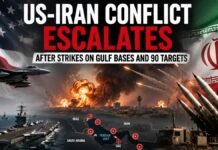
The conflict, which began following a joint US-Israeli surprise offensive on February 28, 2026, has entered a perilous phase for global commerce. Iran’s attempts to obstruct the Strait of Hormuz have sent shockwaves through the international energy sector. As a primary artery for 20% of the world’s oil and gas, the disruption is causing severe anxiety for major Asian economies, including India and China.
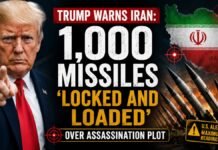
While the US has significantly bolstered its naval presence in the region to ensure freedom of navigation, Tehran has continued to launch retaliatory missile and drone strikes against US interests in the Gulf. The International Federation of Red Cross and Red Crescent Societies reports that the internal situation in Iran is dire, with over 20,000 people injured and essential services failing in several provinces.
Iranian Resistance and Market Psychological Warfare
In a rare and unconventional move, Iranian Parliament Speaker Mohammad Bagher Ghalibaf took to social media to counter Trump’s narrative. Ghalibaf accused the US of using military announcements to manipulate global market sentiment for financial gain. Specifically, he advised investors on X to treat US “Truths” as a “reverse indicator,” suggesting that the US is publicly advocating for peace while privately preparing for a ground invasion.
“The enemy sends messages of negotiation while secretly planning a ground attack,” Ghalibaf stated, warning that Iranian forces are on high alert for any troop movements. He dismissed the reports of a complete collapse in Tehran, asserting that the “different group” Trump referenced is merely a unified Iranian resistance prepared to respond decisively to any violation of sovereignty.
Regional Casualties and the Road Ahead
As the war enters its fifth week, the scale of devastation continues to grow. Data from the human rights organization HRANA indicates that the death toll has reached 3,461, including 1,551 civilians. The conflict has also expanded into Lebanon and Iraq, where local officials report rising fatalities and significant infrastructure damage.
While President Trump remains confident in a swift resolution, the humanitarian and economic costs of the 2026 Iran War are mounting. With global crude prices remaining volatile and both sides claiming tactical superiority, the international community continues to watch the Persian Gulf with mounting concern.