Key Points
- Firm Commitment: Moscow has no plans to exit OPEC+, dismissing fears of a broader collapse of the oil alliance.
- Market Stability: Russia views the organization as a vital tool to mitigate volatility caused by the ongoing conflict in Iran.
- Leadership Continuity: Russia will continue its strategic partnership with Saudi Arabia to manage global production quotas.
- Geopolitical Strategy: The decision is framed as a necessary measure to protect energy infrastructure during periods of extreme regional turbulence.
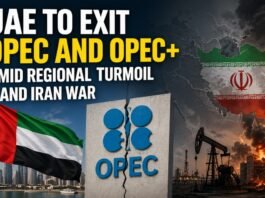
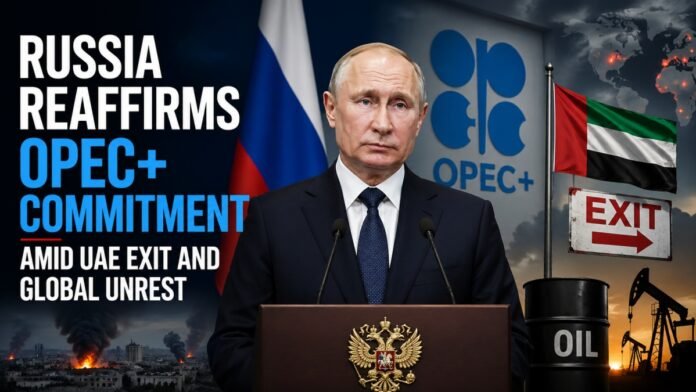
In a decisive move to calm jittery global energy markets, Russia has moved quickly to reassure international stakeholders of its unwavering commitment to the OPEC+ alliance. The statement comes as a direct response to the United Arab Emirates’ recent departure, a move that has sparked widespread concern regarding a potential exodus of other major producers.
Kremlin spokesperson Dmitry Peskov addressed reporters on Thursday, clarifying that Moscow views the continued existence of the group as a fundamental necessity. Peskov emphasized that OPEC+ remains an “extremely important organization,” particularly as the global energy sector faces unprecedented turbulence, which has been exacerbated by military escalations in the Middle East and shifting diplomatic ties.
The Strategic Role of OPEC+ in 2026
“The OPEC+ format helps significantly minimize fluctuations on energy markets and stabilize them,” Peskov stated. He argued that without the collective bargaining and production management provided by the bloc, the global economy would face even sharper price spikes and supply uncertainties.
While Russia expressed official respect for the United Arab Emirates’ sovereign decision to chart an independent course, the Kremlin signaled a “business as usual” approach for the remaining members. Analysts suggest that by staying in the group, Russia preserves its influence over global pricing, which remains a cornerstone of its national budget during the current period of geopolitical strain.
Cooperation with Saudi Arabia
A key pillar of Russia’s strategy involves maintaining its high-level dialogue with Saudi Arabia. The two nations have co-led the alliance since its formation, and Moscow intends to strengthen this partnership to mitigate the volatility caused by the Iran war and recent disruptions to energy infrastructure.
The Kremlin also expressed hope that Moscow’s bilateral energy dialogue with the UAE would continue, despite their diverging paths regarding the OPEC+ framework. For context, Russia has been a pivotal member of the alliance since joining in 2016, and its second-place ranking in global production, behind only Saudi Arabia, ensures that its decision to “hold the line” carries significant weight in preventing a total market freefall.
As of late April 2026, the focus now shifts to the upcoming ministerial meeting, where Russia and Saudi Arabia are expected to propose new measures to address the supply gap left by the UAE’s exit.