Key Highlights
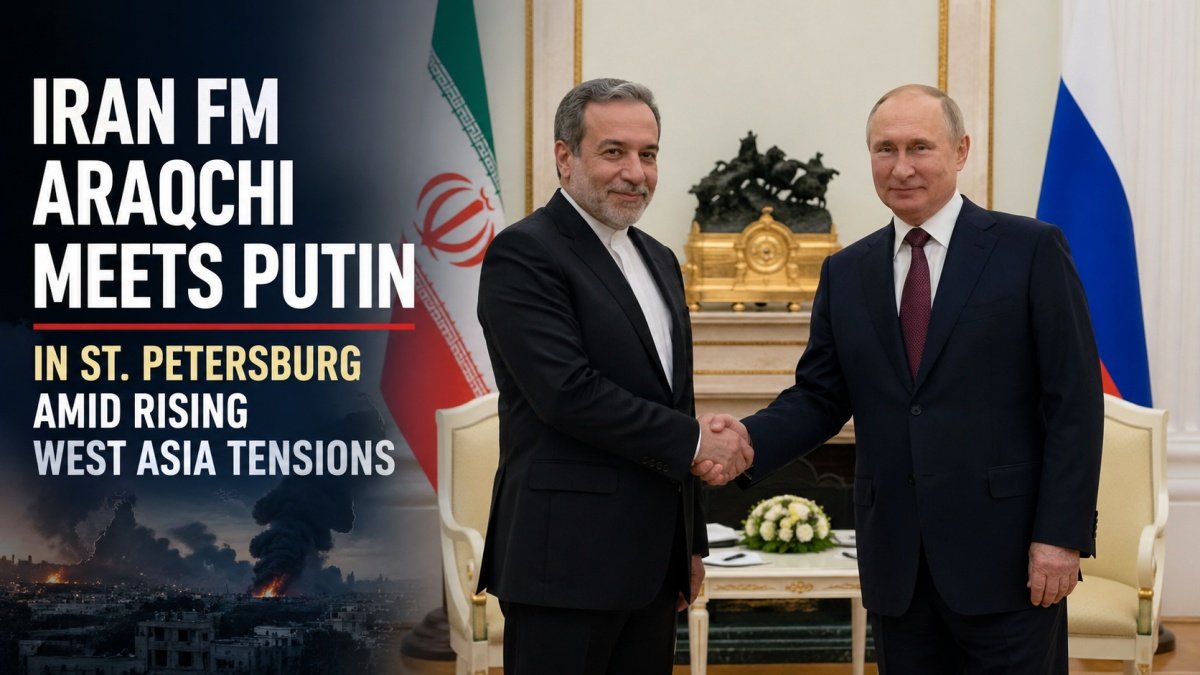
- High-Level Summit: Araqchi and Putin to meet in St. Petersburg this Monday to discuss bilateral security and Middle East stability.
- Diplomatic Marathon: The visit follows critical diplomatic missions to Pakistan and Oman, focusing on regional de-escalation.
- Strategic Partnership: Discussions centered on the deepening military and economic ties between Moscow and Tehran.
- U.S. Pressure: The meeting occurs against the backdrop of a hardline stance from the Trump administration and renewed sanctions threats.
- Mediation Efforts: Iran continues to utilize the “Oman Channel” for potential back-channel communication with Western powers.
Iranian Foreign Minister Abbas Araqchi arrived in St. Petersburg, Russia’s second-largest city, on Sunday, marking a significant escalation in Tehran’s diplomatic offensive. Today, Monday, April 27, 2026, Araqchi is scheduled for a private audience with President Vladimir Putin. This meeting is being closely monitored by global intelligence agencies, as it signifies a deepening of the Moscow-Tehran axis at a moment when the geopolitical architecture of West Asia is under extreme strain.
The visit is a calculated step in Araqchi’s broader regional tour, which recently saw him holding consultations in Islamabad and Muscat. By securing time with Putin, Iran seeks to project a unified front with a nuclear-armed superpower, signaling to the West that Tehran is far from isolated.
Strengthening the Moscow-Tehran Axis
According to Kazem Jalali, Iran’s Ambassador to Russia, the agenda for the Araqchi-Putin summit is comprehensive. Beyond immediate regional security, the two leaders are expected to finalize details regarding long-term economic corridors and military cooperation.
As the Trump administration intensifies its “Maximum Pressure 2.0” campaign, Iran views Russia as a vital economic lifeline. The two nations have moved closer in recent years, sharing technology and intelligence while bypassing Western-led financial systems. This meeting serves to reinforce these bonds, with IRNA, Iran’s state news agency, confirming that bilateral strategic agreements remain the top priority.
Navigating the “Trump Factor” and Regional Security
The timing of Araqchi’s visit is particularly sensitive given the current climate in Washington. With the U.S. administration adopting a more assertive posture in the Middle East, Iran is attempting to balance its “resistance” rhetoric with practical diplomacy.
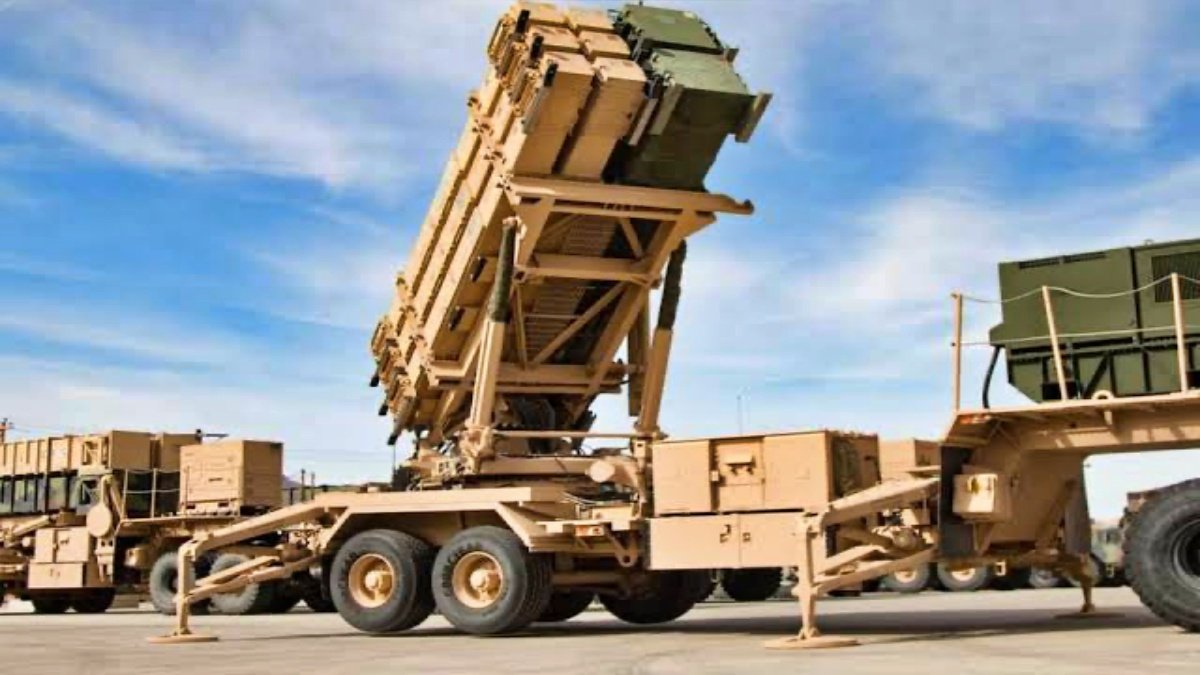
In Oman, Araqchi reportedly engaged in discussions aimed at keeping communication lines open with the U.S. to prevent a full-scale regional war. However, the visit to St. Petersburg suggests that while Tehran is open to dialogue, it is simultaneously shoring up its defenses. Experts suggest that Iran may be seeking advanced Russian defensive systems or specific diplomatic guarantees at the United Nations Security Council to counter potential Israeli or American strikes.
Global Implications and the Balance of Power
The St. Petersburg summit is not merely a bilateral affair; it is a message to the international community. For Russia, supporting Iran provides a counterweight to U.S. influence in the Middle East and secures a loyal partner in a volatile region. For Iran, the Russian endorsement provides the necessary leverage to negotiate from a position of perceived strength.
As Araqchi concludes his visit, the focus shifts to whether this alliance will lead to a formal defense pact or if it will simply serve as a temporary deterrent. Amidst reports of domestic instability in the U.S., including recent high-profile shooting incidents in Texas, Tehran appears to be capitalizing on perceived Western distractions to cement its standing within the “Eurasian” power bloc. The outcome of today’s talks will likely dictate the tempo of West Asian diplomacy for the remainder of the year.