


















Key Points
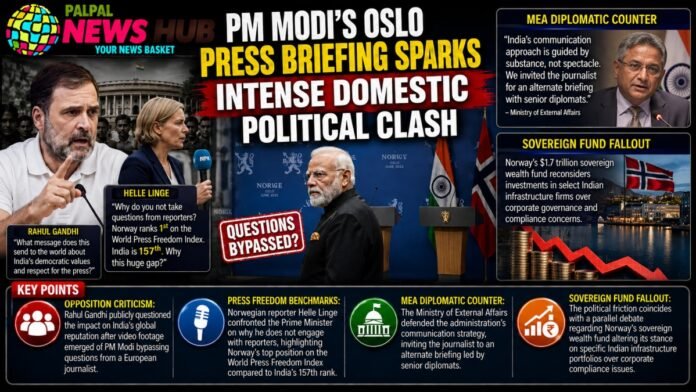
- Opposition Criticism: Rahul Gandhi publicly questioned the impact on India’s global reputation after video footage emerged of PM Modi bypassing questions from a European journalist.
- Press Freedom Benchmarks: Norwegian reporter Helle Linge confronted the Prime Minister on why he does not engage with reporters, highlighting Norway’s top position on the World Press Freedom Index compared to India’s 157th rank.
- MEA Diplomatic Counter: The Ministry of External Affairs defended the administration’s communication strategy, inviting the journalist to an alternate briefing led by senior diplomats.
- Sovereign Fund Fallout: The political friction coincides with a parallel debate regarding Norway’s sovereign wealth fund altering its stance on specific Indian infrastructure portfolios over corporate compliance issues.
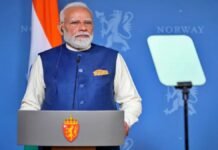
The political landscape intensified following Prime Minister Narendra Modi’s two-day bilateral visit to Oslo, Norway, which concluded on Tuesday evening. The visit, designed to strengthen Scandinavian trade ties, became a focal point for domestic political sparring after a joint press conference with Norwegian Prime Minister Jonas Gahr Støre concluded without a formal question-and-answer segment.
Sensing a major political opportunity, Congress MP and Leader of the Opposition in the Lok Sabha, Rahul Gandhi, launched a sharp critique via the social media platform X. Sharing a viral clip recorded by a local European reporter, Gandhi questioned the narrative weight of a “compromised” leadership avoiding unscheduled press scrutiny on foreign soil, asserting that a lack of administrative transparency naturally invites global skepticism.
Press Freedom Comparisons Highlight Oslo Standoff
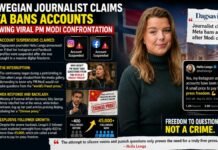
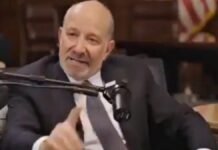
The core of the diplomatic controversy stemmed from an encounter involving veteran Norwegian journalist Helle Linge. As the two heads of state began to exit the podium after their formal joint statements, Linge directly called out to the Indian Prime Minister, asking why he consistently sidesteps questions from independent media outlets.
Following the muted response at the main venue, Linge shared the footage online, drawing stark comparisons between the domestic media environments of the two nations. She underscored that while Norway routinely occupies the absolute top spot on global press freedom audits, India currently rests at 157th place, putting it on a comparable statistical tier with countries like Cuba, the UAE, and territories under prolonged administrative conflict like Palestine.
Heated Exchanges at the Ministry of External Affairs Briefing
To control the escalating media narrative, the Indian Ministry of External Affairs (MEA) proactively stepped in, utilizing its digital platforms to invite Linge to a dedicated, high-level diplomatic press briefing organized by the Indian Embassy later that evening.
The alternate session, chaired by Sibi George, Secretary (West) at the MEA, quickly turned into a tense rhetorical standoff. When Linge explicitly raised concerns regarding institutional trust and human rights protections within contemporary India, the senior diplomat urged the international press corps to view India through the lens of a continuous 5,000, year, old civilization that has historically enriched global philosophy, governance, and democratic frameworks.
The exchange grew visibly strained when the reporter attempted to interject mid-response, leading Secretary George to firmly demand an uninterrupted floor to detail India’s multifaceted socio-economic updates, including historical healthcare mobilizations and cultural milestones. Following the briefing, European media representatives expressed dissatisfaction, claiming Indian officials systematically substituted direct answers on civil liberties with macro-level presentations detailing yoga initiatives, post-pandemic management, and technological growth metrics.