Key Developments in Beijing
- Diplomatic Surge: Abbas Araqchi and Wang Yi met to coordinate a ceasefire framework before President Trump visited China.
- China’s “Red Line”: Beijing declared that a return to hostilities is unacceptable at any cost, calling for permanent dialogue.
- Maritime Priority: Immediate restoration of safe passage through the Strait of Hormuz is now a primary global demand.
- Sanctions Friction: The U.S. Treasury has increased pressure on China over its ongoing purchase of 90 percent of Iranian energy exports.
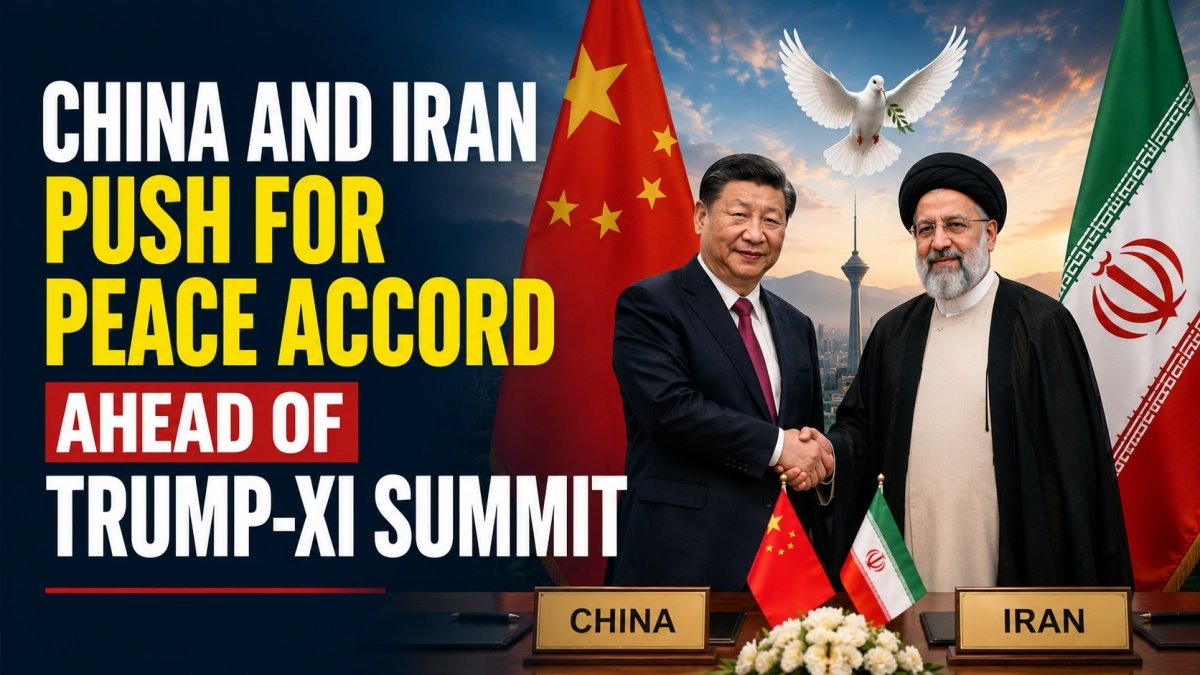
Amidst the heavy tensions in the Middle East and the conflict involving the U.S. and Israel versus Iran that began on February 28, significant movement is occurring in the diplomatic arena. On Wednesday, Iranian Foreign Minister Abbas Araqchi held a high-stakes meeting in Beijing with China’s top diplomat, Wang Yi. This meeting is a strategic precursor to U.S. President Donald Trump’s scheduled visit to China on May 14, a trip many experts believe could finalize a multi-point peace agreement.
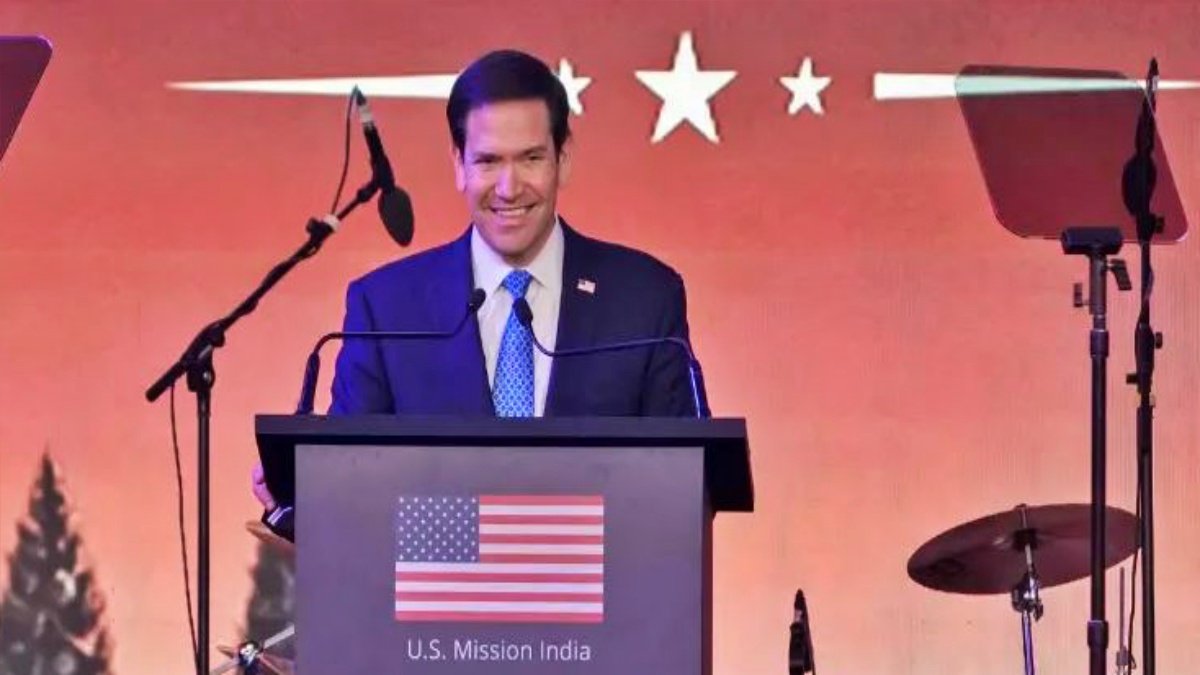
The discussions come as the offensive phase of the conflict, known as “Operation Epic Fury,” has officially transitioned to a defensive posture. U.S. Secretary of State Marco Rubio recently signaled that while the military campaign has met its primary objectives, the path to a lasting peace now rests on these trilateral diplomatic efforts between Washington, Tehran, and Beijing.
China’s Stance: No Return to War
China has positioned itself as a pivotal mediator, stating unequivocally that the situation has reached a point where peace must prevail. Beijing has emphasized that the fighting must come to a complete halt, asserting that under no circumstances, and at no cost, would a resumption of hostilities be deemed acceptable.
According to Chinese officials, the global economy cannot sustain further disruption to energy markets. The focus in Beijing is now on sustaining mutual dialogue to preserve the fragile ceasefire currently in place. China has also praised Iran’s recent pledge to forgo the development of nuclear weapons while maintaining its right to peaceful nuclear energy, a key pillar in the proposed 14-point peace memorandum.
Iran’s Dual Strategy: Defense and Diplomacy
Following the talks, Araqchi reinforced Tehran’s dual-track approach. He stated that while Iran remains fully prepared to defend its sovereignty and counter any further aggression, it is earnest in its pursuit of a “fair and comprehensive agreement” that safeguards its national interests.
A central component of these negotiations involves the Strait of Hormuz. China has urged all parties to immediately restore “normal and safe passage” through the waterway, which has been functionally blocked since early March. This aligns with President Trump’s “Project Freedom,” an operation designed to guide trapped merchant vessels through the corridor, though Tehran insists on a formal lifting of the naval blockade as part of any final deal.
The Trump-Xi Summit and Economic Pressure
The upcoming meeting between President Trump and President Xi Jinping remains the ultimate catalyst for peace. However, domestic and economic friction persists. U.S. Treasury Secretary Scott Bessent recently criticized China’s role, claiming that Beijing is effectively financing a state sponsor of terrorism by purchasing nearly 90 percent of Iran’s energy output despite standing sanctions.
Despite this rhetoric, the Trump administration has described the upcoming Beijing summit as a positive sign. As the 60-day War Powers deadline approaches for the U.S. administration at the end of this week, the pressure to transition from a ceasefire to a signed peace accord has never been higher. Both nations now look to the Geneva and Islamabad tracks to resolve the final technical points of the agreement.