

































Key Points
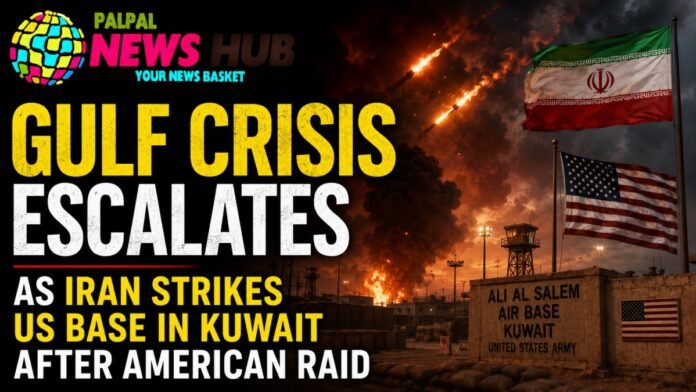
- Iran’s IRGC targeted U.S. military assets in Bahrain, Kuwait, Qatar, and the UAE in a sweeping retaliatory operation, with Ali al-Salem Air Base in Kuwait struck by ballistic missiles, all of which were intercepted by Kuwaiti air defenses.
- A drone also struck Kuwait International Airport, injuring several employees and causing material damage to the passenger terminal.
- Iran launched 97 ballistic missiles and 283 drones during the Kuwait phase of the operation alone, with 7 Kuwaiti soldiers killed and dozens wounded.
- Just hours after a ceasefire was announced, Israel launched its most powerful strikes on Lebanon, killing hundreds and wounding more than 1,000 people, straining the fragile truce.
- A later NBC News investigation revealed that damage to U.S. bases across the Gulf was significantly higher than initially disclosed publicly.
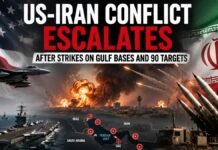
The conflict began on February 28, 2026, with U.S. and Israeli strikes on Iranian targets, followed within hours by coordinated Iranian retaliation across U.S. bases in the Gulf. Within the first days, attacks were executed across seven Gulf countries, while U.S. personnel had already been dispersed from fixed sites, reducing casualty exposure but leaving infrastructure fully exposed.
The IRGC Counter-Strike in Kuwait
Iranian ballistic missiles were intercepted over Ali Al-Salem Air Base in Kuwait, a facility hosting U.S. Air Force personnel and coalition forces. Fragments and debris from intercepted missiles fell near the base, the Kuwaiti army confirmed.
CBS News reported that 15 U.S. service members were injured in the drone attack on Ali Al-Salem Air Base. Beyond the air base, an Iranian drone struck Camp Buehring in northeastern Kuwait, and a later investigation revealed that an Iranian F-5 fighter jet had penetrated the multi-layered defenses of the camp and conducted a successful bombing run, exploiting a 120-second window in the air defense coverage.
Italy’s foreign minister confirmed that the strikes caused significant damage to the runway at Ali al-Salem, which also hosts Italian Air Force personnel.
The Gulf-Wide Retaliation
Kuwait was not alone. Iran simultaneously targeted military assets in Bahrain, Qatar, and the UAE. In Qatar, the Defense Ministry said it thwarted all attacks in accordance with a pre-approved security plan, intercepting all incoming missiles before they reached Qatari territory.
An assessment by the American Enterprise Institute found that Iranian forces also struck a runway at Al Udeid Air Base in Qatar and an ammunition storage facility in northern Iraq.
In the UAE, Iranian ballistic missiles and drones targeted American assets, resulting in 3 civilian deaths, including Pakistani, Nepali, and Bangladeshi nationals, and 58 others were injured.
Israel Hits Lebanon Simultaneously
On April 8, 2026, shortly after a ceasefire to the 2026 Iran war was announced, Israel launched what it described as its “most powerful attacks” on Lebanon, killing at least 357 people and wounding 1,223 others.
Iran sharply criticized the strikes, warning they could undermine ongoing negotiations. Iranian President Masoud Pezeshkian called the attacks a violation of the ceasefire and said continued Israeli aggression would render peace talks meaningless.
The United States and Israel maintained that the ceasefire applied only to direct U.S.-Iran hostilities, while Iran insisted Lebanon must be included. Under U.S. pressure, Israel eventually agreed to a 10-day ceasefire with Hezbollah beginning April 17.
The Broader Stakes
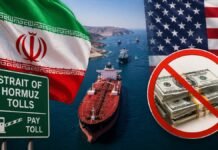
The conflict left enormous damage across the region, with thousands killed in Iran and Lebanon, dozens dead in Israel and Gulf states, and millions displaced, including more than one-sixth of Lebanon’s population. The danger of crossfire and Iranian threats in the Strait of Hormuz led to severe disruption of global oil shipping, causing fuel shortages across parts of Asia and rippling economic effects worldwide.
As of May 2026, a Pakistan-mediated ceasefire is technically in place, but violations on both sides continue, and the path to a permanent settlement remains uncertain.