































Key Highlights
- Mission Halted: “Project Freedom” is paused just days after launch to allow time for final negotiations with Tehran.
- Offensive Phase Ends: Secretary of State Marco Rubio confirmed that “Operation Epic Fury,” the primary military campaign against Iran, has concluded.
- Market Impact: Global oil prices dropped sharply, with U.S. crude (WTI) falling 2.18% to settle at $100.04 per barrel.
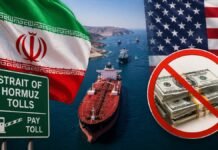
- UN Ultimatum: The United Nations has drafted a resolution demanding Iran reveal the locations of sea mines and cease “illegal toll” collection.
- Blockade Remains: Despite the pause in ship escorts, the U.S. naval blockade of Iranian ports will stay in full effect.
In a move that has sent ripples through global markets and diplomatic circles, President Donald Trump has announced the temporary suspension of “Project Freedom.” The operation, which was initiated on May 4, 2026, aimed to provide a safe corridor for approximately 1,600 commercial vessels and 22,500 mariners currently trapped in the Gulf of Hormuz.
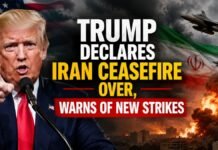
Trump stated that the decision followed specific requests from Pakistan and other regional partners, as well as “tremendous military success” that has brought Iranian representatives to the negotiating table. The President emphasized that the U.S. is pursuing a “complete and final agreement” to end the hostilities that began earlier this year.
The Conclusion of ‘Operation Epic Fury’
Adding to the de-escalation narrative, U.S. Secretary of State Marco Rubio formally announced the termination of “Operation Epic Fury.” Rubio clarified that the offensive stage of the conflict is over and that the U.S. has achieved its primary strategic objectives. “We’re done with that stage of it,” Rubio remarked during a White House briefing, noting that the U.S. posture has shifted from offensive strikes to a defensive, humanitarian-focused mission.
However, the administration remains firm on security. While the evacuation effort is paused, the strict U.S. blockade of Iranian ports remains active. Defense officials noted that F-16 fighter jets continue constant patrols to ensure that the fragile ceasefire is not violated. Trump issued a blunt warning to Tehran, asserting that the Iranian Navy has been effectively neutralized, with the U.S. recently destroying seven Iranian patrol boats that threatened commercial transit.
Global Economic and Humanitarian Response
The news of a potential peace deal provided immediate relief to volatile energy markets. The price of U.S. crude oil fell by approximately $2.23, or 2.18%, to $100.04 per barrel. Traders are closely watching the Strait, which remains the world’s most sensitive oil chokepoint, for any signs of a permanent reopening.
The humanitarian situation, however, remains dire. The United Nations has confirmed the deaths of at least 10 civilian sailors due to the conflict and the subsequent maritime gridlock. In response, a stern UN resolution has been drafted, giving Iran an ultimatum: cease the harassment of vessels and the collection of illegal tolls immediately. Crucially, the UN is demanding that Iran share the coordinates of all sea mines planted during the conflict. Failure to comply could lead to a new wave of international sanctions, even as the U.S. explores a diplomatic exit from the war.
Political Tension and Regional Security
The shift in strategy comes at a time of internal unrest within Iran. President Trump commented on the domestic situation in Tehran, suggesting that while the Iranian people are eager for change, their lack of resources makes organized protest difficult.
As U.S. envoys, including Jared Kushner and Steve Witkoff, continue to navigate complex negotiations, the world remains on edge. The U.S. maintains that any final deal must ensure that Iran can never possess a nuclear weapon and that freedom of navigation in the Strait of Hormuz is permanently restored under international law.