































Key Highlights
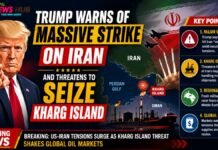
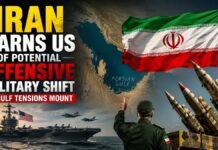
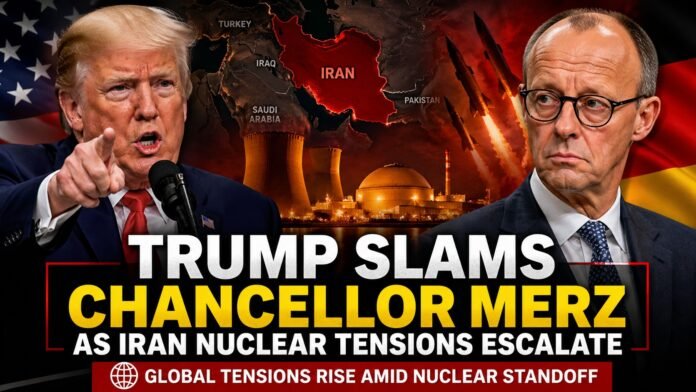
- Nuclear Warning: Trump characterizes Iran’s nuclear program as an imminent, “massive crisis” requiring swift intervention.
- Diplomatic Rift: The President attacked Chancellor Friedrich Merz on social media, accusing Germany of strategic negligence.
- Exit Strategy Concerns: Chancellor Merz warned that the U.S. lacks a clear plan to conclude the escalating maritime conflict.
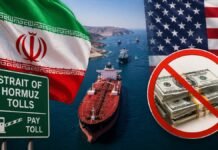
- Economic Threat: Iranian naval mines in the Strait of Hormuz continue to jeopardize the global oil supply and energy stability.
- Strategic Shifts: The U.S. administration asserts it is taking “necessary actions” that previous leaders avoided.
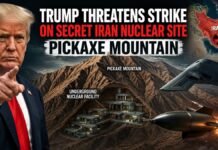
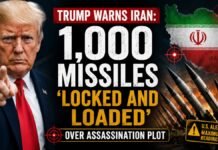
President Donald Trump has issued a series of stern warnings regarding global security, framing Iran’s nuclear ambitions as the most significant peril facing the modern world. In a recent statement, the President asserted that the threat of a nuclear-armed Iran has reached a tipping point, necessitating immediate and decisive measures to prevent a “grave catastrophe” for the international community.
The rhetoric escalated further when Trump took to social media to directly challenge German Chancellor Friedrich Merz. The President alleged that Merz’s administration maintains a dangerously relaxed view of Tehran’s capabilities, claiming the Chancellor believes a nuclear Iran is “neither a major problem nor a cause for concern.” Trump dismissed this mindset as fundamentally flawed, stating that such perceived negligence places global peace in immediate jeopardy.
Friction Between Washington and Berlin
The diplomatic fallout highlights a deepening divide within the NATO alliance. Trump leveled harsh criticism at Germany’s broader domestic performance, claiming the country is failing in both economic and strategic spheres. This friction follows Chancellor Merz’s public skepticism regarding the current U.S. military posture in the Middle East.
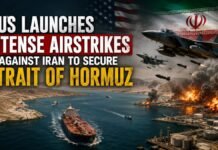
On Monday, Chancellor Merz observed that the United States appears to lack a visible exit strategy from its ongoing, high-stakes confrontation with Iran. Merz admitted to the international community that Iran has proven to be “far more cunning and powerful” than initial intelligence suggested. He specifically highlighted the reported deployment of naval mines in the Strait of Hormuz, a move that has paralyzed key shipping lanes and sent shockwaves through the global energy market.
The Revolutionary Guard and Global Security
Concerns are mounting globally regarding the unconventional tactics of Iran’s Revolutionary Guard. The U.S. administration maintains that strict, timely curbs on Tehran are essential for maintaining global order, regardless of the skepticism from European allies. Trump’s stance suggests that the United States is prepared to act unilaterally, taking steps he claims should have been implemented by previous administrations years ago.
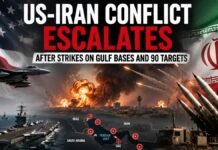
As the situation in the Persian Gulf remains volatile, the international community is closely watching for the next move from Western powers. With the global economy reeling from inflated oil prices and the specter of a broader military conflict, the tension between Trump’s “America First” security doctrine and Merz’s call for strategic clarity has created a significant rift in the Western response to Iranian aggression.
Context of the Crisis
The timing of these statements is particularly sensitive, coming just days after the shooting incident at the White House Correspondents’ Dinner on April 25, 2026. The administration has since adopted a more aggressive security posture, linking domestic stability to the elimination of external threats. As the November midterm elections approach, the President’s handling of the Iran crisis and his public disputes with European leaders like Merz are expected to remain central to the national political discourse.