Key Highlights
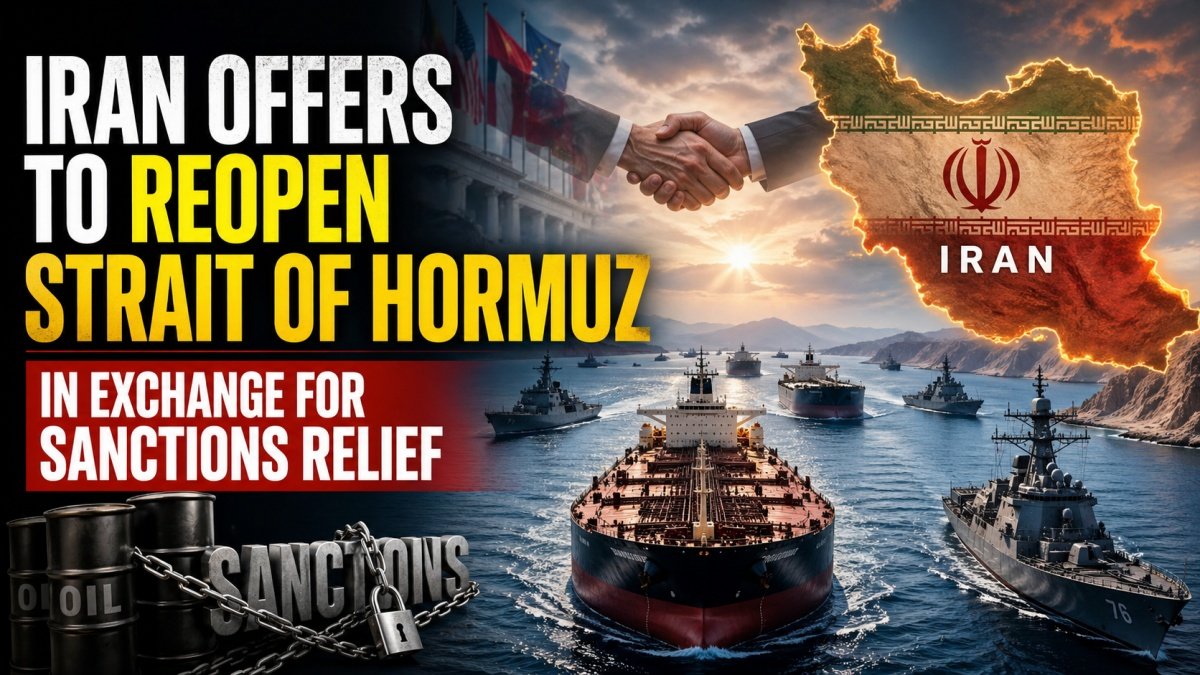
- Strategic Proposal: Iran offers to end its chokehold on the Strait of Hormuz, a corridor carrying 20% of global oil.
- Economic Demands: Tehran requires the removal of U.S. sanctions and the naval blockade on Iranian ports before nuclear talks resume.
- Diplomatic Shuttle: FM Abbas Araghchi has completed his third visit to Islamabad in 48 hours to finalize the mediation framework.
- UN Intervention: Secretary-General António Guterres has called for a “toll-free” waterway, rejecting any discriminatory maritime practices.
- White House Review: President Trump and Secretary of State Marco Rubio are evaluating the plan, with Trump suggesting “telephone diplomacy” to accelerate the process.
Amidst a flurry of shuttle diplomacy, Iranian Foreign Minister Abbas Araghchi arrived in Pakistan on Tuesday, marking a critical juncture in the 2026 regional crisis. This visit, his third to Islamabad in just two days, follows high-level consultations in Russia and Oman. The frequency of these trips underscores Pakistan’s evolving role as the primary intermediary between Tehran and Washington.
The new proposal delivered through these channels suggests a potential breakthrough. Iran has signaled a willingness to restore normal traffic through the Strait of Hormuz, the world’s most vital energy artery. However, this concession is strictly conditional; Tehran demands the lifting of the U.S. naval blockade that has paralyzed its oil exports and pushed its domestic storage capacity to a critical 13-day limit.
UN and Global Energy Security
The international community has watched the escalating maritime standoff with growing alarm. UN Secretary General António Guterres recently issued an urgent appeal for the Strait to remain “completely open” to all nations. Guterres emphasized that international law mandates a corridor free of tolls, hindrance, or discriminatory practices.
His statement comes as global oil prices have surged toward $108 per barrel, triggered by the ongoing hostilities. The UN’s position aligns with the global demand for a return to trade normalcy, though the Secretary General noted that any lasting resolution requires “confidence-building” measures between the two primary adversaries.
The Trump Administration’s Stance
In Washington, the White House confirmed that President Donald Trump is reviewing the Iranian framework with his national security team. While the proposal offers a path to de-escalation, it controversially suggests postponing nuclear negotiations to a later date. Secretary of State Marco Rubio has already expressed skepticism, particularly regarding reports that Iran may seek to normalize a system of “tolls” for passage through the waterway. Rubio asserted that the U.S. will not tolerate a regime where Tehran dictates who uses international waters.
President Trump has maintained a characteristic approach to the negotiations, suggesting that instead of lengthy diplomatic missions, a “telephone conversation” could settle the remaining disputes. Trump noted that he chose this direct option over sending a delegation on a 17, hour flight, though he warned that “all options remain open” if the proposal fails to meet U.S. security standards.
Context of the Conflict
The current crisis follows the failure of earlier indirect talks and the 2025 “snapback” sanctions triggered by European powers. For Iran, the stakes are existential. With its oil wells facing permanent damage if production is forced to shut down due to the blockade, the “Hormuz for Sanctions” deal represents its most significant diplomatic gamble to date. The world now waits to see if the White House will accept a deal that restores energy flow but delays the contentious issue of nuclear enrichment.