
































Key Points
- The Iranian Foreign Ministry has canceled its delegation to the Pakistan-mediated summit, effectively stalling the peace process.
- Tehran cited the U.S. seizure of an Iranian-flagged vessel as a direct act of aggression that violates the spirit of the ceasefire.
- The withdrawal occurred just hours after the Trump administration confirmed it was sending a high-level team to Islamabad.
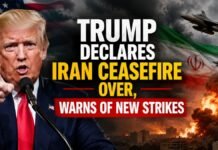
- Iran has placed its military on “full alert,” warning of a forceful response to any further U.S. or Israeli provocations.
- Pakistan, serving as the primary mediator, has been formally notified of the breakdown in talks.
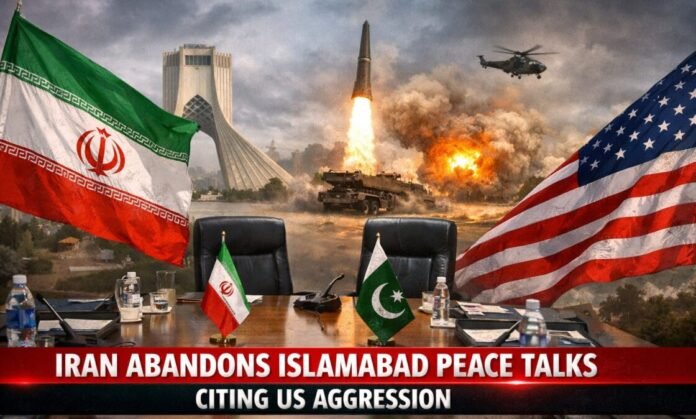
The fragile hopes for a diplomatic resolution to the conflict in West Asia suffered a major blow on Monday, April 20, 2026, when Iran officially pulled out of scheduled peace talks with the United States. The Iranian Foreign Ministry announced that its delegation would no longer travel to Islamabad, the Pakistani capital, for the summit that many regional observers had hoped would provide a pathway to a permanent ceasefire.
The Catalyst: The Strait of Hormuz Seizure
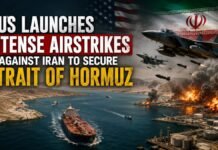
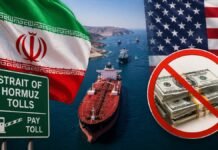
During a tense press briefing on Monday, Iranian Foreign Ministry spokesperson Ismail Baghaei clarified that the decision was a direct response to recent U.S. military maneuvers. Specifically, Tehran pointed to the seizure of an Iranian-flagged cargo vessel in the Strait of Hormuz by U.S. naval forces. According to Baghaei, this action constitutes a “clear act of aggression” and proves that Washington has no genuine interest in a peaceful settlement.
“Washington is playing a double game,” Baghaei stated, adding that the U.S. is merely using the facade of diplomacy to mask its ongoing military hostilities. The spokesperson alleged that the U.S. has been in consistent violation of the ceasefire terms since they were first discussed, treating the negotiations as a “blame game” rather than a sincere effort to end the war.
A Blow to International Mediation
The timing of Iran’s exit has caused significant embarrassment for the U.S. administration. The announcement came only hours after President Donald Trump confirmed that a high-level American team was being dispatched to Islamabad to engage in the talks. By withdrawing at the eleventh hour, Iran has effectively seized the narrative on the international stage, claiming that the U.S. is repeating the political errors of the past.
Pakistan, which has invested significant diplomatic capital into mediating the conflict, now finds itself in a precarious position. Tehran confirmed it has briefed Pakistani officials on the specific “ceasefire violations” that led to its withdrawal, though the mediation team in Islamabad has yet to issue a formal response to the sudden collapse of the roadmap.
Military Escalation and Regional Fallout
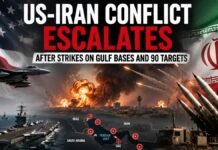
Beyond the diplomatic vacuum, the situation on the ground remains highly volatile. While closing the door on dialogue, the Iranian Foreign Ministry emphasized that the nation’s military preparedness has reached a new peak. The ministry warned that the Iranian military is ready to deliver a “forceful and fitting” response to any further military action by the United States or Israel.
With the Islamabad talks now in a state of indefinite suspension, the economic and geopolitical stakes continue to rise. As the conflict nears the end of its second month, the absence of a diplomatic channel leaves the region on a knife-edge, with global energy markets bracing for a potential escalation in the Strait of Hormuz.