FIR Filed Against CJP Activists for Gathering Without Permission at Meenatai Thackeray Memorial
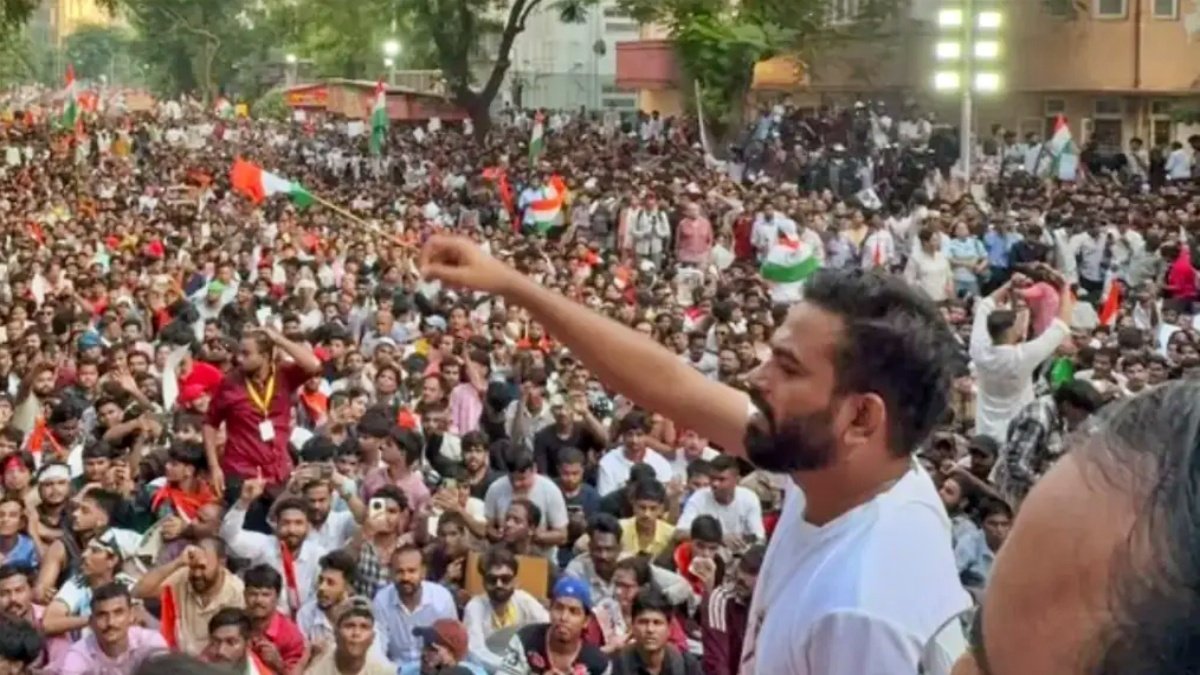
The Mumbai Police have registered a case against several members and supporters of the Civic Youth Front (CJP) following an unauthorised protest held outside the Meenatai Thackeray Memorial at Gate No. 6, Shivaji Park, Dadar West. According to official records, between 4 PM and 7 PM, approximately 400 to 500 unidentified individuals assembled on a public road, raised slogans, and used loudspeakers without obtaining prior permission violating local civic and police regulations.
The Shivaji Park Police Station filed an FIR naming 10 prominent CJP members, including:
Ajinkya Shinde
Pranay Ahire
Ashutosh Ranka
Abhijit Dipke
Sourav Das
Afreen Nawaz
Saumya Korde
Ankit Bhardwaj
Vijay Malangi
Yogesh Ingle
The protest, which unfolded amid heightened security and barricades across Dadar, was alleged to have created a law-and-order disturbance. Police state that the gathering occurred without notification or clearance, and that the use of loudspeakers without municipal or police approval was a violation of public order norms.
Legal Action Under BNS & Maharashtra Police Act
The case has been registered under Sections 189(2) and 223 of the Bharatiya Nyaya Sanhita (BNS) dealing with public unrest and unlawful assembly — as well as Sections 57(1), 37(5), and 135 of the Maharashtra Police Act, which cover unauthorized gatherings and use of public spaces without permission.
These charges reflect the police’s formal stance that the protest, while peaceful in intent, breached legal protocols regarding public assembly and noise control. The case is currently under investigation.
Abhijit Dipke’s Defiant Response
Following the registration of the FIR, Abhijit Dipke, the founder of CJP, issued a firm statement. He said:
“No matter how many cases are filed against us, we will continue our fight to save our democracy.”
Dipke’s message was clear: the movement is not about provocation, but about preserving the democratic right to protest and hold institutions accountable especially in the context of electoral integrity.
“Jail Bharo” Movement: Season 2 of the Democracy Defense Campaign
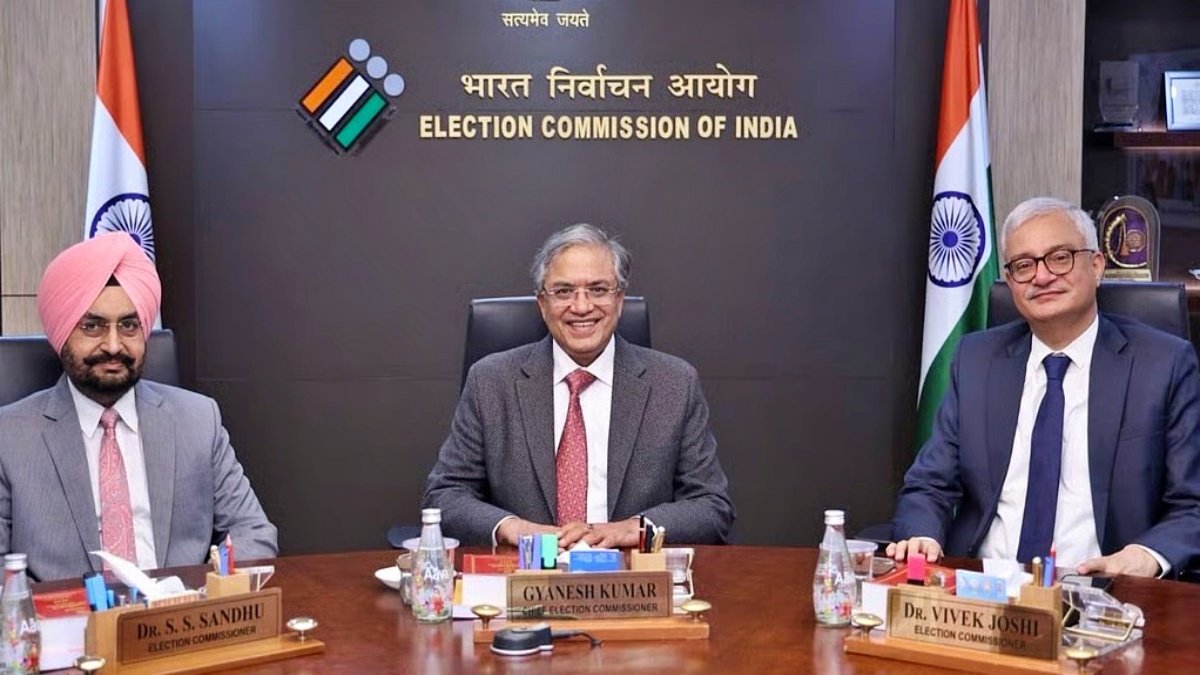
This protest was part of the CJP’s ongoing “Jail Bharo” (Fill the Jails) movement, which they have rebranded as “Season 2” a direct response to what they describe as a “crisis in electoral governance”. The primary demand is the immediate resignation of Chief Election Commissioner Gyanesh Kumar, citing alleged internal conflicts and administrative overreach within the Election Commission.
Protesters raised slogans targeting the central government, the Election Commission, and the Maharashtra state government, accusing them of undermining democratic processes. The movement was not merely symbolic it was framed as a constitutional defense, emphasizing the right to assemble, speak, and demand accountability.
Public Support from Intellectuals and Bollywood
The protest drew a wide spectrum of public support, including prominent intellectuals, social activists, and Bollywood celebrities. Many attended in person, underscoring the movement’s resonance beyond political circles.
Notable attendees included:
Shabana Azmi
Naseeruddin Shah
Vishal Dadlani
Prakash Raj, who delivered a message urging citizens to “protect our institutions, not just vote for them.”
Their presence lent moral and cultural weight to the movement, framing it as a defense of voting rights, transparency, and civic participation — not as a political attack.
Abhijit Dipke’s Direct Attack on the Government
At the rally, Dipke launched a pointed critique of top political and administrative figures. He addressed Prime Minister Narendra Modi, Union Home Minister Amit Shah, Chief Election Commissioner Gyanesh Kumar, and Maharashtra CM Devendra Fadnavis, accusing them of “sabotaging public trust” and “ignoring the people’s right to question.”
In a particularly charged moment, he challenged Fadnavis’s earlier warning that the CJP would be jailed for “just three days,” retorting:
“Had you said three months, the entire city of Mumbai would have come to a complete standstill.”
This rhetorical jab underscored the movement’s belief that the state’s response is disproportionate and that the real threat to democracy lies not in the protest, but in the institutional silence or complicity of those in power.
What’s Next?
The case against CJP is likely to be one of several legal actions targeting activist groups in Maharashtra. As the movement continues, it will be watched closely by civil society, political parties, and the judiciary especially if the “Jail Bharo” slogan becomes a national rallying cry.
For now, the Mumbai Police have secured a formal legal record. But whether this will deter the CJP or galvanize wider public participation remains to be seen.
Verification Note:
All names, dates, and quotes are based on official police FIR and CJP public statements. No independent verification of on-ground events or specific claims by CJP was available at time of publication.