


































Key Points
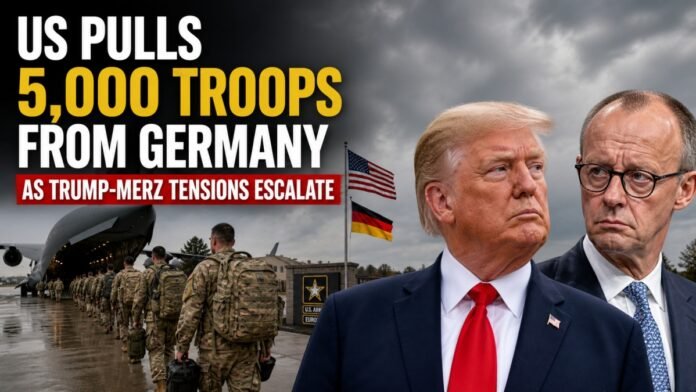
- Troop Reduction: The Pentagon will withdraw 5,000 troops, bringing U.S. presence in Germany down from approximately 35,000.
- Diplomatic Catalyst: The decision follows a public dispute regarding Germany’s stance on the ongoing conflict with Iran.
- Timeline: The withdrawal process is scheduled for completion within the next six to twelve months.
- Strategic Reversal: This move effectively rolls back the military surge initiated by the Biden administration following the 2022 invasion of Ukraine.
- NATO Impact: The reduction targets one of the most vital U.S. military hubs in Europe, raising concerns about regional security.
In a move that has sent shockwaves through the North Atlantic Treaty Organization, the U.S. Department of Defense confirmed on Friday that it is moving forward with a plan to reduce its military footprint in Germany. The withdrawal of 5,000 troops represents a sharp pivot in American foreign policy, directly targeting a key European ally during a period of heightened global instability.
A War of Words: The Trump-Merz Dispute
The immediate cause of the withdrawal centers on a heated exchange between President Donald Trump and German Chancellor Friedrich Merz. The friction peaked on Monday when Merz publicly addressed the two-month-old conflict in Iran. The Chancellor suggested that Iran was successfully “humiliating” the United States during the current negotiations, a remark that drew immediate fire from the White House.
President Trump responded with characteristic bluntness, advising Merz to direct his focus toward the Russia-Ukraine war and domestic German issues rather than American negotiations in the Middle East. The President asserted that Germany should prioritize “fixing its own country” before critiquing U.S. strategic maneuvers.
Strategic Implications and the Strait of Hormuz
Beyond the personal rhetoric, deeper strategic frustrations have been simmering for months. President Trump has frequently criticized NATO members, particularly Germany, for what he perceives as a lack of shared responsibility. A primary point of contention involves the Strait of Hormuz, where the U.S. has demanded greater European naval presence to keep vital shipping lanes open during the Iran crisis.
Pentagon officials echoed these frustrations on Friday, describing Germany’s recent rhetoric as “highly inappropriate.” The official statement clarified that the troop reduction is a “fitting response” to the current diplomatic climate, signaling that U.S. military support is contingent on mutual respect and shared burden-bearing.
Reverting to Pre-2022 Posture
The withdrawal marks a definitive end to the era of U.S. military expansion in Europe that began in 2022. Following Russia’s invasion of Ukraine, the Joe Biden administration significantly increased troop levels to reassure allies and bolster the eastern flank. By withdrawing 5,000 personnel, the U.S. is returning its presence to pre-war levels, despite the ongoing conflict in Ukraine.
Germany currently serves as the backbone of U.S. operations in Europe, hosting the largest American military base on the continent and serving as a critical logistics and training hub. While 30,000 troops will remain, the loss of 5,000 personnel is expected to hamper joint training exercises and logistically complicate NATO’s rapid response capabilities. As the withdrawal begins over the next six to twelve months, European leaders are left to grapple with the reality of an increasingly transactional transatlantic alliance.