




























Key Crisis Response Measures
- Fuel Restraint: Citizens are urged to reduce petrol and diesel consumption by using public transport, carpooling, and electric vehicles.
- Economic Self-Defence: The Prime Minister advised postponing gold purchases, particularly for weddings, and avoiding non-essential foreign travel for one year.
- Remote Work Revival: A call to resume COVID-era practices, including work from home, virtual meetings, and online classes to lower energy demand.
- Household Savings: Recommendation to cut cooking oil usage by 10% and reduce dependence on chemical fertilizers through natural farming.
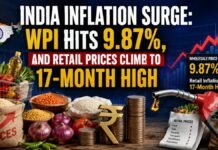
- Market Impact: The appeal follows Brent crude jumping to $105.7 a barrel and the Indian Rupee sliding past 95 per dollar.
Prime Minister Narendra Modi has intensified his call for national economic resilience, appealing to the public for a second time within 24 hours to adopt a lifestyle of “economic self-defence.” Speaking from Hyderabad and subsequent engagements, the Prime Minister framed the current global turmoil as a moment for “Civic Satyagraha,” where personal convenience must be secondary to national interest.
The Prime Minister emphasized that patriotism in 2026 is defined not just by those at the borders, but by citizens fulfilling their duties at home. This includes a strategic reduction in the consumption of imported resources to protect India’s foreign exchange reserves, which have come under significant pressure due to the escalating war in West Asia.
Reviving Pandemic, Era Protocols
Central to the Prime Minister’s strategy is the re-adoption of digital infrastructure developed during the COVID,19 pandemic. PM Modi urged businesses and educational institutions to transition back to remote working and online learning wherever possible. “We became habituated to virtual meetings and video conferencing during the pandemic,” the Prime Minister noted, “and the need of the hour is to resume those methods to drastically cut down on daily commuting and fuel waste.”
In addition to workplace shifts, the government is pushing for a total transition in urban mobility. Residents in cities with metro connectivity are encouraged to prioritize public transit over private vehicles, while those using personal cars are urged to carpool or maximize the use of electric vehicles (EVs).
Economic Safeguards and Regional Context
The urgency of these measures is underscored by a volatile geopolitical landscape. Following a stalemate in peace talks between the United States and Iran, oil supply chains through the Strait of Hormuz have faced severe disruptions. With India importing nearly 85% of its crude oil requirements, the spike in Brent crude to over $105 per barrel poses a direct threat to domestic inflation and the current account deficit.
To mitigate this, PM Modi has made the unconventional request for citizens to stop buying gold for at least a year. By reducing the demand for gold and luxury foreign travel, the government hopes to curb the outflow of foreign currency and stabilize the Rupee, which recently crossed the 95 mark against the US Dollar.
Political Reaction and National Outlook
The Prime Minister’s call for austerity has drawn sharp criticism from the opposition. Leader of the Opposition Rahul Gandhi described the appeal as “proof of failure,” arguing that the government is shifting the burden of economic management onto the public to escape accountability.
Despite the political friction, the Ministry of Finance and the PMO remain focused on “Bhakti” toward national self-reliance. As India navigates the economic fallout of the West Asia crisis, the government continues to lay foundation stones for renewable energy projects, aiming to reach a 500 GW capacity by 2030 to ensure long-term energy independence.