































Key Points
- Mandatory Tolls: All foreign vessels must now pay transit fees, specifically in Iranian Rials, to use the secure maritime zone.
- Central Bank Deposit: The first revenue installment was received in cash currency, dispelling rumors of a cryptocurrency-only system.
- Vessel Seizures: Iranian authorities have detained two ships for toll violations as part of a broader push to enforce maritime sovereignty.
- U.S. Tensions: Officials claim U.S. naval forces have retreated 200 kilometers following Iran’s intensified defensive measures and transit controls.
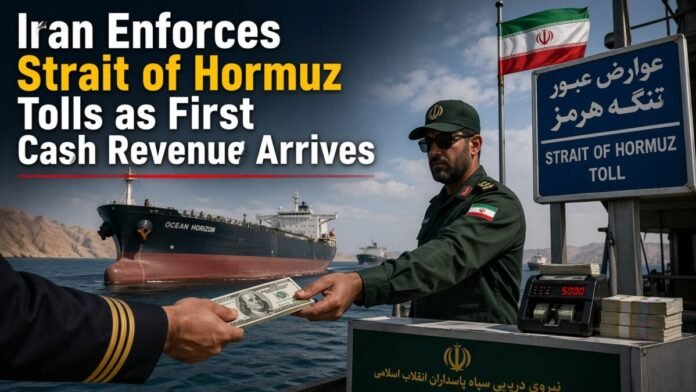
Tehran has transitioned its geopolitical leverage into a direct economic asset by implementing a mandatory toll system for foreign vessels transiting the Strait of Hormuz. This initiative, launched amidst a high-stakes standoff with the United States and a regional naval blockade, represents a significant escalation in Iran’s efforts to control maritime traffic. The Central Bank of Iran (CBI) has officially confirmed that the first round of these “security fees” has been processed and deposited into state accounts.
While early speculation suggested Tehran might utilize digital assets to bypass international sanctions, the CBI clarified that the first payment was received entirely in cash currency. Reports from state-run media outlets indicate that the fees are calculated based on cargo type, volume, and perceived “risk level,” with some industry estimates suggesting costs as high as $2 million per passage.
Sovereignty and the Rial Mandate
Hamidreza Hajibabaei, the Deputy Speaker of Parliament, addressed a public gathering in Kuhdasht to emphasize that the Iranian people hold the “sole and legitimate rights” over the waterway. He stated that the tolls must be settled exclusively in Iranian Rials, framing the tax as a justifiable fee for providing a secure passage within Iran’s territorial waters.
Approximately 20 percent of global oil and 35 percent of global natural gas transit through this vital channel, giving Tehran immense influence over the global economy. Hajibabaei asserted that no foreign nation has the right to interfere in these regulations, which Iran views as a fundamental exercise of national sovereignty.
Defiance of U.S. Naval Pressure
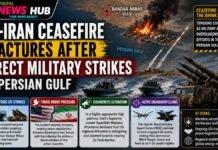
The toll implementation comes during a period of intense military friction. Following the collapse of recent peace negotiations in Islamabad, the U.S. military has maintained a naval blockade, known as “Operation Epic Fury,” aimed at isolating Iranian ports. However, Hajibabaei issued a stern warning, declaring that should Washington continue its “aggressive policies,” no vessel would be permitted to pass through the strait.
Iranian military commands have further claimed that their defensive posturing has forced U.S. warships to maintain a distance of at least 200 kilometers from the strait’s core transit lanes. To date, two vessels have been detained for failing to comply with the new regulations, serving as a warning to other international shipping firms.
Economic Resilience and Global Impact
Despite the ongoing blockade and international scrutiny, Tehran claims to have successfully exported over 10 million barrels of oil from the region in recent weeks. The transformation of the crisis into a revenue-generating mechanism underscores Iran’s strategy of “maximum resistance.” By controlling the opening and closing of newly established routes, such as the Larak Corridor, and taxing foreign commerce, Iran is positioning itself as the primary regulator of a route that remains vital to global energy security.
The international community remains watchful as these developments threaten to further destabilize global energy prices, which have already seen significant volatility due to the ongoing naval standoff.