






























Key Points
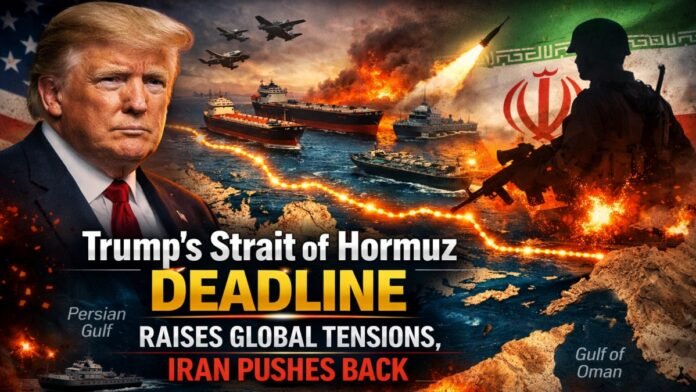
- Ultimatum: Iran must reopen the strategic maritime route by Tuesday evening or face “Power Plant Day” and “Bridge Day.”
- Targeted Infrastructure: Trump threatened to eliminate Iran’s energy grid and transportation networks, citing a recent bridge strike as a precursor.
- Economic Stakes: The closure has pushed Brent crude to $109 a barrel and severely disrupted global fertilizer supplies, particularly impacting India.
- Iranian Response: Tehran has dismissed the threats as “unbalanced” and “war crimes,” demanding transit tolls to cover war damages before reopening the waterway.
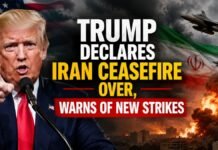
In a series of aggressive social media posts and interviews on Sunday, President Donald Trump clarified a strict timeline for military escalation against Iran. Speaking with The Wall Street Journal, Trump asserted that if the Strait of Hormuz is not operational by Tuesday at 8:00 PM Eastern Time, the United States will launch strikes designed to cripple Iran’s civilian infrastructure.
“In Iran, Tuesday will be ‘Power Plant Day’ and ‘Bridge Day.’ Both will occur on the same day,” Trump wrote, using characteristically blunt language. He warned that the Islamic Republic would “live in hell” if the waterway remained closed, stating that the country would be left with neither a functioning power plant nor a safe bridge.
Context of the Conflict
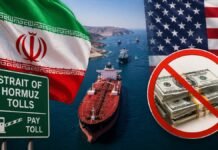
The current standoff is the latest peak in a conflict that intensified on February 28, 2026, following joint U.S., Israeli strikes. Since then, Iran has effectively blocked the Strait of Hormuz, a chokepoint through which approximately 20% of the world’s oil and 30% of its ammonia-based fertilizer transit.
The threat is not merely rhetorical. Last Thursday, U.S. forces destroyed the “B1” bridge, an Iranian engineering marvel, an act Trump later told Axios was a response to Iran not being “serious” about negotiations.
Global Economic Fallout
The prolonged closure is sending shockwaves through global markets,
- Energy: Brent crude hit $109 per barrel this week, while U.S. gas prices have climbed to an average of $4.10 per gallon.
- Agriculture: India is facing a critical shortage of urea and phosphate fertilizers just ahead of the monsoon season. The Indian Farmers Fertiliser Cooperative (IFFCO) has already reported output cuts due to surging liquefied natural gas (LNG) prices.
- Stagflation: Economists warn that continued disruption could trigger a period of global stagflation, as the cost of food and fuel continues to rise.
Tehran’s Defiance and Counter-Demands
Iran’s leadership has reacted with a mix of defiance and legal condemnation. Mohammad Bagher Ghalibaf, the Speaker of Iran’s Parliament, warned that Trump’s “reckless actions” are dragging the region toward a “living hell” and accused the President of following orders from Israel.
Mehdi Tabatabaei, an official from the Iranian President’s Office, signaled that the waterway would only reopen if the U.S. and its allies agreed to transit tolls. These funds, he argued, are necessary to compensate for the extensive damages incurred during the war. Meanwhile, Iran’s Mission to the United Nations has formally appealed to the international community, characterizing the threat to civilian infrastructure as a clear intent to commit war crimes.
A Slim Window for Diplomacy
Despite the fiery rhetoric, Trump told Fox News that there is a “good chance” a deal could be reached as early as Monday. He noted that negotiations are ongoing but pivoted back to his hardline stance, stating that if a deal isn’t finalized quickly, he is considering “blowing everything up and seizing the oil.”
As the Tuesday 8:00 PM deadline approaches, the global community remains on edge, watching to see if diplomatic channels can prevent a total collapse of regional stability.
The clock is ticking, and with oil prices climbing and fertilizer stocks dwindling, the stakes for Tuesday evening couldn’t be higher. Do you think we’ll see a last-minute diplomatic breakthrough, or is the region headed for a “Power Plant Day”?