Key Points
- A division bench of the Allahabad High Court ruled that practicing allopathy without a recognized medical qualification is illegal and constitutes quackery.
- The court dismissed a petition by Santosh Kumar Sharma challenging the sealing of his private hospital in Uttar Pradesh’s Etah district by the Chief Medical Officer.
- The petitioner attempted to justify his practice using a 2005 vocational certificate in community health from the National Institute of Open Schooling.
- The bench emphasized that the right to practice a profession under Article 19(1)(g) is subject to reasonable restrictions to protect public health.
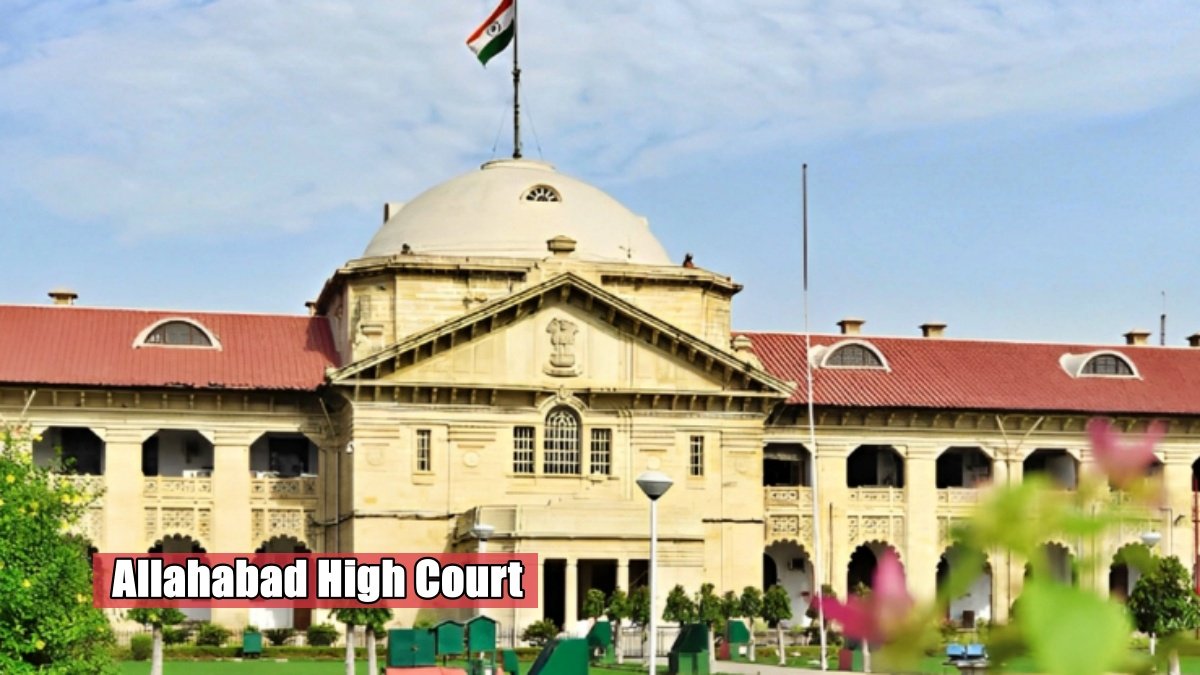
In a significant legal clarification, the Allahabad High Court has ruled that individuals holding qualifications in alternative therapies like electro-homeopathy are strictly prohibited from practicing the allopathic system of medicine. The division bench, comprising Justice JJ Munir and Justice Indrajeet Shukla, characterized unauthorized allopathic practice as quackery, labeling unqualified practitioners as mere pretenders of medical knowledge or charlatans who pose a serious threat to public safety.
The ruling came during the dismissal of a writ petition filed by Santosh Kumar Sharma, a clinic operator from the Etah district of Uttar Pradesh. Sharma had approached the High Court seeking a writ of mandamus to overturn a February 16, 2026, closure order issued by the Chief Medical Officer (CMO) of Etah. The petitioner sought permission to reopen his sealed private facility and continue administering modern scientific medicine, asserting his eligibility based on a 2005 Vocational Certificate in Community Health obtained from the National Institute of Open Schooling (NIOS).
Severe Regulatory Violations Uncovered at Etah Clinic
The high court’s decision strongly backed the enforcement actions taken by local medical authorities. Official investigations conducted by the CMO and health inspectors revealed that Sharma was actively treating patients with allopathic drugs despite lacking any recognized degree or statutory registration in modern medicine.
Beyond the lack of valid medical credentials, the state authorities highlighted egregious operational deficiencies that compromised patient safety. The inspection reports noted that the clinic fundamentally failed to adhere to the standards mandated by clinical establishment regulations. The facility completely lacked a bio-medical waste management protocol, operated without a mandatory fire safety No Objection Certificate (NOC), and failed to implement basic infection prevention and control systems. Furthermore, investigators discovered other unqualified individuals practicing modern medicine on the clinic premises.
Addressing the petitioner’s argument that the closure violated his fundamental right to earn a livelihood, the division bench provided crucial constitutional context regarding professional boundaries. The court clarified that the right to practice any profession under Article 19(1)(g) of the Constitution of India is not absolute. Instead, it remains entirely subject to reasonable restrictions that the state may impose in the interest of the general public.
The court noted that protecting the health of the public at large is the primary responsibility of the state government, meaning any quack cannot be permitted to play with the lives of ordinary citizens. The bench underscored that cross-practice, where a practitioner registered under one medical system attempts to prescribe medicines in another without explicit qualifications, amounts to negligence per se, exposing the public to severe danger.
Concluding the judgment, the High Court emphasized the limitations of judicial intervention in technical administrative matters. The bench remarked that under Article 226 of the Constitution, the court cannot substitute its own wisdom and findings for those of competent expert medical authorities, thereby validating the permanent sealing of the substandard facility.