































Key Crisis Developments
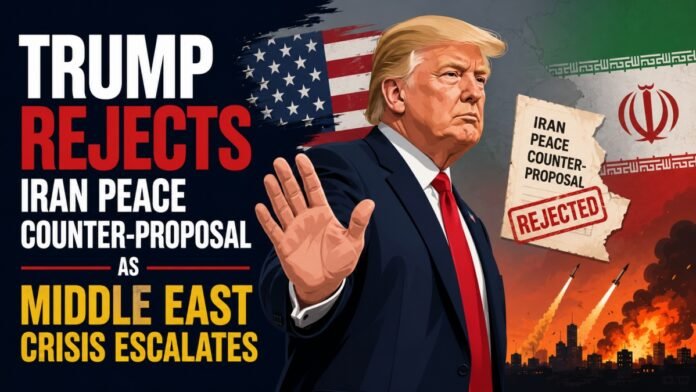
- Swift Rejection: President Trump rejected Iran’s Pakistani, mediated counter, proposal within two hours of receipt.
- Energy Shock: Brent crude jumped to $105.50 per barrel following the news, the largest energy shock in recorded history.
- Sticking Points: Major disputes remain over the Strait of Hormuz blockade and the dismantling of Iranian nuclear facilities.
- Regional Scope: Iran demands a ceasefire that includes Lebanon, a condition the U.S. and Israel have currently refused.
- Strategic Pressure: Trump is scheduled to meet with Chinese President Xi Jinping this week to seek further leverage against Tehran.
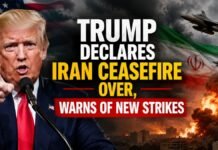
The fragile hope for a diplomatic resolution to the 2026 Iran conflict has faced a significant setback as U.S. President Donald Trump officially rejected a peace framework submitted by Tehran. Labeling the Iranian response “totally unacceptable” on his Truth Social platform, the President accused the Islamic Republic of “playing games” with the United States, a tactic he claims has persisted for 47 years.
The proposal was delivered through Pakistani intermediaries on Sunday, May 10, 2026, intended as a formal response to the Trump administration’s 14-point memorandum. However, the U.S. position has hardened, with the President asserting that Iran will no longer be able to stall while regional tensions continue to flare.
Deepening Contention over Hormuz and Nuclear Assets
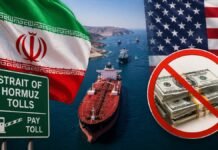
The primary obstacle to a final agreement remains the status of the Strait of Hormuz. Iran’s counterproposal suggested reopening the vital waterway only after a definitive signing of a peace treaty and the lifting of U.S. sanctions. Washington, however, demands the immediate and unconditional reopening of the strait, through which 20% of the world’s oil flows, before any further concessions are made.
The nuclear “red line” has also proved insurmountable. The U.S. demands a 20-year moratorium on enrichment and the transfer of Iran’s entire stockpile of highly enriched uranium (HEU) to overseas locations, possibly the United States. In contrast, Iran’s proposal only offered a shorter moratorium and the dilution of a portion of its HEU, while explicitly refusing to dismantle its nuclear infrastructure.
Iran’s Defense and Economic Demands
Ismail Baghai, spokesperson for the Iranian Ministry of Foreign Affairs, defended the proposal as a “reasonable and generous” attempt to find a pragmatic path toward peace. Tehran’s primary conditions for ending the hostilities include the immediate release of frozen foreign assets and the cessation of the U.S. naval blockade.
A critical point of friction is the $1.7 billion in cash previously mentioned by Trump, which Tehran demands be fully accessible as part of any financial normalization. Furthermore, Iran insists that any peace agreement must extend to its regional allies, specifically Lebanon, where Israeli military operations against Hezbollah continue to escalate despite the April 8 ceasefire.
Global Market Volatility and Future Outlook
The rejection of the peace plan has sent shockwaves through the global economy. Saudi Aramco CEO Amin Nasser warned on Monday that the world is experiencing its most severe energy shock, noting that even if the Strait of Hormuz were opened today, the market would not fully rebalance until 2027.
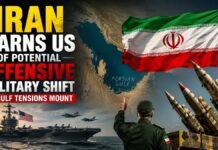
As the specter of a broader war looms, the Trump administration appears to be pivoting toward increased international pressure. The President is expected to use an upcoming summit in Beijing to urge President Xi Jinping to leverage China’s position as Iran’s largest oil buyer. Meanwhile, security experts like Chris Featherstone warn that if this diplomatic stalemate persists, the U.S. may consider more direct military interventions in the Gulf region to break the Iranian blockade.