

































Key Points
- US Casualties: 10 service members wounded at Prince Sultan Air Base, with two in critical condition.
- Aircraft Damage: Several U.S. refueling tankers and an E-3 Sentry AWACS sustained damage in the assault.
- Missile Interceptions: Saudi air defenses successfully destroyed a ballistic missile targeting Riyadh on Saturday.
- Diplomatic Deadline: President Trump has extended the deadline for Iran to reopen the Strait of Hormuz to April 6.
- NATO Tensions: The White House has criticized NATO allies for “doing nothing” to assist in securing vital shipping lanes.
As the joint U.S., Israel, and Iran conflict enters its 29th day, the regional security situation has significantly deteriorated. The hostilities, which began on February 28 with coordinated strikes against Iranian nuclear and military infrastructure, have now expanded into a broader regional confrontation. On Friday, Iranian forces launched a sophisticated missile and drone attack on Prince Sultan Air Base in Saudi Arabia, a critical hub for American aerial operations.
U.S. officials confirmed that the strike wounded at least 10 American service members. Two of the injured are reportedly in critical condition, while others are being treated for shrapnel wounds and blast injuries. Beyond the human toll, the attack resulted in verified damage to several U.S. aerial refueling aircraft, including KC,135 Stratotankers. These tankers are vital for maintaining the “Epic Fury” air campaign currently being conducted by the U.S. and Israel. Satellite imagery from the site shows clear signs of impact on the tarmac and hangar facilities, signaling that Iran remains capable of high-precision strikes despite weeks of heavy bombardment.
Trump Issues Ultimatum Amid NATO Friction
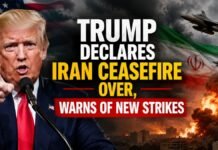
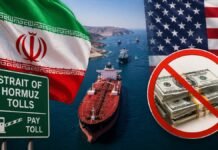
In Washington, President Donald Trump has expressed intensifying frustration with NATO allies regarding the security of the Strait of Hormuz. The President stated that member nations have failed to provide the maritime cooperation required to reopen the waterway, which remains effectively closed to most international traffic. Trump noted that the United States continues to spend billions on European security, yet he no longer believes the U.S. is obligated to stand by allies who refuse to support American interests in the Gulf.
Despite the rhetoric, the administration has signaled a slight opening for diplomacy. President Trump announced a 10-day extension for his deadline to reopen the Strait, moving it to April 6, 2026. He cited ongoing, though “one-sided,” talks mediated by Pakistan as a reason for the pause in strikes on Iranian energy infrastructure. However, he warned that if the April deadline is not met, the U.S. will begin “obliterating” Iran’s power grid.
Saudi Defenses Neutralize Riyadh Threat
The conflict moved closer to the Saudi capital on Saturday as the Ministry of Defense confirmed the interception of a ballistic missile over the Riyadh region. Major General Turki Al Malki stated that the projectile was destroyed in mid-air, preventing what could have been a catastrophic event for the civilian population. This follows a separate incident on Friday where Saudi forces intercepted two of six missiles launched toward the capital, with the remaining projectiles falling into uninhabited areas or the Arabian Gulf.
The geopolitical landscape has shifted dramatically since the start of the war, which saw the elimination of Iran’s Supreme Leader Ali Khamenei in the opening strikes. While his son, Mojtaba Khamenei, has assumed leadership, the regime’s military response has shifted toward asymmetric strikes on regional bases and global energy chokepoints. With oil prices surging past $100 per barrel and domestic gas prices rising, the pressure on the White House to find a resolution, or a decisive victory, continues to mount.