































Key Highlights
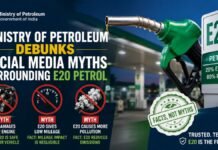
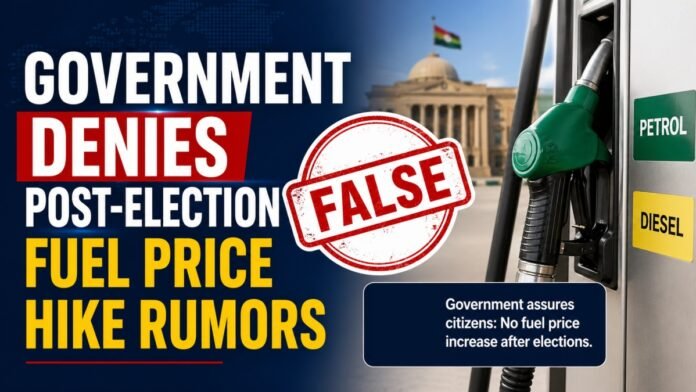
- Official Denial: Ministry of Petroleum Joint Secretary Sujata Sharma clarified there is no proposal to hike fuel rates after the final phase of polling.
- Supply Assurance: 100% availability is guaranteed for domestic LPG, PNG, and CNG, while commercial LPG supply has reached 70%.
- Market Pressure: State-run oil marketing companies (OMCs) are currently absorbing losses of ₹20 per liter on petrol and ₹100 per liter on diesel.
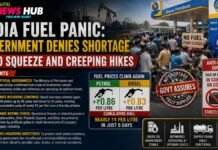
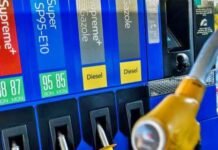
- Panic Buying: Heavy crowds were reported at fuel stations in Andhra Pradesh, prompting Chief Minister Chandrababu Naidu to coordinate with supply teams.
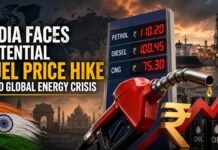
- Global Context: International crude prices remain high due to the partial closure of the Strait of Hormuz and the broader conflict in West Asia.
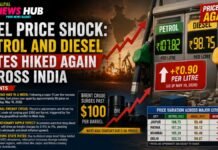
As assembly elections in states including West Bengal conclude tomorrow, Wednesday, April 29, 2026, the Ministry of Petroleum and Natural Gas has moved to quell social media speculation regarding a massive fuel price hike. Recent reports, largely sparked by a Kotak Institutional Equities analysis, suggested prices could surge by ₹25-₹28 per liter to offset rising global costs.
Sujata Sharma, Joint Secretary at the Ministry, described these claims as “mischievous and misleading.” She emphasized that the government has no plans to raise retail prices once the final ballots are cast. “We have observed panic buying in certain regions and urge the public to remain calm. Petrol, diesel, and LPG are available in sufficient quantities across our national network,” Sharma stated during a press briefing.
Supply Crisis and Panic in Andhra Pradesh
The rumors triggered immediate real-world consequences in Andhra Pradesh, where motorists swarmed petrol pumps throughout Monday and Tuesday. Fearing a sudden shortage or price spike, thousands formed long queues, leading some stations to impose temporary rationing.
Chief Minister Chandrababu Naidu has since intervened, directing state officials and representatives from the OMCs to prioritize stock replenishment. The local administration is working to ensure that the panic does not disrupt essential transport services or the ongoing agricultural harvesting season, which relies heavily on a steady supply of diesel.
The Economic Toll of the Hormuz Blockade
The government’s commitment to stable prices comes at a steep cost to state-run refiners. Due to the ongoing military interference in the Strait of Hormuz and the broader conflict between Iran and the United States, Brent Crude has consistently traded above $110 per barrel.
Sharma acknowledged that the import of crude oil, LPG, and piped natural gas has been significantly impacted by these regional tensions. Currently, OMCs are incurring substantial losses, specifically ₹20 per liter for petrol and a staggering ₹100 per liter for diesel. Despite these losses, the Centre has maintained its stance of insulating consumers from “abnormal” international price spikes through previous excise duty cuts and direct market intervention.
Status of National Energy Stocks
While commercial LPG stocks were briefly affected by the maritime blockade, the Ministry confirmed that supply has been restored to 70% for businesses. Crucially, the government has ensured a 100% supply chain for domestic households and transportation fuels like CNG.
To support vulnerable populations, the supply of 5 kg free trade LPG cylinders, often used by migrant workers, has nearly doubled. All national refineries are reportedly operating at high capacity with adequate crude inventories to manage short-term disruptions as the country awaits the final results of the assembly elections on May 4.