































Key Points
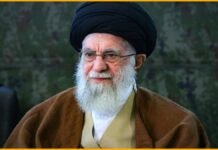
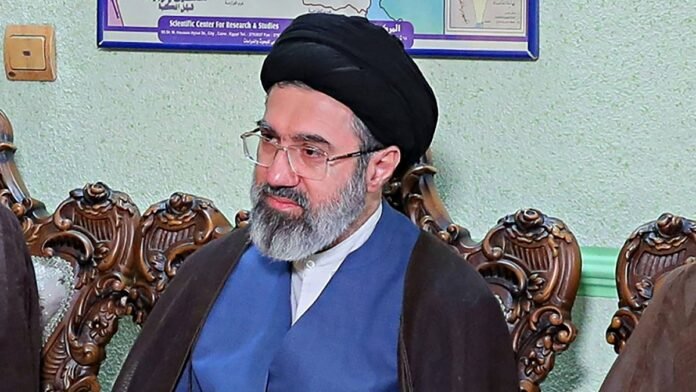
- Iran’s Assembly of Experts elected Mojtaba Khamenei as the country’s third Supreme Leader.
- His father Ali Khamenei, who ruled for nearly 37 years, was killed in a February 28 airstrike on Tehran during the ongoing war.
- Mojtaba is known for his strong ties with the Islamic Revolutionary Guard Corps (IRGC).
- Israel warned it could target those involved in selecting Iran’s new leadership.
- The succession has sparked debate over the possibility of dynastic leadership in the Islamic Republic.
Iran has formally appointed Mojtaba Khamenei as the country’s new Supreme Leader following the death of his father, Ali Khamenei, who was killed in a US–Israel airstrike on Tehran on February 28 during the escalating regional war.
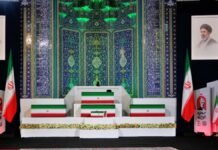
The decision was taken by Iran’s Assembly of Experts, an 88-member council of senior clerics responsible for choosing the country’s highest authority. After days of secret deliberations, the body approved Mojtaba Khamenei with a decisive majority, making him the third Supreme Leader of the Islamic Republic since the 1979 revolution.
The appointment ends a week-long leadership uncertainty that followed the assassination of Ali Khamenei, during which a temporary leadership council managed the country’s affairs.
Powerful Ties with Iran’s Revolutionary Guards
Mojtaba Khamenei, believed to be in his mid-50s, is the second son of the late leader and has long been considered an influential figure within Iran’s political and religious establishment.
Despite never holding an elected government office, he has built strong connections with the powerful Islamic Revolutionary Guard Corps. Analysts say these ties played a crucial role in securing support for his leadership during a time of war and political instability.
For years, Mojtaba was believed to operate behind the scenes, helping manage political networks and religious institutions linked to his father’s office.
Debate Over Possible Dynastic Succession
Iran’s political system is not officially hereditary, and the rise of the Supreme Leader’s son has sparked debate both inside and outside the country.
Some critics argue that the move resembles dynastic succession, something the Islamic Republic historically opposed after overthrowing the monarchy in 1979. However, supporters within Iran’s conservative establishment argue that Mojtaba’s experience within clerical networks and the security establishment makes him a stable choice during wartime.
Israel Issues Warning Over New Leadership
Warnings from Israel have heightened tensions surrounding the succession.
The Israel Defense Forces stated that Israel’s “long arm” could reach those responsible for choosing Iran’s next leader and warned that it would not hesitate to act if necessary.
Because of these threats, Iranian authorities reportedly kept the selection process highly confidential to avoid potential attacks on members of the Assembly of Experts or key political figures.
What the Leadership Change Means for the Region
Mojtaba Khamenei takes power at one of the most volatile moments in Iran’s modern history. The conflict involving Iran, Israel, and the United States has already triggered missile strikes, rising oil prices, and fears of a wider regional war.
Experts believe the new leader’s approach to diplomacy or confrontation will play a crucial role in shaping the next phase of the crisis in the Middle East.