































Key Highlights
- Official Confirmation: Iranian state TV and news agencies confirmed Khamenei’s death early Sunday, March 1, 2026.
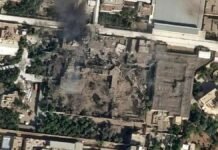
- Military Operation: The strike, codenamed “Epic Fury,” was a coordinated aerial assault by US and Israeli forces on the leader’s compound in Tehran.
- National Mourning: Iran has declared 40 days of public mourning and a seven,day nationwide holiday.
- Transition of Power: A three,member council, including President Masoud Pezeshkian, will manage the transition until a successor is named.
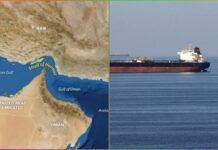
- Global Impact: Oil prices have surged and shipping through the Strait of Hormuz has dropped by 70% amid retaliatory strikes.
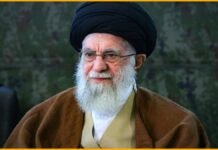
The Middle East has entered a period of unprecedented uncertainty following the confirmed death of Iran’s Supreme Leader, Ayatollah Ali Khamenei. US President Donald Trump, who initially broke the news on social media, described the operation as a definitive blow against “one of the most dangerous figures in history.” Trump clarified that the mission was a high-precision joint operation between the US and Israel, aimed at dismantling the core leadership of the Islamic Republic.
While initial reports were met with a brief silence from Tehran, Iranian state media (IRIB) and the state, run IRNA news agency have since officially announced his “martyrdom.” The reports indicate that the strike occurred in the early hours of Saturday at Khamenei’s office in Tehran. Alongside the 86, year old leader, several high, ranking military commanders and members of his immediate family, including his daughter and son, in, law, were also killed in the bombardment.
Transition and Retaliation
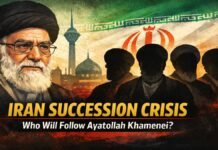
Under the Iranian constitution, the country is now preparing for a complex leadership transition. A temporary council consisting of President Masoud Pezeshkian, the head of the judiciary, and a representative from the Guardian Council has been formed to oversee state affairs. The Assembly of Leadership Experts is expected to convene shortly to appoint a permanent successor, though experts warn that the selection process could be marred by internal power struggles.
In the immediate aftermath of the strike, the Islamic Revolutionary Guard Corps (IRGC) launched a retaliatory offensive, dubbed “Operation Truthful Promise 4,” targeting US military bases and Israeli territories with hundreds of drones and missiles. While the Pentagon reported no American fatalities, the scale of the exchange has brought the region to the brink of a full-scale war.
Economic and International Consequences
The geopolitical shockwaves have hit global markets instantly. Oil prices experienced significant volatility as news of the assassination spread, fueled by a 70% reduction in commercial traffic through the Strait of Hormuz. International diplomats have expressed grave concern over energy security and the potential for a wider conflict.
For India, the situation is particularly critical. External Affairs Minister S. Jaishankar has been in constant communication with global counterparts to ensure the safety of thousands of Indian citizens residing in the Gulf. With trade routes and energy supplies at risk, New Delhi has urged all parties to exercise maximum restraint while preparing contingency plans for its diaspora.
As the 40-day mourning period begins, the world watches to see if this transition will lead to a domestic uprising or a further hardening of the Iranian regime’s stance against the West.