





























Key Highlights
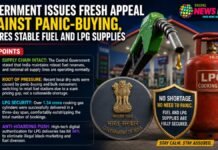
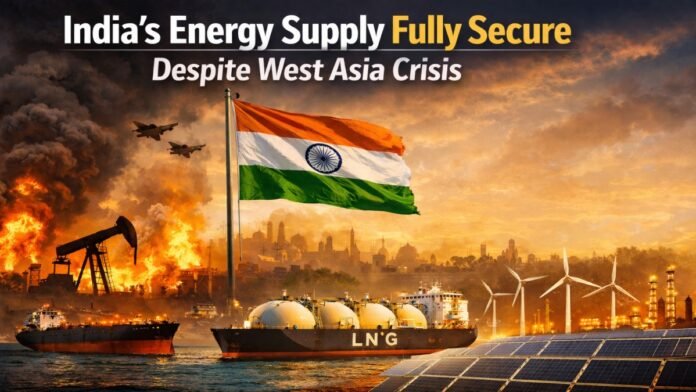
- Supply Security: Non, Hormuz oil sourcing has risen to 70%, up from 55% before the conflict.
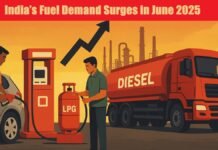
- LPG Production: Domestic cooking gas production has been ramped up by 28% in the last five days to counter import disruptions.
- New Booking Rules: To prevent hoarding, a minimum 25-day gap for urban and 45-day gap for rural LPG bookings has been introduced.
- Import Flexibility: India now imports crude from nearly 40 countries, with a significant surge in Russian oil imports to 1.5 million barrels per day.
- Government Subsidy: The Centre has absorbed Rs 74 per cylinder of the recent global price hike to shield domestic consumers.
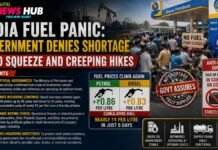
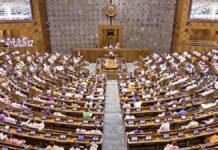
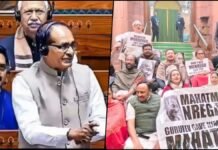
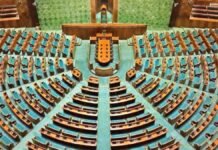
Addressing the Lok Sabha during the Budget Session on March 12, 2026, Petroleum and Natural Gas Minister Hardeep Singh Puri categorically dismissed rumors of a fuel shortage. He emphasized that despite the closure of the Strait of Hormuz, which traditionally handles a significant portion of global energy traffic, India’s supply chains are functioning smoothly. Puri attributed this stability to Prime Minister Narendra Modi’s proactive diplomacy, which allowed India to secure additional volumes of crude from alternative routes that exceed the losses from the blocked strait.
The Minister clarified that India’s refinery utilization exceeds 100% in many cases, and retail outlets for petrol, diesel, and aviation turbine fuel are fully stocked. He urged citizens to ignore “panic, inducing misinformation,” asserting that the nation’s energy security is “fully protected.”
Managing the LPG Crisis and Curbing Black Markets
While acknowledging the strain on the LPG sector, where India previously imported 60% of its needs from the Gulf, Puri detailed decisive steps taken under the Essential Commodities Act. To prioritize household kitchens, the government has directed refineries to divert all relevant hydrocarbon streams exclusively to domestic cooking gas production.
To manage distorted demand patterns caused by panic buying, the government has implemented new refill intervals:
- Urban Areas: Minimum gap of 25 days between consecutive bookings.
- Rural and Remote Areas: Minimum gap of 45 days.
Puri noted that the standard delivery cycle remains at 2.5 days. He also announced that 20% of the average monthly commercial LPG will be allocated to state governments for essential services like hospitals to prevent black marketing in the commercial sector.
Diversification Beyond West Asia
India has significantly reduced its strategic vulnerability by expanding its import basket. From 27 countries in 2006, India now sources oil from 40 nations, including the U.S., Brazil, and several West African states. Notably, since the onset of the conflict on February 28, Russian oil imports have surged to nearly 1.5 million barrels per day (bpd), with another 130 million barrels currently in transit.
On the topic of food security, the Minister shared that while 45% of India’s food imports previously transited through Hormuz, diplomatic initiatives have ensured that incoming shipments from other corridors have more than compensated for the disruption.
Political Furore and Opposition Response
The Minister’s statement follows days of intense protest from the Opposition. Leader of the Opposition Rahul Gandhi, alongside several MPs, staged a demonstration outside Parliament, criticizing the government for “missing cylinders” and high prices. Gandhi accused the administration of compromising energy sovereignty by following external directives on oil procurement.
Samajwadi Party leader Akhilesh Yadav also joined the critique, pointing to the long queues at gas agencies as proof of a failed supply chain. In response, Puri labeled these claims as “rumor, mongering,” and “fake narratives,” inviting the Opposition to focus on the reality of India’s resilient energy infrastructure during a global crisis.