






























Key Highlights
- Direct Defiance: Ali Larijani warned Trump that the Iranian people are “not afraid of empty threats” in response to the President’s “20x force” ultimatum.
- Hormuz Blockade: Iran has effectively halted transit through the Strait of Hormuz, a chokepoint for 20% of global oil, sending Brent crude to $120 per barrel.
- Casualty Claims: Tehran claims to have killed six U.S. soldiers and captured others, though the Pentagon maintains these reports are “pure propaganda.”
- Economic Fallout: Global oil prices have surged by 24% in just eleven days since “Operation Epic Fury” began on February 28.
- Maritime Crisis: The International Maritime Organization confirms seven civilian sailors have died in attacks on merchant ships in the region so far.
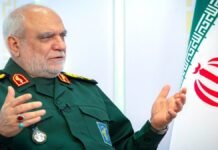
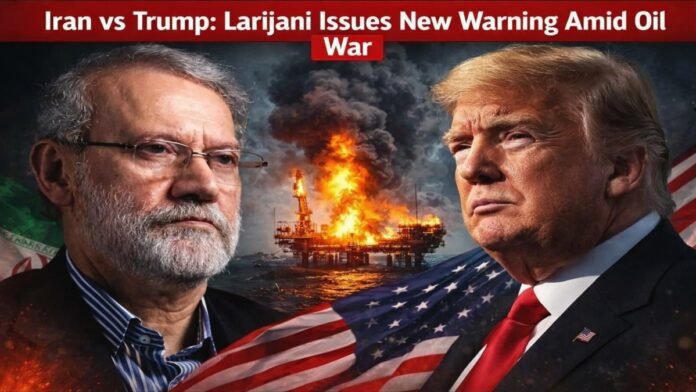
The diplomatic and military standoff in West Asia intensified on March 10, 2026, as Ali Larijani, a pivotal figure in Iran’s current security apparatus, utilized social media to issue a scathing rebuttal to U.S. President Donald Trump. This exchange comes during the 11th day of a conflict that has paralyzed global shipping and brought the two nations closer to a full-scale regional war.
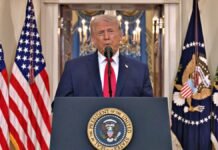
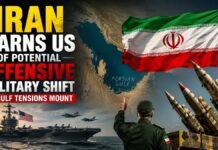
The friction began when President Trump took to “Truth Social” to issue a stern warning: any attempt by Iran to block oil tankers in the Strait of Hormuz would be met with an American military response executed with “20 times more speed and force” than previous operations. Larijani, retweeting the post on X, invoked the spirit of Ashura, stating that the Iranian people cannot be intimidated and suggesting that Trump himself should be cautious about the consequences of his rhetoric.
Claims of POWs and Hidden Casualties
Adding a volatile new layer to the conflict, Larijani reiterated claims first made on March 7 that Iranian forces have captured several American service members. He accused the Trump administration of a massive cover-up regarding the true human cost of the campaign, asserting that at least six U.S. soldiers have been killed in Iranian counterattacks.
The U.S. Department of Defense has flatly denied these allegations, calling them a desperate attempt to sow discord within the American public. However, the claims have contributed to a high-stakes information war as both sides attempt to control the narrative of a conflict that Trump has frequently downplayed as a “small, targeted operation.”
Economic Weaponization of the Strait of Hormuz
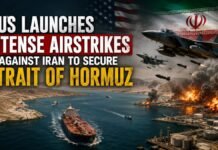
Iran’s most potent leverage remains its geographical control over the Strait of Hormuz. By effectively halting tanker movements, Tehran has successfully weaponized global energy supplies. The strategy aims to inflict enough economic pain on the international community to force the U.S. and Israel to halt their offensive.
The impact is already visible at the pump and on global markets. Brent crude hit $120 per barrel on Monday, a rapid 24% climb since the start of hostilities. While Israeli Prime Minister Benjamin Netanyahu has vowed that “attacks will continue until the threat is neutralized,” the International Maritime Organization has raised alarms over the safety of neutral merchant ships. With seven sailors confirmed dead, the insurance costs for transit in the region have skyrocketed, further strangling global trade routes.
A Region on the Brink
As the war of words between Larijani and Trump continues, the global community remains on high alert. With no immediate signs of a ceasefire and both leaders doubling down on their positions, the “11-day conflict” appears poised to escalate into a prolonged and devastating confrontation with far-reaching consequences for the 2026 global economy.