






























Key Highlights
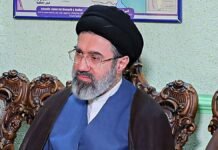
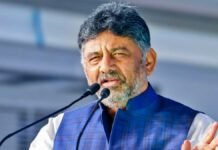
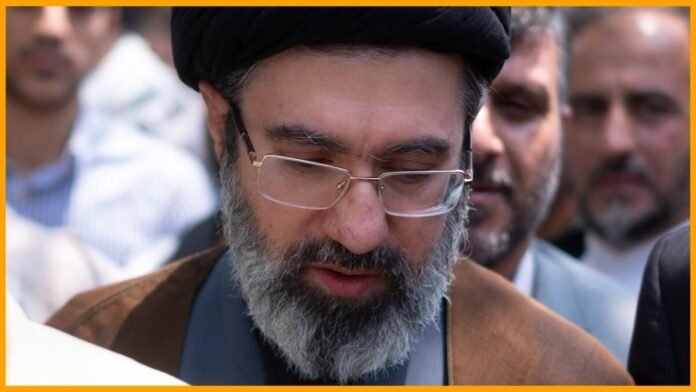
- Leadership Targeted: Mojtaba Khamenei was elected by the Assembly of Experts but was reportedly wounded in a strike shortly after assuming office.
- Mass Casualties: The conflict has claimed 1,700 lives in just 10 days, including 168 children, following the death of Ayatollah Ali Khamenei on February 28.
- Tehran Under Siege: Israeli strikes on oil depots have caused “rivers of fire” in city streets and “black rain” from smoke-filled skies.
- Regional Escalation: The war has spread to Qatar, Bahrain, and Saudi Arabia, with Turkey deploying F-16s to Northern Cyprus for security.
The Middle East is currently engulfed in a state of total war as the Islamic Republic of Iran faces a leadership crisis under direct military fire. Mojtaba Khamenei, the son of the late Ayatollah Ali Khamenei, was officially named the new Supreme Leader by the 88-member Assembly of Experts on March 8, 2026. However, the transition has been marked by immediate violence, with Iranian state TV reporting that the “brave” new leader has already sustained injuries during an Israeli operation. This development comes as the United States and Israel maintain a standing warning that any successor to the supreme leadership will be considered a legitimate target for elimination.
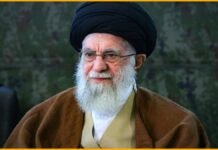
The current escalation, now widely referred to as the “Ramadan War,” began with a massive strike in Tehran on February 28 that killed the previous Supreme Leader, Ali Khamenei. In the 10 days since his death, the conflict has spiraled into a catastrophic exchange of fire. China has issued a stern condemnation of the attacks, urging the international community to respect Iran’s internal succession processes.
Apocalyptic Scenes in Tehran and Isfahan
The Israeli Air Force has expanded its campaign to dismantle the Islamic Revolutionary Guard Corps (IRGC), specifically targeting Aerospace Headquarters and rocket engine manufacturing facilities in Isfahan. In Beirut, precision strikes reportedly neutralized five senior Quds Force commanders. The situation within Iran’s capital remains dire, following a series of strikes on the Shahran and Aghdasiyeh oil depots, burning fuel leaked into the city’s sewage systems. This created what residents described as “rivers of fire” flowing through urban streets. The resulting soot mixed with rainwater has led to “black rain” falling over Tehran, while the city remains choked by a permanent dark haze.
Tensions Spread to the Gulf and Beyond
The fire of war has rapidly crossed borders, impacting Qatar, Bahrain, and Saudi Arabia. Bahraini authorities declared a state of “force majeure” after drone strikes injured 32 people, including children, prompting the sounding of sirens and urgent evacuation orders. Qatar’s Prime Minister has characterized recent Iranian retaliatory actions as a “big betrayal,” as the region faces an unprecedented security collapse.
In a move to secure its own borders against the spreading instability, Turkey has deployed F-16 fighter jets to Northern Cyprus. As the conflict enters its second week, the global economy is feeling the shock, with oil prices soaring past $100 a barrel and critical trade routes like the Strait of Hormuz becoming virtually impassable.