




























Key Points
- Election Countdown: Bangladesh prepares for a pivotal general election on February 12, the first since the ousting of the previous administration.
- Diplomatic Shift: Tarique Rahman has announced an “economy,based” foreign policy focused on national interest and mutual benefit.
- Leadership Transition: Following 17 years in exile, Rahman officially took the party helm on January 9 after the passing of former Prime Minister Khaleda Zia.
- The Gen Z Factor: The BNP’s “master plan” specifically targets young voters through proposed investments in the IT sector and technical education.
- New Political Rivalry: With the Awami League banned, the BNP now faces its former ally, Jamaat,e,Islami, as the primary electoral challenger.
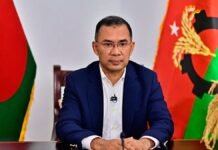
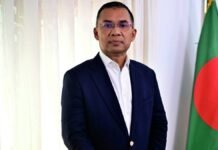
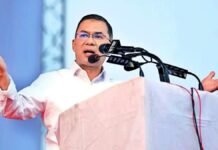
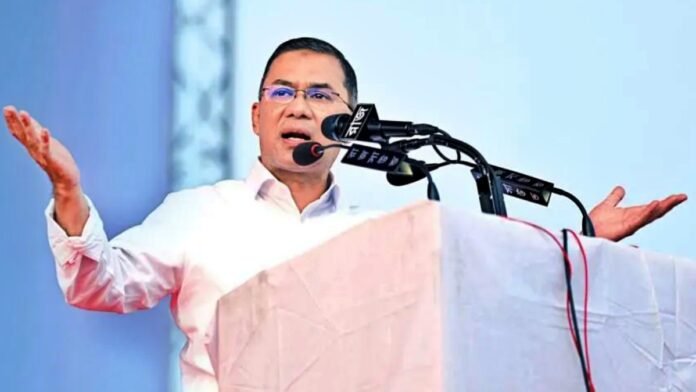
Political activity in Bangladesh has reached a fever pitch as the nation moves toward the historic general elections scheduled for February 12. The Bangladesh Nationalist Party (BNP), under the new leadership of Chairman Tarique Rahman, has formulated an extensive “master plan” aimed at securing a decisive return to power. In a high,profile interview with the American magazine “The Diplomat,” Rahman signaled that a BNP victory would herald a total transformation of the country’s global standing through a new “Bangladesh First” policy.
The “Bangladesh First” Doctrine
A cornerstone of Rahman’s platform is the transition to an “economy,based foreign policy.” He has articulated a vision where national interest remains the paramount factor in any bilateral relationship. This stance is seen as a direct critique of the ousted Sheikh Hasina administration, which was frequently accused by critics of maintaining an “India,oriented” diplomatic bias.
Rahman clarified that while the BNP believes in mutual trust and respect, the benefit to the Bangladeshi people must come first. “No matter which country we engage with, our national interest must be the priority,” Rahman stated, adding that his government would seek to diversify its international partnerships to strengthen the domestic economy.
From Exile to Potential Prime Minister
The 60,year,old Rahman has seen a dramatic change in fortune over the past few months. After 17 years of self,imposed exile in London, he returned to Dhaka on December 25 last year to a massive public reception. Following the death of his mother, former Prime Minister Khaleda Zia, Rahman was elected as the new party chairman on January 9.
International analysts from Bloomberg, Time, and The Economist have increasingly identified Rahman as the most likely candidate for the next Prime Minister. His return is viewed by many as the closing of a chapter of political uncertainty for the BNP, providing a singular face for the opposition movement.
Engaging Gen Z and Addressing New Challenges
In a country where young voters hold significant sway, the BNP is focusing heavily on “Gen Z” aspirations. Rahman’s “master plan” includes a heavy emphasis on the IT sector, specialized technical education, and large,scale job creation. By aligning the party with the digital and professional goals of the youth, Rahman hopes to overcome the traditional perception of the BNP as a legacy party.
The electoral landscape, however, has shifted significantly following the interim government’s decision, led by Muhammad Yunus, to ban the Awami League. This move has fundamentally altered the competitive dynamic, essentially elevating the BNP’s former ally, Jamaat,e,Islami, to the role of primary rival.
The Path to February 12
Despite the new challenges, Rahman remains optimistic about a “peaceful coexistence” in Bangladeshi society. He has publicly called for a return to mutual respect in politics, seeking to distance the country from the era of retaliatory governance. Current opinion polls suggest that the BNP holds a significant lead, with Rahman’s personal popularity reaching new highs among both rural and urban demographics. As the February 12 deadline approaches, the international community continues to monitor the situation, viewing this election as a critical test for the future of democracy in the region.