Key Highlights
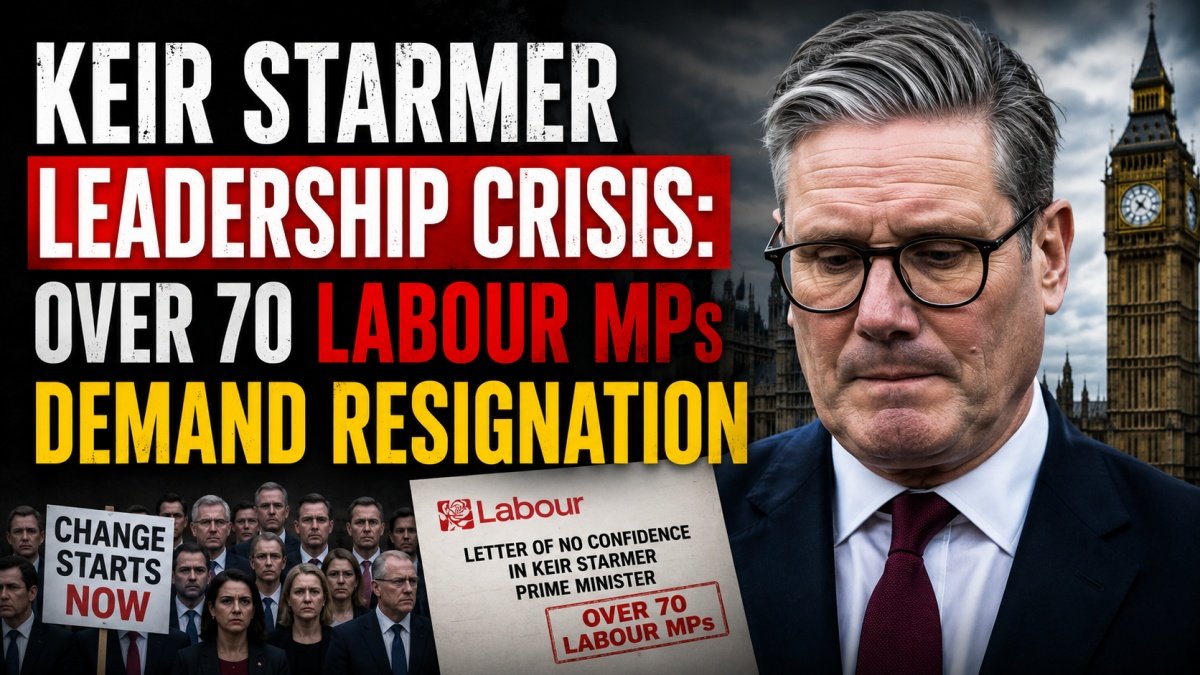
- Internal Revolt: More than 70 Labour MPs have reportedly asked Starmer to step down following disappointing regional election returns.
- The 20 Per cent Threshold: Critics need 81 MPs, 20 per cent of the parliamentary party, to officially trigger a formal leadership challenge.
- Cabinet Pressure: Senior figures, including Yvette Cooper and Shabana Mahmood, have allegedly suggested a managed transition of power.
- Potential Successors: Health Secretary Wes Streeting and Angela Rayner are increasingly viewed as the primary contenders to lead the party.
UK Prime Minister Keir Starmer is facing the most significant threat to his authority since taking office. Despite a defiant pledge on Monday to “prove his doubters wrong,” the political atmosphere within Westminster has soured following a string of losses in local and regional elections. The results have stripped the Labour Party of its momentum, leading many backbenchers to question whether Starmer remains the right person to lead the party into the next general election.
Currently, British media outlets report that over 70 of Labour’s 403 MPs have privately or publicly urged the Prime Minister to resign. Under the existing Labour Party rulebook, any potential challenger requires the written support of at least 81 MPs, representing 20 per cent of the party in Parliament, to force a leadership contest. While the rebels are currently short of that magic number, the momentum appears to be shifting against the 10 Downing Street incumbent.
Resignations and Cabinet Disquiet
The pressure is not merely coming from the backbenches. The revolt has reached the junior ranks of the government, with four government aides already resigning and calling for a fresh start. High-level reports suggest that the dissent has even touched the Great Offices of State. Foreign Secretary Yvette Cooper and Home Secretary Shabana Mahmood have reportedly held candid discussions with Starmer, advising him to consider an orderly transition of power to avoid a protracted and damaging civil war within the party.
Joe Morris, a former parliamentary private secretary to Health Secretary Wes Streeting, expressed the growing sentiment on social media. Morris noted that it is now clear the Prime Minister no longer possesses the trust of the public required to lead effectively. Similarly, Tom Rutland, a former aide to Environment Secretary Emma Reynolds, remarked that Starmer has lost his authority among his colleagues, a loss he described as irreparable.
The Race for Succession
As the Prime Minister’s position weakens, the focus has shifted toward who might replace him. Catherine West, a prominent Member of Parliament, has been active in organising the internal opposition. While she initially threatened a direct challenge, she is now reportedly collecting names of MPs who wish to see Starmer set a definitive timetable for a new leadership election by September.
Among the frontrunners, Health Secretary Wes Streeting is widely rumoured to be weighing his options, bolstered by his high profile and reform-focused agenda. Angela Rayner, a perennial favourite among the party’s grassroots, also remains a formidable potential candidate. As the party grapples with its direction, the coming weeks will determine whether Starmer can suppress the rebellion or if the UK is headed for its second change of government leadership in as many years.