



































Key Points
- UAE Central Bank Governor Khaled Mohamed Balama is seeking a currency-swap line with the U.S. Federal Reserve.
- The United States is reportedly spending up to $1 billion per day on military operations, including “Operation Epic Fury,” since the war began on February 28.
- Direct Iranian missile strikes have damaged critical infrastructure in Dubai and Fujairah, including luxury hotels and Amazon data centers.
- Abu Dhabi has warned that without a U.S. dollar lifeline, it may settle oil and gas transactions in Yuan to protect its foreign reserves.
- Iran has counter-claimed $270 billion in damages from Gulf nations, accusing them of facilitating U.S. and Israeli air strikes.
The regional conflict between Iran and the United States, which erupted on February 28, 2026, has entered a critical economic phase as the United Arab Emirates (UAE) seeks unprecedented financial guarantees from Washington. According to reports from the Wall Street Journal, Emirati officials are demanding a “backstop,” essentially a financial safety net, to mitigate the severe impact the war has had on their domestic infrastructure and global financial standing.
A Staggering Daily Price Tag
The economic toll of the war is reaching historic levels. The United States is currently spending between $890 million and $1 billion every day on military deployments and precision munitions, while Israel’s expenditure has already surpassed $11.2 billion. The potential cost of regional reconstruction is even more daunting, with initial estimates suggesting that repairing energy infrastructure in Saudi Arabia and the UAE could exceed $60 billion.
The UAE has suffered significant physical damage from Iranian drone and missile volleys. Civilian landmarks in Dubai, such as the Fairmont The Palm, and the strategic oil export terminal in Fujairah, have sustained heavy hits. Beyond physical assets, the digital economy has also been shaken, as strikes on Amazon’s regional data centers have led to widespread disruptions in cloud banking and essential digital services.
The Threat of De-Dollarization
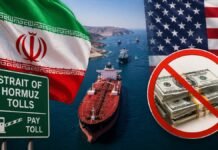
In a move that could reshape the global financial order, UAE Central Bank Governor Khaled Mohamed Balama has initiated discussions for a currency-swap arrangement with U.S. Treasury Secretary Scott Bessent. The proposal is designed to address a looming shortage of U.S. dollars caused by the blockade of the Strait of Hormuz, which has severely throttled oil exports and dollar-denominated revenue.
Emirati officials have signaled that if the U.S. fails to provide this dollar liquidity, the nation may have no choice but to begin trading its oil and gas in the Chinese Yuan. This shift would represent a major blow to the “petrodollar” system and signifies a fraying of the traditional security-for-dollars alliance between the U.S. and Gulf states.
Historical Reversal and Regional Pressure
The current dynamic marks a stark departure from the 1991 Gulf War, when nations like Saudi Arabia and Kuwait provided financial support to the U.S. military. Today, the UAE maintains that because the U.S. initiated this conflict without sufficient regional consultation, Washington must bear the financial burden.
The political stakes for the Trump administration are high. Acceding to the UAE’s demand could trigger a wave of similar claims from Qatar and other regional partners. Meanwhile, the situation is further complicated by Tehran’s own aggressive diplomatic front, with Iran’s UN envoy recently demanding $270 billion in compensation from Gulf neighbors for their alleged role in enabling U.S. and Israeli strikes.
As the war continues to drain reserves and threaten the stability of the Middle East’s primary financial hubs, the decision on a U.S. financial backstop will determine whether the UAE remains anchored to the dollar or begins a historic pivot toward Beijing.