
































Key Points
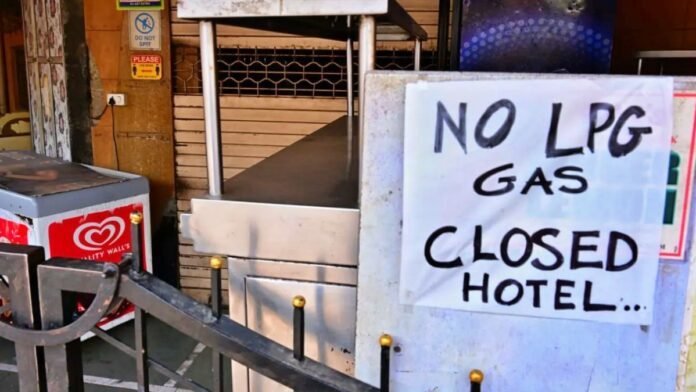
- Over 50% of Mumbai’s street-side breakfast stalls have closed due to the unavailability of both domestic and commercial gas cylinders.
- Dharavi’s small-scale cooking units, which supply over 100,000 Idlis daily to the city, have largely gone cold as fuel stocks dry up.
- Black market prices for LPG have doubled, yet supply remains nearly non-existent for small traders.
- The “lifeline of Mumbai,” the Vada Pav, is facing steep price hikes as vendors switch to expensive electric or coal-based alternatives.
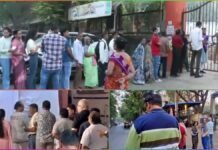
- Commuters and daily-wage laborers are struggling to find affordable food near railway stations and bus depots.
Mumbai’s morning rhythm is intrinsically tied to its street food, but that rhythm has been disrupted by the geopolitical fallout of the Iran-Israel conflict. The heart of the city’s breakfast supply, the narrow lanes of Dharavi, has fallen silent. This area serves as the central hub for the mass production of Idli, Vada, and Sambar, which are distributed across the metropolis by thousands of “Annas” on bicycles and handcarts.
Because these small-scale operations rely entirely on commercial LPG, the current shortage has brought production to a standstill. Traders report a heartbreaking scene where massive quantities of soaked rice and urad dal are fermenting and going to waste because there is no fuel to steam them. Even with some vendors willing to pay double the official rate on the black market, the supply of cylinders has evaporated, leaving over 100,000 daily meals unproduced.
Vada Pav and the High Cost of Alternatives
The iconic Vada Pav, often considered the only affordable meal for millions of Mumbaikars, is becoming a luxury. Major vendors who have managed to stay open are doing so by switching to electric induction plates or traditional coal stoves. However, these methods are either significantly slower or much more expensive.
This shift has led to an immediate “energy surcharge” on the plate, with the price of a single Vada Pav jumping by 30% to 50% in some localities. For the common man, already squeezed by rising inflation and the weakening Rupee, this is a double blow. Outside major transit hubs like Dadar, Andheri, and Borivali, the once-crowded breakfast stalls are now replaced by empty spaces and “Closed” signs.
Mounting Pressures on Small Traders
The crisis is not just about fuel; it is a burgeoning socio-economic disaster for small entrepreneurs. Vendors are caught in a pincer movement of rising costs and fixed overheads. Many “Anna” stalls operate from rented spaces or designated spots where monthly payments are mandatory regardless of sales.
Furthermore, local shopkeepers have reported increased pressure from authorities. In some districts, police have allegedly advised vendors to keep their stalls closed to prevent large crowds from gathering at the few remaining food sources, which could lead to law-and-order issues over food scarcity. For the thousands of laborers who migrated to Mumbai to run these businesses, the lack of gas is no longer just a temporary inconvenience; it is an existential threat that is forcing many to consider returning to their native villages.
Impact on the ‘City That Never Sleeps’
As the LPG crisis persists, the logistical backbone of Mumbai is feeling the strain. Those who leave home in the early hours, including sanitation workers, security guards, and railway staff, depend entirely on these sidewalk stalls for sustenance. With the disappearance of affordable street food, the nutritional and financial security of the city’s workforce is at risk.
While the government and oil marketing companies work to stabilize supply chains impacted by the Middle East tensions, the immediate reality for Mumbai is a cold kitchen and an expensive plate. Until the gas supply is restored, the “lifeline” of the city remains dangerously frayed.