































Key Points
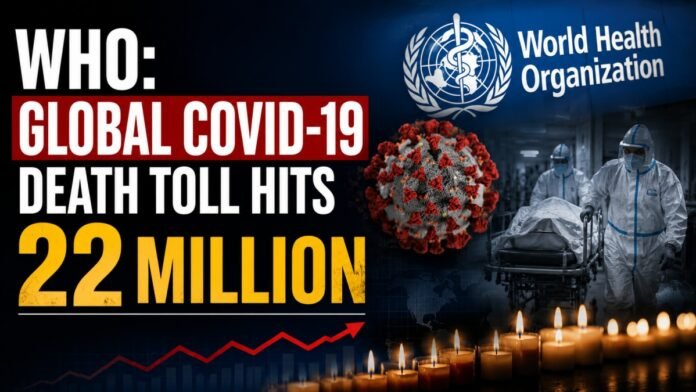
- Total excess deaths between 2020 and 2023 reached 22.1 million.
- Official records captured only one out of every three pandemic-related deaths.
- Underreporting and reduced testing after 2022 obscured the true mortality rate.
- The pandemic reversed ten years of global gains in life expectancy.
- Health service disruptions and economic factors contributed significantly to indirect deaths.
The World Health Organization released its “World Health Statistics 2026” report on Wednesday, revealing a stark reality regarding the human cost of the COVID-19 pandemic. According to the findings, the actual loss of life is significantly higher than previously acknowledged, with global excess deaths estimated at 22.1 million. This figure stands in sharp contrast to the 7 million deaths officially attributed to the virus.
The report emphasizes that for every death officially recorded as a COVID-19 fatality, approximately two additional deaths occurred that were associated with the pandemic. The WHO attributes this massive discrepancy to chronic underreporting in various regions and the decision by many nations to dismantle mass testing campaigns following the peak of the crisis in 2022. Without robust testing frameworks, millions of cases, and subsequent fatalities, went unrecorded in official ledgers.
Beyond the direct impact of the virus, the WHO report delves into the concept of “excess mortality,” which measures the increase in total deaths compared to pre-pandemic trends. This finding reflects not only deaths directly caused by COVID-19, but also highlights indirect deaths resulting from the suspension of routine health services, economic instability, and broader social challenges. In many instances, the strain on hospital systems meant that patients with treatable conditions, such as heart disease or cancer, were unable to receive timely care.
Perhaps the most alarming takeaway from the 2026 report is that the pandemic effectively wiped out a decade’s worth of progress in global life expectancy. While the world has transitioned into a post-emergency phase, the WHO warns that the recovery remains fractured. High-income nations have seen a more rapid stabilization of health metrics, whereas many lower-income regions continue to face the long-term consequences of weakened infrastructure and delayed medical interventions.
As global health officials look toward the future, the WHO continues to advocate for more transparent reporting mechanisms and the strengthening of surveillance systems. These measures are seen as vital to ensuring that the true scale of any future health crisis is recognized in real-time, preventing the kind of statistical gap seen over the last six years.