Key Highlights
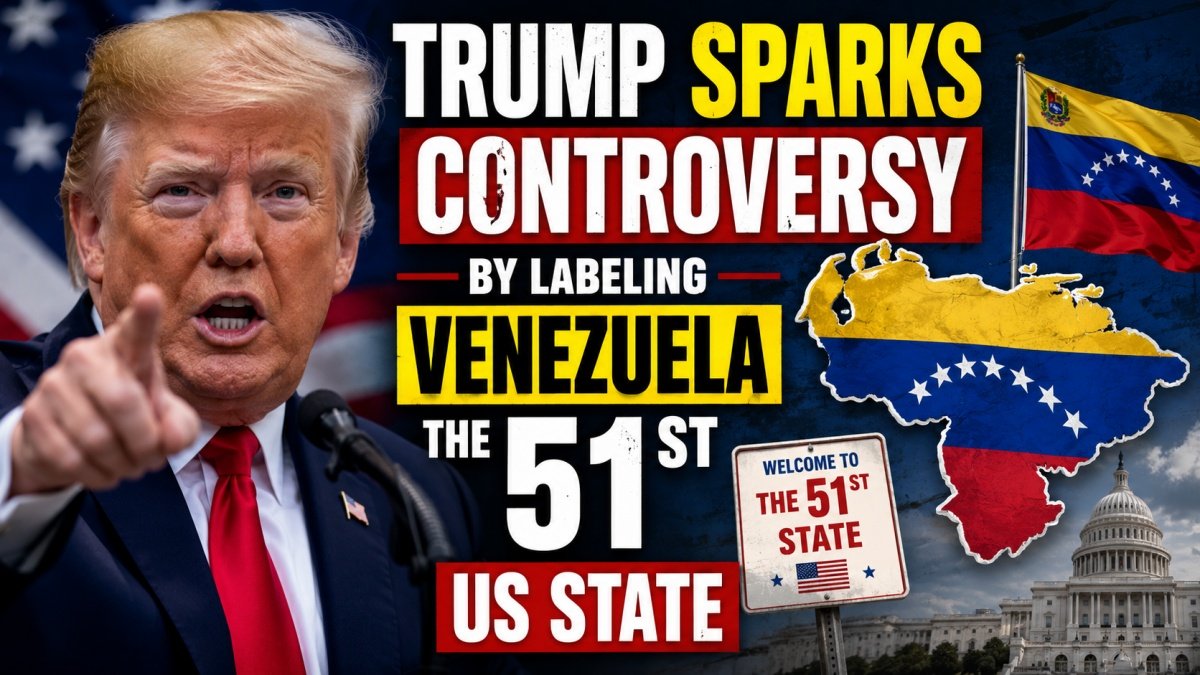
- Social Media Map: President Trump posted an image labeling Venezuela as a US state, intensifying speculation over the country’s future.
- Caracas Rejection: Acting President Delcy Rodríguez reaffirmed Venezuela’s sovereignty, stating the nation is “not a colony.”
- Background Context: The “51st state” rhetoric began after Venezuela’s March 2026 victory over Italy in the World Baseball Classic.
- Geopolitical Shift: Relations are in flux following the January capture of Nicolás Maduro by US forces during “Operation Absolute Resolve.”
- Oil Interests: The Trump administration has openly discussed taking control of Venezuela’s vast oil reserves to rebuild infrastructure.
The geopolitical landscape of South America shifted significantly on Wednesday as US President Donald Trump shared a map depicting Venezuela as the 51st state of the United States. This controversial post follows months of increasing American involvement in the nation after the apprehension of its former leader. President Trump first alluded to the possibility of statehood in March 2026, following the Venezuelan national baseball team’s semifinal victory over Italy in the World Baseball Classic. At the time, he congratulated the team and suggested their success was a direct result of Caracas’ new cooperation with Washington.
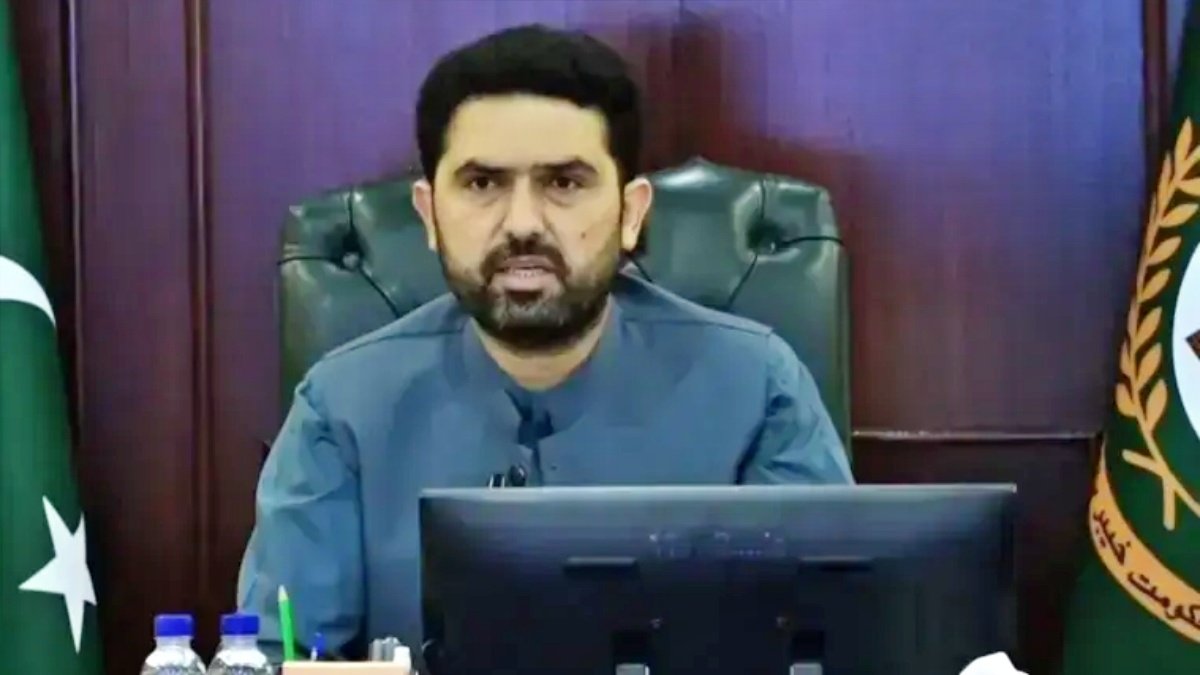
On Monday, May 11, Venezuelan Acting President Delcy Rodríguez dismissed the notion of annexation during a press conference at The Hague. Attending hearings regarding the Essequibo territorial dispute, Rodríguez emphasized that Venezuela would continue to defend its integrity and history. “Venezuela is a free country, not a colony,” she told reporters, directly addressing Trump’s reported comments to Fox News, where he claimed to be “seriously considering” the move.
From Conflict to Cooperation
The relationship between the two nations was fundamentally altered on January 3, 2026, when US special forces executed “Operation Absolute Resolve.” The two-hour military strike in Caracas led to the capture of Nicolás Maduro and his wife, Cilia Flores, who were subsequently transported to New York to face narco, terrorism charges. In the wake of Maduro’s removal, the US State Department recognized Delcy Rodríguez as the interim Head of State.
Since then, the United States has moved rapidly to restore diplomatic and economic ties. The US Embassy in Caracas has reopened, and direct commercial flights between the two countries resumed last month. However, this restoration has been accompanied by stern rhetoric from the White House regarding Venezuela’s resources. President Trump has repeatedly stated his intention to manage the country’s oil sector, noting that American firms are prepared to invest $100 billion into rebuilding the local energy infrastructure.
A Delicate Transition
While President Trump continues to joke about statehood, his administration’s official stance remains focused on stability and economic interest. Secretary of State Marco Rubio informed Congress earlier this year that the US is not seeking a permanent military occupation, despite the ongoing presence of American personnel assisting the interim government.
For the people of Venezuela, the transition remains complex. While the US Treasury recently lifted sanctions on Rodríguez to facilitate trade, critics argue that Washington’s focus on “getting the energy deals flowing” may be overshadowing the need for a clear timeline for democratic elections. As Trump’s “military genius” comments continue to make headlines, the future of Venezuela’s sovereignty remains a focal point of global debate.