

































Key Updates
- Peace Proposal: Iran submitted a 14-point framework via Pakistan, aiming to end all regional hostilities, including in Lebanon, within 30 days.
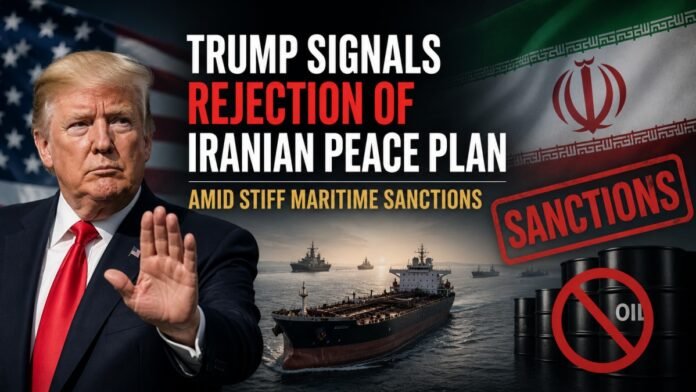
- Trump’s Stance: The President signaled a likely rejection on Truth Social, stating Iran has not yet “paid a big enough price” for its historical actions.
- Sanctions Alert: OFAC issued FAQ 1249, warning that any transit payments, including digital assets or “charitable donations,” will trigger severe U.S. penalties.
- Legislative Tension: Republican senators are questioning the administration’s authority to continue the conflict as the 60-day War Powers Act deadline approaches.
As the fragile ceasefire mediated by Pakistan nears its first month, President Donald Trump has cooled expectations for a diplomatic breakthrough. Speaking to reporters before boarding Air Force One in Florida, the President confirmed he is reviewing a new 14-point proposal from Tehran but suggested approval is unlikely.
Trump later doubled down on his social media platform, Truth Social, arguing that the Iranian regime must face greater accountability before any permanent deal is reached. “I will soon be reviewing the plan,” Trump posted, “but can’t imagine that it would be acceptable in that they have not yet paid a big enough price for what they have done to Humanity and the World over the last 47 years.” This hardline stance comes even as Trump acknowledged that the Iranian leadership is “decimated” and currently struggling with internal fractures.
A New Framework for the Middle East
According to details released by the Tasnim News Agency, the Iranian proposal is not merely a ceasefire extension but a comprehensive bid to end the “imposed war” on all fronts. The 14-point plan includes,
- Security guarantees against future U.S. and Israeli military aggression.
- The immediate withdrawal of U.S. forces from regions surrounding Iranian territory.
- The unfreezing of all Iranian assets and compensation for military damages.
- A “new mechanism” for the management of the Strait of Hormuz to ensure trade flow.
Iran’s Deputy Foreign Minister, Kazem Gharibabadi, emphasized that the proposal calls for a final resolution within a strict 30-day window, placing the “ball in the United States’ court” to choose between diplomacy or continued confrontation.
OFAC Tightens the Noose on Maritime “Tolls”
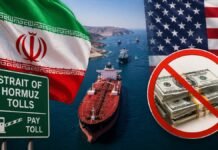
While diplomatic letters circulate, the U.S. Treasury is escalating its “Economic Fury” campaign. The Office of Foreign Assets Control (OFAC) recently issued a high-level alert, designated as FAQ 1249, specifically targeting Iran’s attempts to levy transit fees on vessels in the Strait of Hormuz.
The U.S. warning is unusually broad, stipulating that sanctions will be triggered by any payment method used to secure safe passage. This includes not only fiat currency and digital assets but also informal barter, offsets, and nominally “charitable donations” made to entities like the Iranian Red Crescent Society or Bonyad Mostazafan. This move is designed to reinforce the U.S. naval blockade that has been in place since April 13, effectively making the Strait a no-go zone for any company wishing to maintain access to the U.S. financial system.
Domestic Challenges to War Powers
The administration’s strategy is also facing scrutiny at home. As of May 2026, the conflict is approaching the 60-day mark since the commencement of “Operation Epic Fury,” the legal deadline under the War Powers Act for congressional authorization of hostilities.
While Defense Secretary Pete Hegseth has argued that the 60-day clock “pauses” during the current ceasefire, several Republican senators, including Rand Paul and Susan Collins, have challenged this interpretation. Despite these internal debates, Trump has maintained that military strikes remain “on the table” if Tehran misbehaves, signaling that the U.S. is prepared to resume active combat should the Pakistani-led mediation fail to produce a deal that meets Washington’s nuclear requirements.