


































Key Points
- Internal Skepticism: VP Vance is questioning the “Total Victory” narrative provided by the Department of Defense.
- Conflicting Reports: Secretary Pete Hegseth claims Iranian forces are decimated, while intelligence suggests their missile and naval strength remains significant.
- Stockpile Crisis: High-level concerns have emerged over the rapid exhaustion of critical munitions, including Tomahawk and THAAD interceptors.
- Strategic Risk: Critics warn that the drain on U.S. arsenals has left the military vulnerable in other theaters, particularly the Indo-Pacific.
- 2028 Ambitions: The friction between Vance and Hegseth is increasingly viewed through the lens of future political positioning within “Team Trump.”
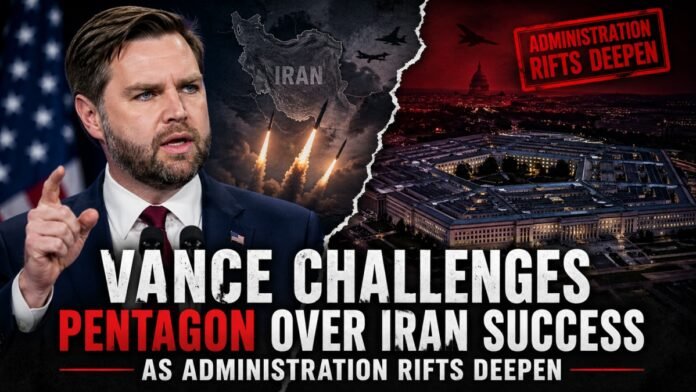
As the dust settles from “Operation Epic Fury,” the weeks-long military engagement with Iran, a significant internal divide is surfacing within the Donald Trump administration. At the heart of the dispute is Vice President J.D. Vance, who has expressed private skepticism regarding the briefings provided by the Pentagon and Secretary of Defense Pete Hegseth.
Reports indicate that Vance has approached President Trump directly to question whether the Department of Defense is providing an accurate picture of the war’s outcome. While the administration officially declared a “capital-V victory” following the April 7 ceasefire, Vance reportedly fears that military leaders are understating the strategic cost and overestimating the damage inflicted on Iranian infrastructure.
Discrepancy in Battlefield Assessments
Secretary Hegseth has remained a staunch defender of the military’s performance, claiming that Iran’s naval and air defense systems have been essentially wiped out. During a recent briefing, Hegseth asserted that Iran’s command and control is so decimated that they can no longer coordinate effective strikes.
However, assessments from independent strategic analysts and ground-level intelligence tell a more complex story. Evidence suggests that while Iran’s nuclear facilities and conventional air force suffered heavy losses, Tehran has preserved a formidable portion of its ballistic missile capabilities. Intelligence indicates that the Islamic Republic may still control nearly two-thirds of its air wings and over half of its missile launch platforms, allowing it to maintain a potent retaliatory threat despite the ceasefire.
The Growing “Stockpile Gap”
A primary driver of the Vice President’s skepticism is the state of America’s weapons inventory. Vance has raised pointed questions behind closed doors concerning the depletion of advanced munitions. Sources close to the administration suggest the U.S. has burned through critical reserves of Tomahawk cruise missiles and sophisticated interceptors like the THAAD and Patriot systems.
This drawdown has created a strategic vulnerability that extends far beyond the Middle East. Defense analysts warn that the current rate of consumption has left the U.S. poorly positioned to respond to potential contingencies in East Asia or Eastern Europe. Replacing these high-tech assets could take years due to manufacturing bottlenecks, a reality that Vance has reportedly urged the President to acknowledge before committing to further escalations.
Political Implications for 2028
The tension between Vance and Hegseth is not merely a matter of military strategy; it is also reshaping the internal dynamics of the administration. As prominent figures within the MAGA movement, both men are widely considered potential contenders for the 2028 presidential cycle.
Vance’s push for “strategic restraint” and his willingness to challenge the military establishment reflect a specific nationalist-populist strain within the party. Conversely, Hegseth’s more traditional “maximum pressure” rhetoric aligns with those seeking a more interventionist approach. This situation is impacting America’s military credibility on the international stage and signaling the start of a long-term struggle for the future direction of the Trump coalition.
As of late April, the White House continues to project a unified front in public, yet the “probing questions” from the Vice President’s office suggest that the debate over the Iran conflict is far from over.