


































Key Points
- Deepfake video shows Javed Akhtar wearing religious cap, falsely claims he “took refuge in God”
- Akhtar calls video “nonsense” on X, threatens cyber police complaint and legal action
- Video created using AI-generated image superimposed on real footage, shared 50,000+ times
- Bollywood fraternity and social media users rally behind Akhtar, call deepfakes “poison”
- Incident highlights growing threat of AI misinformation targeting public figures in India
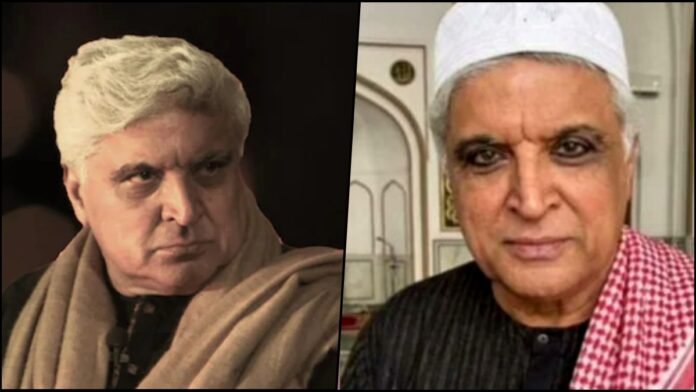
Renowned writer and lyricist Javed Akhtar is once again in the spotlight for his outspoken views, but this time the reason isn’t a statement he made, but a fake and deepfake video that went viral on social media. On the first day of the new year, a video of him spread rapidly across platforms, shocking many users. The video showed Javed Akhtar wearing a religious skullcap, and it was claimed that he had suddenly “taken refuge in God,” a dramatic shift for the famously atheist public intellectual.
Javed Akhtar has long been known as an outspoken atheist who has consistently criticized religious orthodoxy and superstition. Therefore, this alleged “change of heart” shown in the video surprised many of his followers and detractors alike. The video quickly became a subject of heated debate on social media, with some expressing skepticism while others celebrated what they believed was a genuine transformation.
However, Javed Akhtar quickly put an end to the speculation surrounding the video. He shared a post on his X (formerly Twitter) account at 3:47 PM on January 1, 2026, calling it completely fake and fabricated. Javed Akhtar clearly stated that the video was created using a computer-generated image of him superimposed on unrelated footage, with the clear intention of damaging his reputation and misleading the public about his fundamental beliefs.
Javed Akhtar’s anger erupted in his post, where he wrote, “A fake video is going viral, showing my computer-generated photo and claiming that I have taken refuge in God.” He further called it “nonsense” and said that he is seriously considering filing a complaint with the cyber police and taking legal action under sections of the IT Act and defamation laws against those responsible for this fake news. Javed Akhtar made it clear that such actions are an attempt to harm his reputation and credibility, and he will not let it go unchallenged.
Deepfakes are called dangerous by supporters and experts alike. Following Javed Akhtar’s statement, he received tremendous support on social media from fans, fellow artists, and digital rights activists. Many users described such deepfake videos as extremely dangerous for society and democracy. People wrote that such manipulation of someone’s identity and views has become a major tool for spreading misinformation and creating social discord.
One user wrote, “Deepfake videos are like poison. Thank you for exposing this.” Meanwhile, another person said, “Take legal action, you will have our full support. Misinformation is the biggest evil of our time.” Bollywood personalities, including Shabana Azmi, Farhan Akhtar, and Vidya Balan also shared Akhtar’s post, amplifying his message and condemning the misuse of AI technology.
This incident once again serves as a stark warning about how deepfake technology can damage the image and reputation of not only celebrities but also ordinary people. Javed Akhtar’s firm stance sets a strong example for speaking out against such incidents. The deepfake video was created using advanced AI tools that can generate realistic facial expressions and lip movements, making it increasingly difficult for average users to distinguish between real and fake content. Cybersecurity experts have confirmed that the video shows clear signs of AI manipulation, including unnatural eye movements and inconsistent lighting.
The Indian government has recently announced plans to regulate deepfake technology, and Akhtar’s case may accelerate these efforts. The Ministry of Electronics and Information Technology is expected to release new guidelines within weeks that would require social media platforms to remove deepfake content within 24 hours of a complaint. Javed Akhtar’s legal team is reportedly gathering evidence to identify the original creator of the video, which could lead to the first high-profile prosecution under these new regulations.