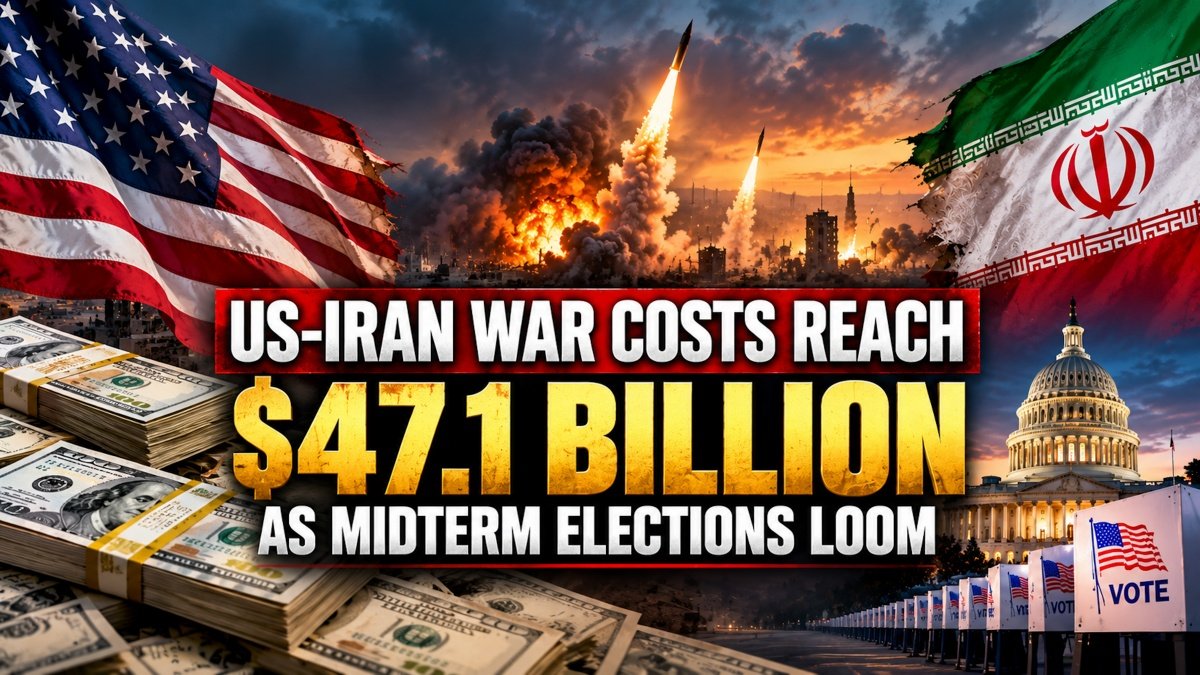
The US-Iran war has reached a cost of $47.1 billion, with rising expenses and military spending concerns ahead of the 2026 midterm elections.
Key Points
- War Cost: The US-Iran war has reached $47.1 billion in costs as of October 2026.
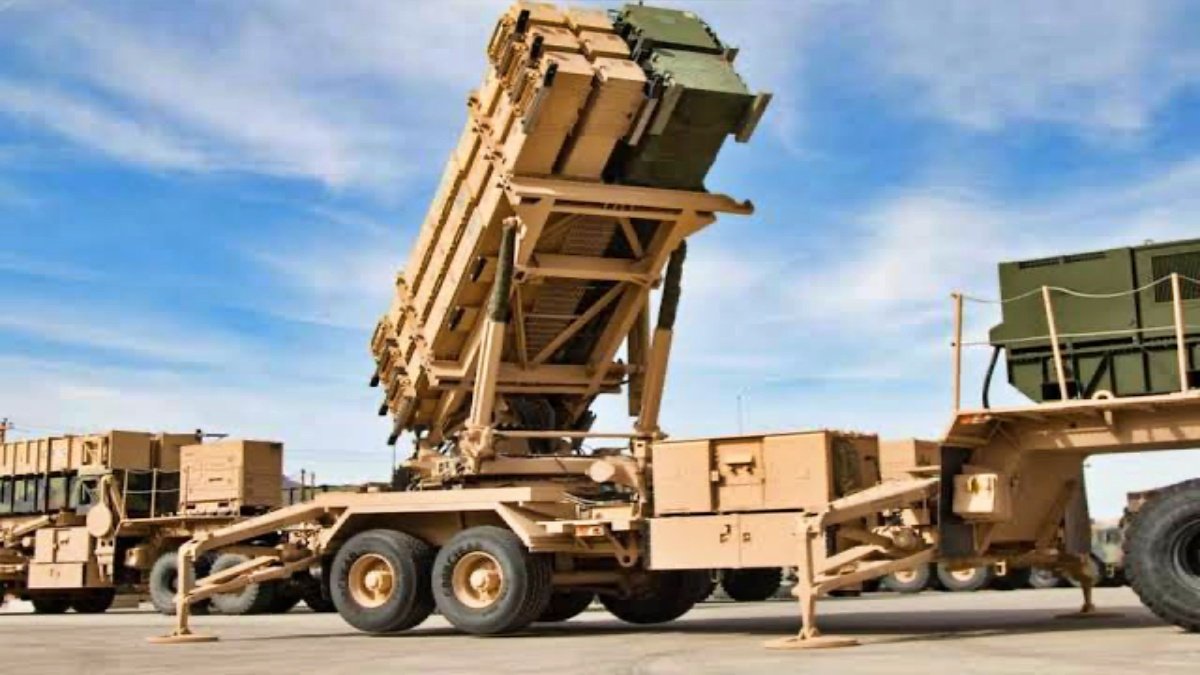
- Spending Breakdown: $2.9 billion has been spent on replenishing weapons like Patriot and THAAD missiles.
- Military Expenses: Total military operations cost $11.9 billion, with the Air Force accounting for $7.6 billion.
- Political Impact: Rising war costs could challenge Trump’s re-election prospects in the 2026 midterms.
- Casualties: 21 US military personnel have been killed and 865 injured in the conflict.
NEW DELHI: The financial burden of the US-Iran war has surged to $47.1 billion as of October 2026, according to Pentagon estimates provided to Congress. This figure represents a significant increase of $3.5 billion over just six weeks, raising concerns about the long-term economic impact on American taxpayers.
The United States and Israel launched a military operation against Iran at the end of February 2026, marking the beginning of what has since become a protracted conflict. The escalating costs have not only strained military budgets but also sparked debates over the war’s sustainability and its implications for domestic politics. With the 2026 midterm elections approaching, these financial pressures could influence voter behavior and party strategies.
Breakdown of Expenditures
The largest portion of the war costs has been allocated to replenishing weapons and ammunition, with approximately $2.9 billion spent on systems like the Patriot and THAAD missiles. These defense mechanisms are critical for protecting US military assets in the region but come at a steep price. The cost of a single Patriot interceptor, for example, can reach millions of dollars.
The Pentagon’s estimates also highlight the significant expenses related to military operations, which have reached $11.9 billion. This includes costs for deploying troops, maintaining bases, and conducting combat missions across the Middle East. Additionally, $6 billion has been allocated for repairs following damage to military equipment, underscoring the extensive infrastructure and logistical challenges faced by US forces.
Military Operations and Equipment Damage
The Pentagon estimates that $11.9 billion has been spent on military operations, with an additional $6 billion allocated to repairs from equipment damage. The Air Force has incurred the highest costs at $7.6 billion, followed by the Army with over $2 billion and the Navy with $1. 45 billion. These figures highlight the extensive military engagement and infrastructure damage sustained during the conflict.
The financial toll extends beyond direct combat operations. Damage to military facilities in countries like Kuwait, Bahrain, and Saudi Arabia has added further costs, with reports indicating hundreds of buildings affected by Iranian missile and drone attacks. The Pentagon’s inspector general noted that these damages have not been fully accounted for in the current war expenditure estimates, adding to the overall economic burden.
Political Challenges for Trump
President Donald Trump initially projected the military operation against Iran would be short-lived, but the escalating costs now pose a challenge for his political standing ahead of the 2026 midterm elections. The Republican Party faces potential difficulties as rising war expenses and energy price impacts could influence voter sentiment during these crucial elections.
Trump has not ruled out the possibility of another attack on Iran after the midterm elections, signaling a continued commitment to military action. However, this stance may face opposition from both domestic and international actors concerned about the war’s financial and human costs. The administration has also proposed a record military budget of $1.5 trillion, which includes an additional package of $9.5 billion for Iran-related war efforts and other priorities.
Public Sentiment and Legislative Efforts
A recent AP-NORC survey indicates that most American voters want Congress to prioritize ending the war. Democratic leaders have attempted to pass legislation to halt hostilities but have faced resistance in a Republican-controlled Congress. Senate Minority Leader Chuck Schumer criticized the administration for entering the conflict without a clear exit strategy, emphasizing the need to address the growing economic burden.
Despite these efforts, legislative action remains stalled. The Democratic Party’s push for an end to hostilities has not gained sufficient traction in the current political climate, leaving the conflict’s resolution uncertain. This situation underscores the complex interplay between military strategy, economic considerations, and political dynamics in shaping US foreign policy.
Casualties and Infrastructure Damage
According to Pentagon statistics, 21 US military personnel have been killed and 865 injured in the conflict. Some casualties are not directly combat-related, including deaths from Iranian attacks, fighter jet crashes, and drone incidents. Additionally, the cost of damage to US military facilities in the Middle East is not included in the current war expenditure estimates. A Pentagon report revealed that Iranian missile and drone attacks have damaged hundreds of buildings across multiple countries in the region.
The human toll of the conflict has been compounded by the financial strain on military resources. As the war continues, the United States must balance its commitment to regional security with the economic realities of prolonged military engagement. This balancing act will likely remain a central issue in domestic and international discussions as the situation evolves.